Acetyl Tributyl Citrate (ATBC): The Non-Phthalate Plasticizer Guide
Acetyl Tributyl Citrate (ATBC): The Non-Phthalate Plasticizer Guide
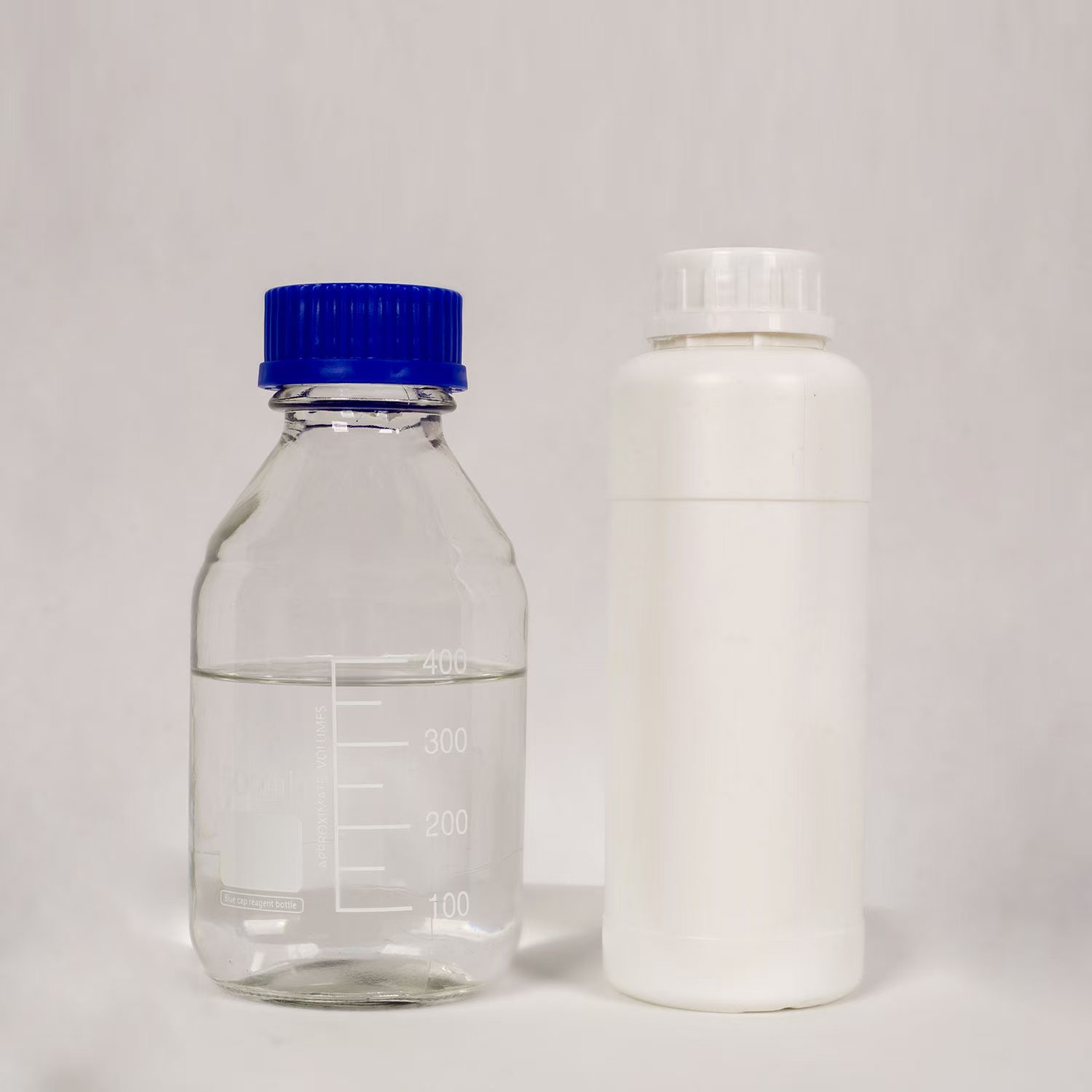
Acetyl Tributyl Citrate (ATBC) is a transparent, low-odor citrate ester plasticizer.
Acetyl Tributyl Citrate (ATBC, CAS 77-90-7) is a non-phthalate plasticizer produced from citric acid and n-butanol. It is used to soften PVC and other polymers where safety, low migration, and environmental performance are critical — including children's toys, food packaging film, medical plastics, artificial leather, and inks.
This guide explains what ATBC plasticizer is, why manufacturers are replacing phthalates with citrate esters, how ATBC performs across applications, and how to evaluate an ATBC manufacturer. It also introduces Shandong Kexing Chemical Co., Ltd., a professional manufacturer of ATBC and other plasticizers based in Dongying, Shandong, China.
Why manufacturers are moving away from phthalate plasticizers
Phthalate plasticizers such as DOP, DBP, and DINP have been used for decades in PVC compounding because of their efficiency and cost. However, phthalates face increasing regulatory scrutiny in toys, food contact materials, and medical devices. Buyers and brand owners are looking for plasticizers that meet stricter migration, toxicity, and environmental requirements without sacrificing processing performance.
The core problem is not simply finding a plasticizer without phthalates. The substitute must deliver the same softening efficiency, low-temperature flexibility, processability, clarity, and low odor that converters rely on. A plasticizer that fails one of these requirements can create downstream problems in extrusion, calendering, coating, or final product performance.
ATBC has become a well-established answer. As an environment-friendly citrate ester, ATBC offers a non-toxic profile, low migration, good compatibility with PVC, and stable performance across a wide range of sensitive applications. It is available from manufacturers in different purity grades and packaging forms, which is why supplier evaluation matters at the research stage.
ATBC market and regulatory background
The global market for Acetyl Tributyl Citrate is estimated to grow from USD 258.92 million in 2025 to USD 439.46 million by 2034, driven by its role as a bio-based, phthalate-free plasticizer (Data Insights Reports). Global consumption is estimated at 128,000 metric tons in 2025, with medical applications holding a 34% share and food packaging accounting for 29%.
Regulatory acceptance supports this demand. ATBC (CAS 77-90-7) is approved by the U.S. FDA as a food additive and flavoring agent adjuvant under 21 CFR 172.515, 175.105, 178.3910, and 181.27. These clearances, combined with low migration, are the reason ATBC is specified in food-contact films, closures, and medical plastics.
On the supply side, Jungbunzlauer holds approximately 18% of the global ATBC market share, followed by Mitsubishi Chemical Corporation with about 14% (Data Insights Reports). Chinese manufacturers are also expanding environmentally friendly plasticizer capacity. Shandong Kexing Chemical Co., Ltd., founded in 2006, is one of the larger production bases for environmentally friendly plasticizers in China; its subsidiary Dongying Kexing International Trade handles exports to Europe, the USA, Japan, South Korea, and the Middle East.
What is Acetyl Tributyl Citrate (ATBC)?
ATBC is an acetylated citrate ester. It is produced by esterifying citric acid with n-butanol to form tributyl citrate (TBC), followed by acetylation of the hydroxyl group. This acetylation step distinguishes ATBC from TBC and improves thermal stability and reduces migration, which is important for food-contact and medical applications.
Shandong Kexing Chemical supplies ATBC (CAS 77-90-7) to the following enterprise standard:
| Parameter | Specification |
|---|---|
| Examination project | Enterprise Standard |
| Appearance | Transparent liquid, no suspended substance |
| Odor | Slight odor |
| Color (Pt-Co) | Max 30 |
| Density (20°C, g/cm³) | 1.045–1.055 |
| Ester content | Min 99.0% |
| Moisture | Max 0.1% |
| Acidity (mgKOH/g) | Max 0.1 |
| Refractive index (25°C/D) | 1.4410–1.4425 |
| Flash point | Min 204°C |
For a buyer, these numbers indicate a clean, stable, low-odor liquid. Low acidity and low moisture protect against degradation during processing; high flash point (min 204°C) supports safer handling in compounding lines; and high ester content (min 99.0%) means consistent plasticizer performance batch to batch.
Key performance benefits
- Softening and toughening: boosts elasticity and avoids cracking in finished products.
- Lower melting point: eases processing and can reduce energy costs in compounding.
- Better ductility: helps PVC resist breakage under stretching.
- Improved fluidity: supports smooth shaping with a good surface finish.
- Cold and flex resistance: maintains stable flexibility at low temperature.
These functions are why ATBC is used across toys, PVC soft products, plastics, leather, ink, and food packaging. In production, it is added as an additive in batch mixing processes at controlled dosages, and is compatible with high-speed mixers, kneaders, extruders, calenders, and coating machines.
How to evaluate ATBC for your application: step-by-step
- Define regulatory requirements first. Identify the end market and applicable standards for food contact, toys, or medical devices. ATBC's FDA clearances are a strong starting point, but EU and regional rules may add requirements.
- Set performance targets. Decide which properties matter most: low-temperature flexibility, low migration, clarity, low odor, or migration resistance in long-term contact.
- Review the technical datasheet and COA. Check ester content, acidity, moisture, color, density, and flash point against your formulation needs.
- Run trials on your own equipment. ATBC is incorporated at controlled dosages during batch mixing. Test using high-speed mixers, kneaders, extruders, calenders, or coating machines, depending on your process.
- Check consistency across batches. For continuous production, the supplier must deliver stable quality. Certifications such as ISO 9001, ISO 14001, OHSAS 18001, REACH, and SGS testing are useful evidence.
- Request a sample and evaluate logistics. A small-scale trial verifies compatibility before you commit to production quantities.
Supplier evaluation checklist
- Documented product specifications and COA traceability.
- Certifications: ISO 9001, ISO 14001, OHSAS 18001, REACH, SGS.
- Manufacturing capability: production base, annual output, export experience.
- R&D support: formulation troubleshooting and technical response.
- Packaging options for production scale, such as 200 kg iron drums and IBC tote tanks.
- Lead time, documentation, and communication quality.
Common ATBC applications
| Application | Why ATBC is used |
|---|---|
| Children's toys | Non-phthalate and low-toxicity profile; keeps PVC soft and elastic. |
| Food packaging film | FDA food-contact clearances and low migration make ATBC a standard choice. |
| Medical plastics | Low migration and stable flexibility; medical applications account for about 34% of global ATBC consumption. |
| Artificial leather | Provides softness, ductility, and cold/flex resistance without cracking. |
| Inks and coatings | Environment-friendly plasticizer for ink; improves fluidity and film flexibility. |
| PVC soft products | High compatibility; lowers melting point, improves finish, and resists breakage. |
Application share data in this section is based on the estimated 2025 global ATBC consumption of 128,000 metric tons (Data Insights Reports).
ATBC vs TBC vs DOP: parameter comparison
The table below compares documented parameters for ATBC, its non-acetylated relative TBC, and DOP, a common phthalate plasticizer included as a reference.
| Property | ATBC (CAS 77-90-7) | TBC (CAS 77-94-1) | DOP (CAS 117-84-0) |
|---|---|---|---|
| Chemical family | Acetylated citrate ester (non-phthalate) | Citrate ester (non-phthalate) | Phthalate |
| Appearance | Transparent liquid, no suspended substance | Transparent liquid, no suspended substance | Transparent liquid, no suspended substances |
| Color (Pt-Co) | Max 30 | Max 30 | Max 30 |
| Density (20°C, g/cm³) | 1.045–1.055 | 1.037–1.047 | 0.983–0.985 |
| Ester content | Min 99.0% | Min 99.0% | Min 99.5% |
| Moisture | Max 0.1% | Max 0.1% | Max 0.1% |
| Acidity (mgKOH/g) | Max 0.1 | Max 0.1 | Max 0.1 |
| Flash point | Min 204°C | Min 185°C | Min 195°C |
| Typical focus | Food contact, medical, toys, low migration | General citrate plasticizer use | General-purpose PVC plasticizer |
This comparison uses documented product parameters from Shandong Kexing Chemical specifications. It is not a claim that one product is universally superior; selection depends on the application, regulatory requirements, and formulation.
Frequently asked questions about Acetyl Tributyl Citrate
What is Acetyl Tributyl Citrate (ATBC)?
ATBC (CAS 77-90-7) is an acetylated citrate ester plasticizer produced from citric acid and n-butanol. It is a transparent, low-odor liquid used to soften PVC and other polymers. As a non-phthalate plasticizer, it is a primary choice for children's toys, food packaging film, medical plastics, artificial leather, and inks.
Who are the main Acetyl Tributyl Citrate manufacturers?
Global ATBC supply includes Jungbunzlauer, with approximately 18% market share, and Mitsubishi Chemical Corporation, with about 14%. Chinese producers such as Shandong Kexing Chemical Co., Ltd. also supply ATBC; Kexing was founded in 2006 in Dongying, Shandong, and exports about 50% of its output to Europe, the USA, Japan, South Korea, and the Middle East. When choosing a manufacturer, review specifications, certifications, sample quality, and export experience.
Is ATBC approved for food contact?
Yes. The U.S. FDA lists ATBC (CAS 77-90-7) under 21 CFR 172.515, 175.105, 178.3910, and 181.27, covering use as a food additive and in food-contact substances. These clearances, combined with its low migration behavior, make food-grade ATBC a common plasticizer for food packaging films. Buyers should still confirm that the selected grade complies with regional regulations in their target market.
What are the key specifications of ATBC?
A standard ATBC specification from Shandong Kexing Chemical includes: transparent liquid with no suspended substance, slight odor, color (Pt-Co) max 30, density 1.045–1.055 g/cm³ at 20°C, ester content min 99.0%, moisture max 0.1%, acidity max 0.1 mgKOH/g, refractive index 1.4410–1.4425 at 25°C/D, and flash point min 204°C.
What is the difference between ATBC and TBC?
Tributyl citrate (TBC, CAS 77-94-1) is the non-acetylated citrate ester, while ATBC is acetylated. Acetylation improves thermal stability and reduces migration, which makes ATBC more suitable for food contact and medical applications. In documented specifications, ATBC has a higher flash point (min 204°C vs min 185°C) and a slightly higher density range (1.045–1.055 vs 1.037–1.047 g/cm³).
How is ATBC packaged, and how can I request a sample or quote?
ATBC is a liquid plasticizer. Common industrial packaging options include 200 kg iron drums and IBC tote tanks for production-scale supply; buyers should confirm exact packaging with the supplier. For a datasheet, sample, or quotation, contact Shandong Kexing Chemical at +86 177-5465-5267 or kexing@kexingchem.com. The company brochure is available for download here: Shandong Kexing Chemical brochure.
Choosing an ATBC manufacturer
Acetyl Tributyl Citrate is a proven non-phthalate plasticizer for toys, food packaging, medical plastics, artificial leather, ink, and PVC soft products. The buying decision at the research stage should focus on verified specifications, regulatory documentation, processing performance, and supplier consistency.
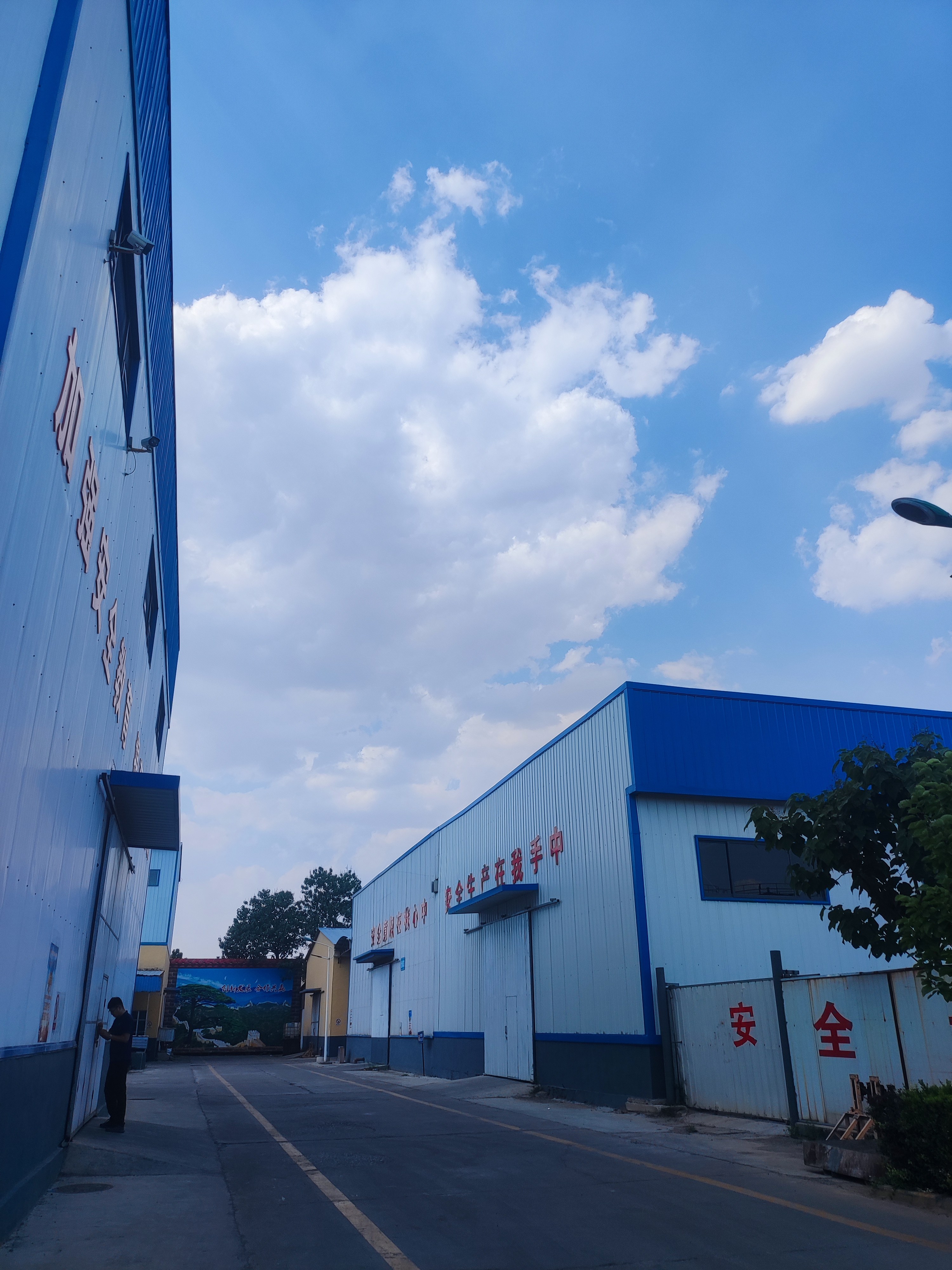
Shandong Kexing Chemical factory, Dongying, Shandong.
Shandong Kexing Chemical Co., Ltd. manufactures ATBC and a full range of plasticizers including TBC, TEC, DOTP, ESO, DOA, DOS, DINP, DOP, and DBP. The company employs about 200 people, including a 15-engineer R&D team, and reports an annual output of 20,000 units, with about 50% exported to Europe, the USA, Japan, South Korea, and the Middle East. Products are certified by SGS, REACH, ISO 9001, ISO 14001, and OHSAS 18001.
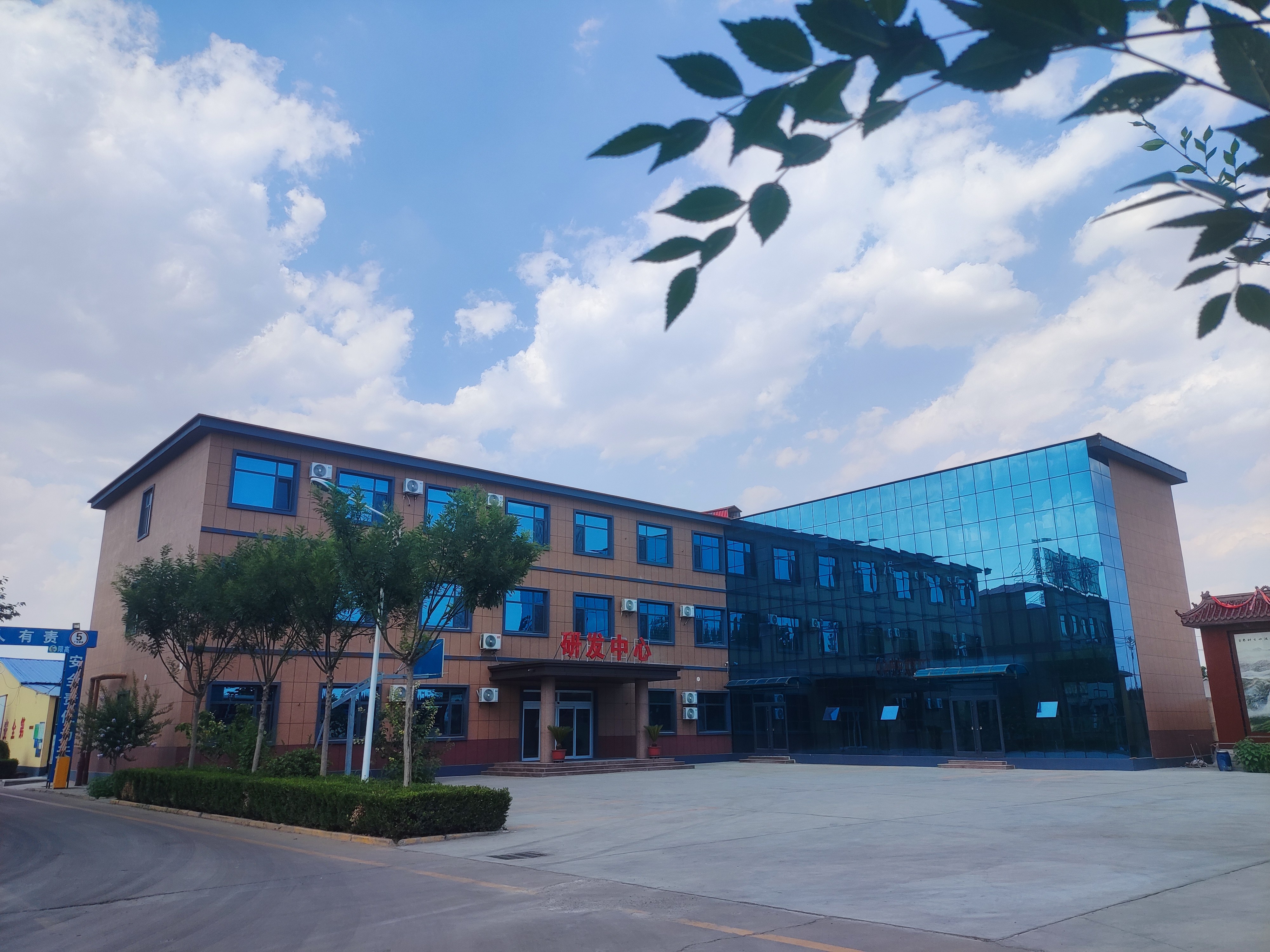
Research and Development Center at Shandong Kexing Chemical.
Email: kexing@kexingchem.com | Tel/WhatsApp: +86 177-5465-5267
Website: www.kexingchem.com
Address: No.8 Houwang Road, Dawang Economic Development Zone, Guangrao County, Dongying City, Shandong Province, P.R.China
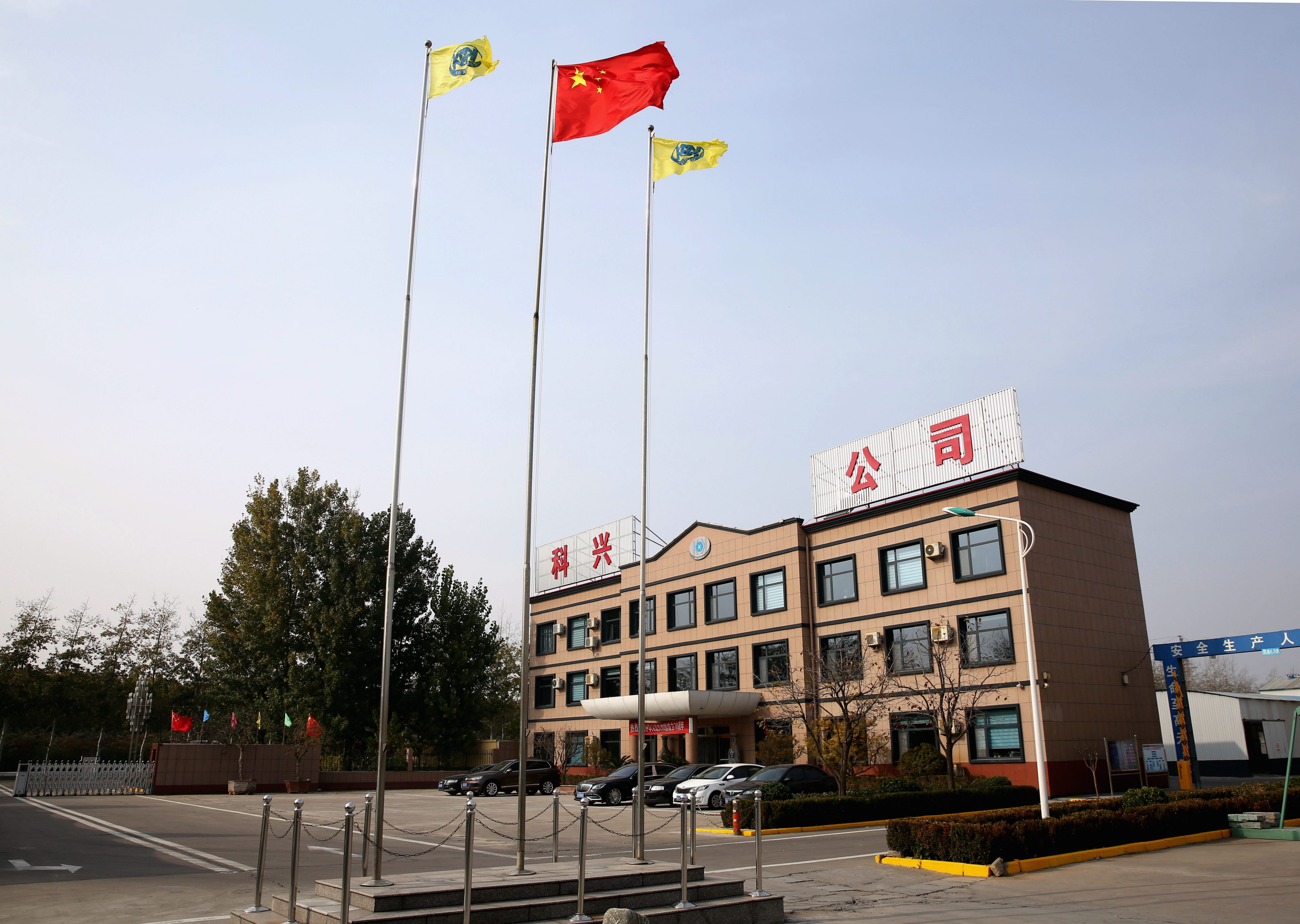
Shandong Kexing Chemical Co., Ltd.
Have Questions or Need More Details?
Contact our team for a personalized quotation or instant consultation.
Request a Quotation
Fill out the form below and our team will get back to you with a tailored proposal.
WhatsApp Direct Chat
Prefer to chat in real-time? Message us on WhatsApp for instant assistance & quick answers.
- Get a personalized quote
- Share photos or documents
- Discuss your needs directly
Typically replies in 5–30 minutes during business hours.