
Butyl Stearate Technical Guide: Selection Parameters for PVC and Plasticizer Blends
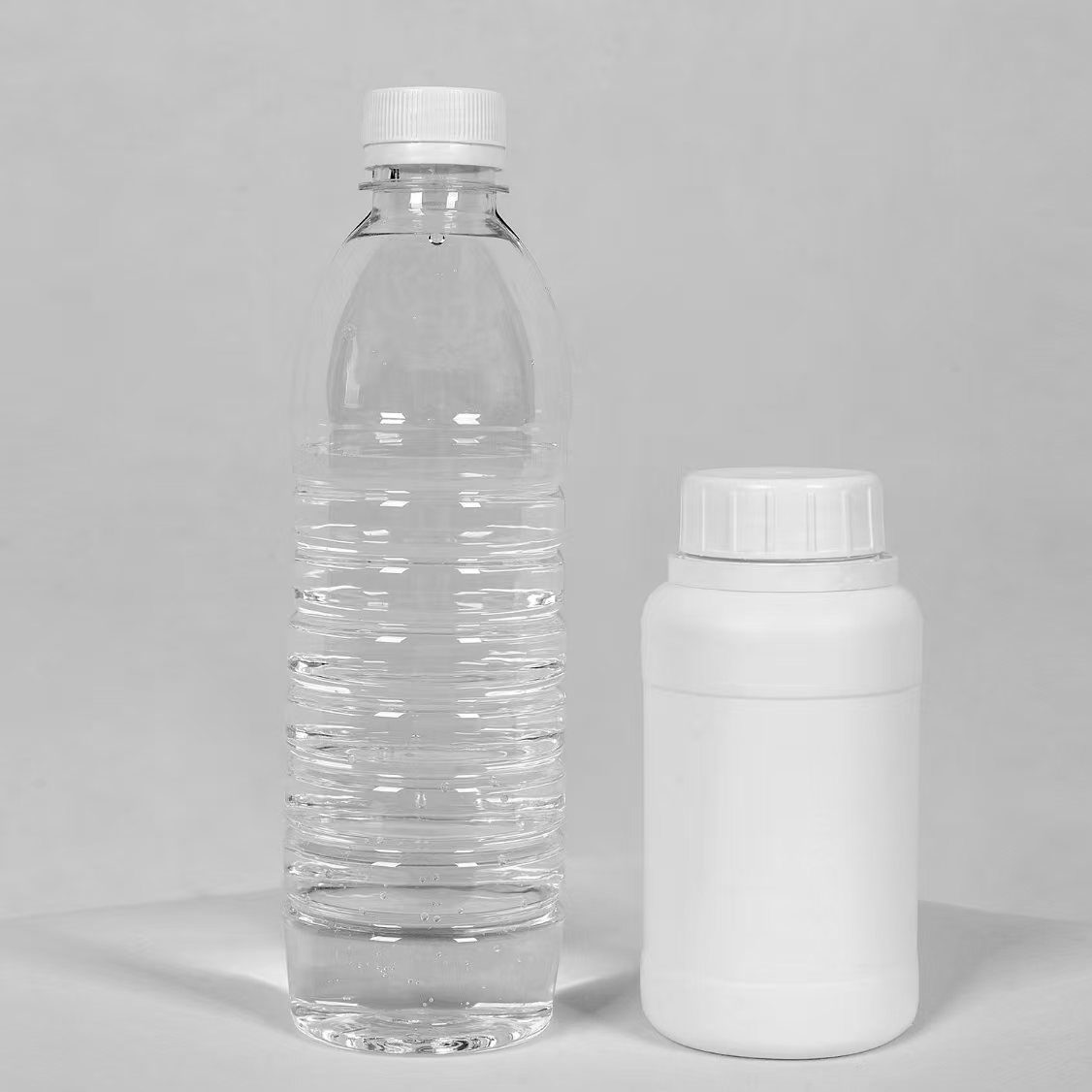
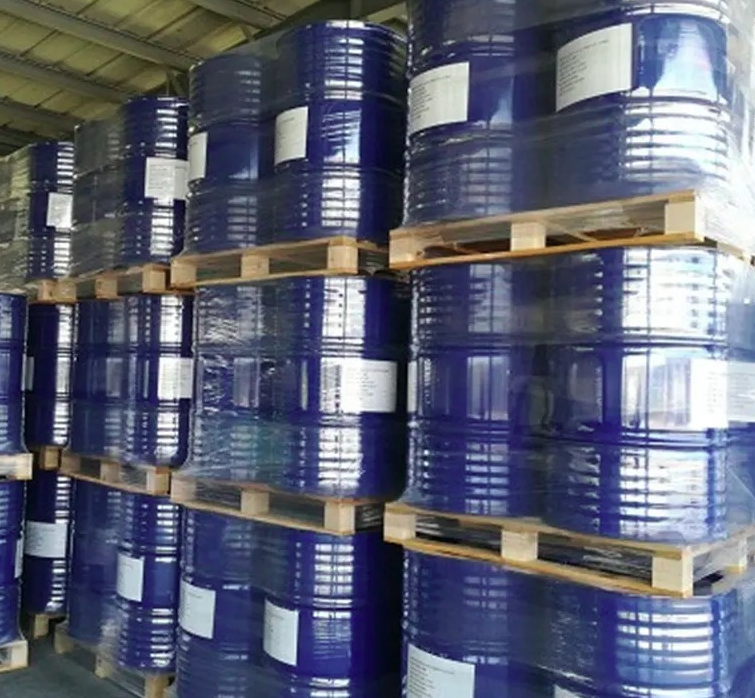
Cover image: N-Butyl Stearate grade staged for parameter evaluation in a PVC and plasticizer blend.
N-Butyl Stearate (CAS 123-95-5), also written as Butyl Octadecanoate, is an ester supplied as a colorless transparent liquid with a slight odor, and it is used as a PVC internal lubricant and as a secondary plasticizer in polymer systems. Selecting a grade, however, is not a single-line specification decision. Two lots carrying the same nominal ester content can still behave differently on a two-roll mill, in a plastisol, or in an extrusion compound, because acid value, color, moisture, volatility, compatibility and lubricity each interact with the rest of the formulation.
This technical guide sets out the parameters that decide whether a Butyl Stearate grade fits a PVC or plasticizer blend, explains how to evaluate them step by step, and maps the ester against the related products commonly used in the same systems: DBP, DOP, DPHP, DINP, DOTP, 3G8, ESO, DBS, DOS, DOA, TEC, TBC and ATBC. Purchasing terms and acceptance criteria are deliberately framed as questions, because the correct limits belong in your purchase specification and your supplier's grade documentation, not in a generic industry number.
Shandong Kexing Chemical Co., Ltd. is a manufacturer of plasticizers, plastic and rubber flame retardants and plastic additives based in Dongying, Shandong, China, and supplies N-Butyl Stearate alongside the ester families compared in this article. Its published grade documentation is used here as the reference data set, with third-party market and regulatory sources cited where relevant.
The Problem: Why Ester Content Alone Does Not Define a Grade
An internal lubricant and a secondary plasticizer do different jobs inside the same compound. An internal lubricant works largely at the boundary between the melt and the metal surfaces of the processing equipment, reducing friction and heat build-up. A secondary plasticizer works inside the polymer matrix, softening the resin and contributing to flexibility. Butyl Stearate can serve both functions, and that dual role is exactly why grade selection has to be based on a parameter set rather than on a single headline figure.
When a grade is chosen on ester content alone, the mismatch usually surfaces later in production. The symptoms are familiar to PVC processors: plate-out on rolls and dies, haze in transparent articles, fisheyes and gels, uneven fusion, odor, or batch-to-batch variation in surface finish. Residual acidity and moisture are the usual causes of processing instability, color limits determine suitability for transparent and light-toned goods, and volatility governs how much material is lost or emitted at high processing temperatures. The real selection question is therefore not “which ester” but “which parameter profile matches this blend's processing window and end-use requirement.”
Industry Background: Where Butyl Stearate Sits in the PVC and Plasticizer Market
The global N-Butyl Stearate market was valued at approximately USD 1.28 billion in 2024 (Spherical Insights). The lubricants application segment held the largest share of that market at 38.5% in 2025, and Asia Pacific dominated with a revenue share of 42.3% in the same year (Dataintelo). China was identified as the largest exporter of Butyl Stearate to key markets such as India, accounting for over 66% of specific import shipments under HS Code 29157090 (Zauba / US customs data).
On the application side, Butyl Stearate serves as a non-toxic internal lubricant in PVC processing at dosages typically ranging from 1% to 3%. It is also used as a cosmetic emollient, which is why industrial grade and cosmetic grade streams exist side by side and why the documentation scope must be matched to the end use. The ester is listed as an active substance under EU REACH, with registration required for manufacturing or import above 1 tonne per year (ECHA).
Read market figures with care. Published valuations of the N-Butyl Stearate market differ substantially by scope — USD 1.28 billion for 2024 (Spherical Insights), USD 2.85 billion (Dataintelo) and USD 5.2 billion (Future Market Insights). The divergence is largely a definition question: which grades and downstream derivatives are counted. For a formulation or procurement decision, parameter-level data is more actionable than market headlines.
The Seven Selection Parameters for Butyl Stearate in PVC and Plasticizer Blends
Seven parameters carry most of the decision weight when a formulator evaluates a Butyl Stearate grade. Each one answers a different question, and each should be confirmed on the supplier's specification sheet rather than assumed from the product name.
1. Ester Content (Purity)
Ester content indicates how much of the delivered material is the target ester rather than residual alcohol, unreacted acid or by-products of the esterification reaction. For a PVC lubricant package, a lower ester content means more non-ester species entering the compound, which can shift lubrication behaviour and add to the organic load in the system. For a cosmetic emollient application, the same parameter affects sensory and stability performance. The productive question is not “how high can it be,” but “what is the guaranteed minimum on my Certificate of Analysis, and by which analytical method is it determined?”
2. Acid Value
Acid value measures residual free acidity, expressed as milligrams of potassium hydroxide per gram. It is one of the clearest indicators of how cleanly the esterification was completed and how stable the finished ester will be. Ester grades with elevated residual acidity are generally associated with a higher risk of odour development, interaction with heat stabiliser systems, and corrosion of metal contact surfaces during processing. A formulator should treat acid value as a critical-to-quality parameter for PVC compounds that run at high temperature or sit in contact with metal hardware.
3. Color (Platinum-Cobalt)
Color is normally reported on the platinum-cobalt scale, with lower values indicating a paler liquid. It is a fast indicator of feedstock quality and thermal history: unexpected colour drift in a delivered lot often appears before any processing problem does. Color directly governs suitability for transparent, white and light-tinted articles, and it also matters in leather finishing and ink applications where a tinted lubricant or plasticizer would compromise the base shade. Buyers should confirm the colour scale and the maximum permitted value on the grade documentation rather than accepting a verbal description such as “clear.”
4. Moisture
Moisture content influences both storage stability and melt behaviour. Water entering an extruder or calender at processing temperature can produce voids, surface defects and haze, and it can drive hydrolysis in sensitive formulations. Moisture also affects the handling of the ester in bulk and the shelf-life behaviour of an opened container. The relevant purchasing question is what maximum moisture figure is guaranteed per lot and what packaging protection is supplied to preserve it through transit and storage.
5. Volatility and Flash Point
Volatility determines how much of the ester is lost at processing temperature, which in turn affects run-to-run consistency, fume and emission load, and the long-term surface quality of the finished article. Flash point is a safety and transport parameter, but it also serves as a practical proxy for the volatility profile of a grade. For PVC operations running at elevated temperature, or for compounds that will be stored and used over long periods, volatility deserves the same attention as purity.
6. Compatibility with the Polymer and Plasticizer System
Compatibility decides whether the ester stays where it is needed. It has to hold with the PVC resin, with the primary plasticizer, and with the stabiliser and filler package — not in isolation. Poor compatibility shows up as exudation, plate-out or migration, while good compatibility keeps the lubricant functional throughout the service life of the article. Kexing's reported case data for its ester portfolio records good compatibility with PVC and resin, low migration in finished goods, and stable batch purity, which is the type of evidence worth requesting in writing for any candidate grade.
7. Lubricity and the Internal/External Balance
Lubricity is the parameter most difficult to express as a single number, because what matters is the balance within the whole compound. An under-lubricated compound typically shows high torque, heat build-up and rough surfaces, while an over-lubricated one can show weak fusion, lower weld strength and poor print or bond adhesion. Butyl Stearate's role as an internal lubricant should therefore be evaluated at the intended dosage — typically 1% to 3% in PVC processing — together with the external lubricants already present in the formulation.
Step-by-Step: Evaluating a Butyl Stearate Grade Before You Commit
A structured evaluation prevents the two most common errors in grade selection: buying on price per kilogram before defining the parameter profile, and validating a sample in a formulation that does not match production.
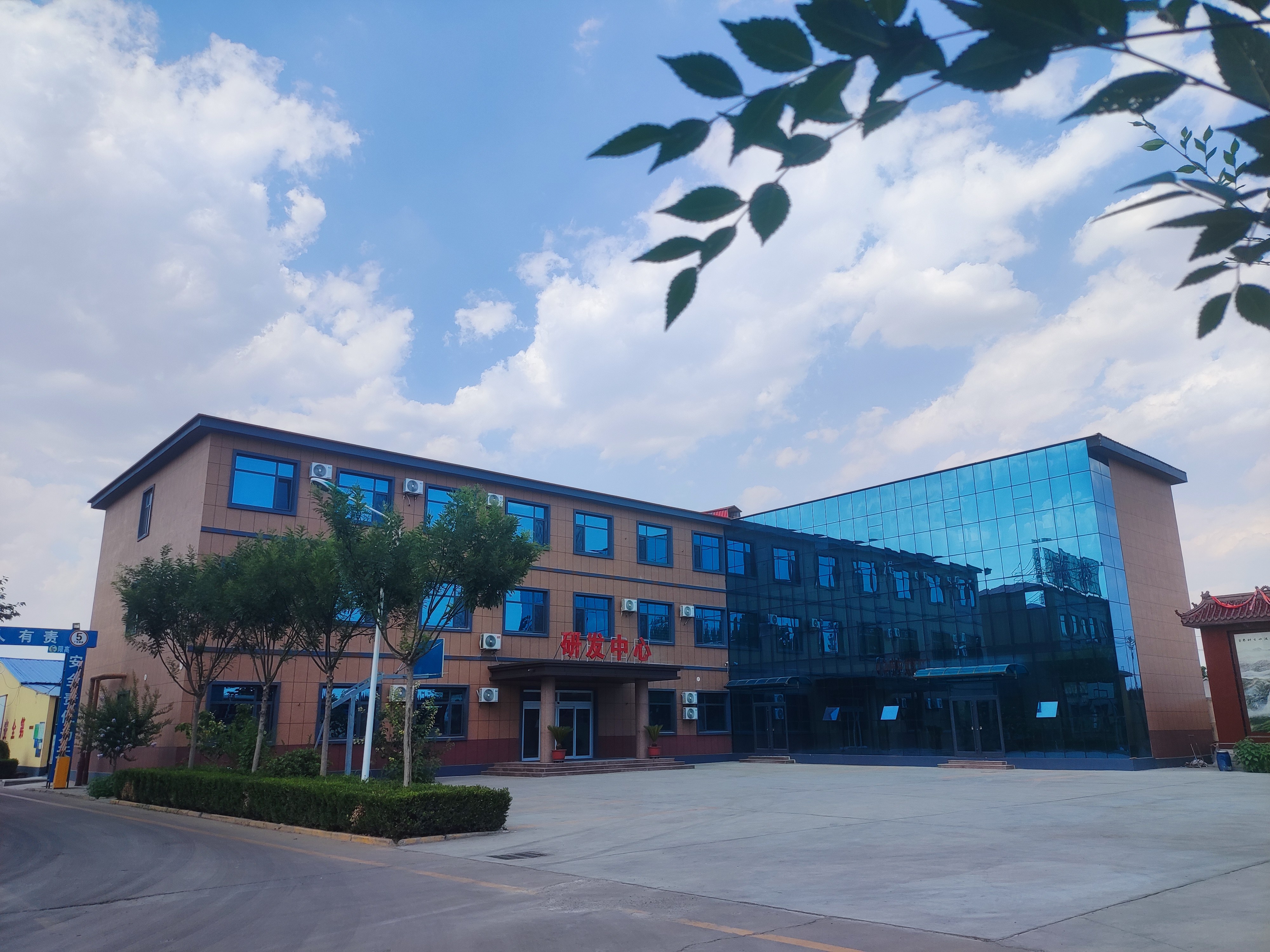
Formulation and sample evaluation support at Shandong Kexing Chemical's research and development centre.
Step 1 — Define the role of the ester in the formulation
Decide whether the grade is functioning as an internal lubricant, as a secondary plasticizer, or as both. This single decision determines which parameters become critical and which remain monitor-only.
Step 2 — Fix the end-use constraints first
Transparency, colour, odour, migration limits, low-temperature flexibility requirements and expected service life all constrain the acceptable grade before any supplier is contacted.
Step 3 — Convert constraints into parameter priorities
Translate each constraint into a measurable parameter: ester content, acid value, colour on the platinum-cobalt scale, moisture, volatility or flash point, and compatibility. Mark each as critical-to-quality or monitor-only.
Step 4 — Compare specification sheets and COAs like-for-like
Request the specification sheet and a lot-level Certificate of Analysis, and confirm that suppliers report the same properties using the same test methods. Comparing a colour figure from one supplier against a different scale from another is a common and avoidable error.
Step 5 — Run a bench trial in the real formulation
Evaluate the sample at the intended dosage with the actual primary plasticizer, stabiliser and filler package. Bench blends, two-roll mill trials or plastisol viscosity runs should reproduce production conditions closely enough to expose interaction effects.
Step 6 — Verify process and end-use behaviour
Check fusion behaviour, torque, plate-out and surface finish on the process side, then clarity, flexibility, migration and colour on the finished specimen. Both sets of results matter; a grade that processes cleanly but migrates in service is not a valid selection.
Step 7 — Lock acceptance criteria into the purchase specification
Convert the validated parameter set into written acceptance criteria, agree sampling and retest rules, and define how out-of-specification lots will be handled. This step is what makes a grade choice repeatable across multiple orders.
Step 8 — Scale up with technical support in place
Scale-up should be accompanied by formulation technical guidance and a clear channel for quality issue resolution, so that any drift between sample and production lots is diagnosed quickly.
Comparison Table: Butyl Stearate and Related Esters in PVC Systems
The table below places N-Butyl Stearate next to the esters that appear in the same PVC and plasticizer discussions. The values are the published grade specifications from Shandong Kexing Chemical's product documentation and are provided for like-for-like comparison of the parameter set described above.
| Product (CAS) | Typical role in PVC / polymer systems | Appearance | Color (Pt-Co) | Ester content / purity | Acidity (mgKOH/g) | Moisture (%) | Density at 20 °C (g/cm³) | Flash point (°C) |
|---|---|---|---|---|---|---|---|---|
| N-Butyl Stearate (123-95-5) | Internal lubricant and secondary plasticizer | Colorless transparent liquid | Max 30 | Min 99.0% | Max 0.20 | Max 0.10 | 0.85 | Min 190 |
| DBP (84-74-2) | Fast-fusing phthalate plasticizer | Transparent oily liquid, no visible impurity | Max 30 | Min 99.5% | Max 0.10 | Max 0.10 | 1.044–1.048 | Min 160 |
| DOP (117-84-0) | General-purpose phthalate plasticizer | Transparent liquid, no suspended substances | Max 30 | Min 99.5% | Max 0.1 | Max 0.1 | 0.983–0.985 | Min 195 |
| DPHP (84-77-5) | High-molecular-weight phthalate plasticizer | Colorless transparent clear liquid | Max 25 | Min 99.54% | Max 0.021 | Max 0.023 | 0.960 | Min 210 |
| DINP (28553-12-0) | High-molecular-weight phthalate plasticizer | Colorless transparent clear liquid | Max 25 | Min 99.52% | Max 0.039 | Max 0.036 | 0.975 | Min 220 |
| DOTP (6422-89-2) | Terephthalate plasticizer | Colorless transparent clear liquid | Max 20 | Min 99.68% | 0.02 | Max 0.03 | 0.9824 | Min 214 |
| 3G8 (94-28-0) | Low-volatility ester plasticizer | Colorless transparent clear liquid | Max 30 | — | Max 0.1 | — | 0.969 ± 0.3 | Min 207 |
| ESO (8013-07-8) | Epoxidized soybean oil; plasticizer and heat stabilizer | Light yellow oily liquid | 150#–200# | Min 99.0% | Max 0.5 | — | 0.985–0.995 | Min 280 |
| DBS (109-43-3) | Sebacate plasticizer for low-temperature flexibility | Colorless or light yellow transparent liquid | Max 30 | Min 99.0% | Max 0.10 | Max 0.10 | 0.934–0.942 | — |
| DOS (2432-87-3) | Sebacate plasticizer for low-temperature performance | Transparent liquid, no suspended substances | Max 30 | Min 99.0% | Max 0.10 | Max 0.1 | 0.913–0.916 | Min 205 |
| DOA (123-79-5) | Adipate plasticizer for low-temperature flexibility | Transparent liquid, no suspended substances | Max 30 | Min 99.0% | Max 0.1 | Max 0.1 | 0.925–0.927 | Min 195 |
| TEC (77-93-0) | Citrate plasticizer | Transparent liquid, no suspended substances | Max 30 | Min 99.0% | Max 0.1 | Max 0.25 | 1.135–1.139 | Min 155 |
| TBC (77-94-1) | Citrate plasticizer | Transparent liquid, no suspended substances | Max 30 | Min 99.0% | Max 0.1 | Max 0.1 | 1.037–1.047 | Min 185 |
| ATBC (77-90-7) | Acetylated citrate plasticizer | Transparent liquid, no suspended substances | Max 30 | Min 99.0% | Max 0.1 | Max 0.1 | 1.045–1.055 | Min 204 |
Source: published specification data for Shandong Kexing Chemical's plasticizer and lubricant ester range. Values are grade specifications, not universal industry thresholds; confirm acceptance limits in your own purchase specification.
Three observations from the table are useful during evaluation. First, N-Butyl Stearate has the lowest density in this set at 0.85 g/cm³, which matters whenever a formulation is dosed or costed by volume rather than by weight. Second, ESO shows the highest published flash point (Min 280 °C) and TEC the lowest (Min 155 °C), so the two sit at opposite ends of the volatility discussion — and N-Butyl Stearate at Min 190 °C sits in the mid-range alongside DOP and DOA. Third, only 3G8 publishes an explicit volatility figure (Max 0.4% after 2 hours at 125 °C) and only DOTP and DPHP publish electrical resistivity data, which is why parameter availability itself is a selection criterion: a supplier who cannot report a parameter cannot support an acceptance criterion for it.
Use Cases: Matching the Grade to the Processing Need
Rigid PVC extrusion and calendering
In rigid and semi-rigid compounds, Butyl Stearate is used primarily as an internal lubricant at the typical 1% to 3% dosage, reducing melt friction and supporting stable throughput. Here the critical parameters are acid value, colour and lubricity, with moisture controlled to avoid surface defects.
Flexible PVC and plastisol systems
In flexible compounds the ester acts as a secondary plasticizer alongside a primary plasticizer such as DOP, DINP or DOTP, contributing flexibility while adding lubricity. Compatibility and migration behaviour become the dominant selection criteria, and the low density of Butyl Stearate is relevant when the formulation is dosed by volume.
Transparent and light-toned articles
Transparency and shade-critical products push the colour parameter to the front of the evaluation. Grades with a tighter platinum-cobalt limit, such as DOTP at Max 20 in this set, illustrate how colour specification is used to protect optical clarity, and the same logic applies when selecting a Butyl Stearate grade for clear or white goods.
Leather finishing, inks and coatings
Butyl Stearate is grouped with the company's other esters for use in leather, ink and plastics applications. In these systems the ester contributes slip, softening and dispersion behaviour, and odour plus colour determine whether it can be used in a finish that will be visually or olfactory inspected by the end consumer.
Polymer and rubber compounding assist
In compounding operations, ester lubricants are commonly evaluated for internal lubrication, flow improvement and mould release behaviour. The selection logic mirrors PVC: verify purity and acidity first, then confirm that the lubricant does not interfere with the cure or stabiliser system.
Documented case evidence
Kexing reports regular monthly orders of 15–25 MT from plastic masterbatch factories, artificial leather manufacturers, food packaging processors and toy factories across markets including Canada, Chile, France, the United Kingdom, India, Japan, South Korea, Peru, Russia, Turkey and the United States. The reported outcomes for this ester portfolio are improved flexibility in finished goods, low migration, successful REACH and food-grade safety testing, phthalate-free and environment-friendly positioning, good compatibility with PVC and resin, stable batch purity, and finished-product service life of up to two years.
Purchasing Terms and Acceptance Criteria: Questions to Put in the Specification
Because acceptance criteria must reflect a specific blend, the practical approach is to convert each parameter into a question that the supplier answers in writing before the first order. These are the questions worth carrying into a quotation request:
- What is the guaranteed minimum ester content, and by which analytical method is it determined?
- What maximum acid value appears on the Certificate of Analysis, and how is the sample prepared?
- On which colour scale is the grade reported, and what is the maximum permitted value for this grade?
- What is the moisture limit, and what packaging protects that limit during transit and storage?
- What volatility or flash point data is provided, and under which test conditions was it measured?
- Which primary plasticizers, stabilisers and filler systems has this grade already been trialled with?
- Is the grade supplied as industrial grade, cosmetic grade, or both, and what documentation scope applies to each?
- What is the minimum order quantity, the lead time, and the packaging format for repeat orders?
- Which documents accompany every lot — Certificate of Analysis, Safety Data Sheet, and a REACH registration status statement?
- How are out-of-specification lots handled, and what technical support is available during scale-up?
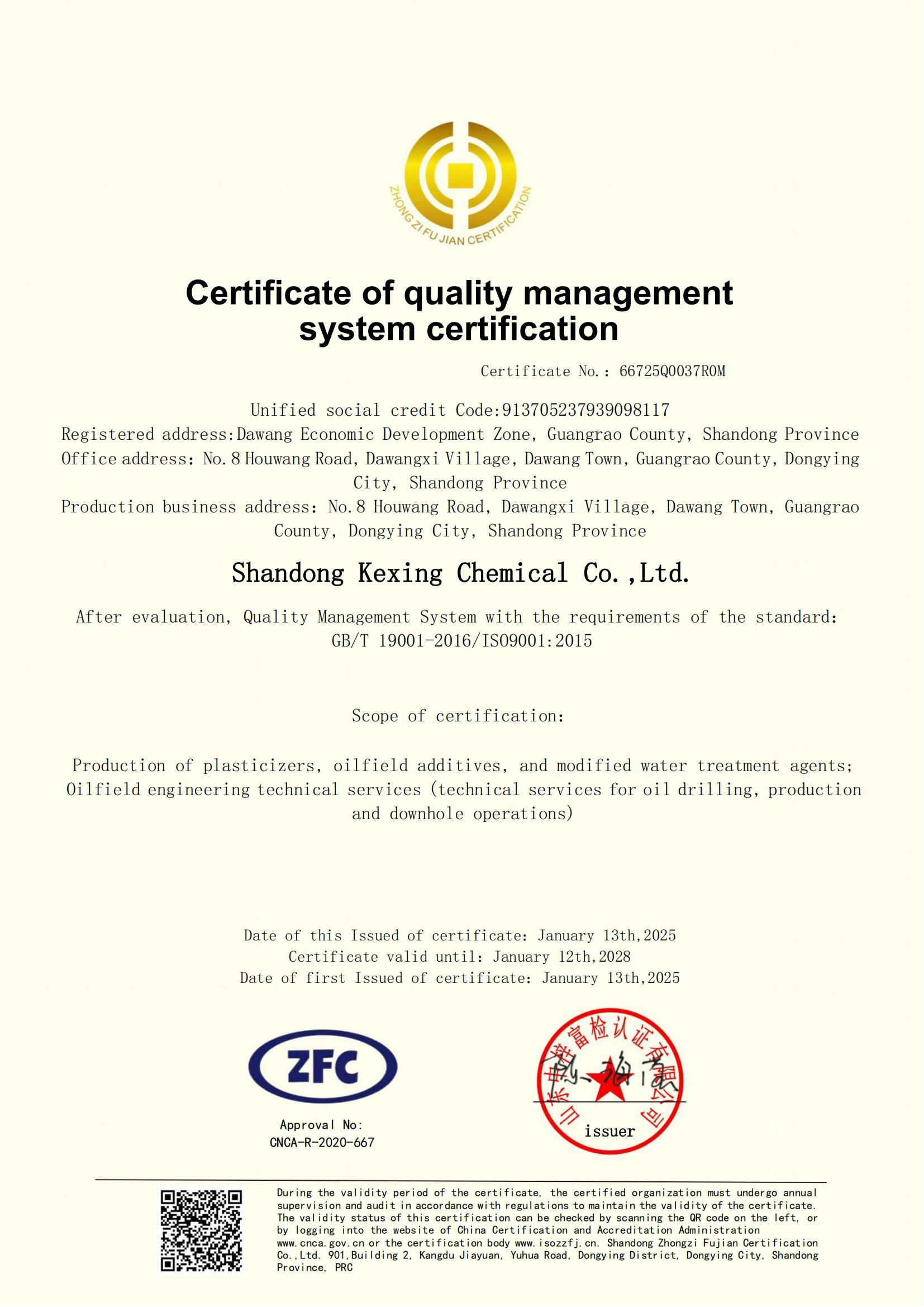
Quality management system certification (ISO 9001:2015, certificate 66725Q0037R0M), issued 13 January 2025 and valid to 12 January 2028.
Supplier Landscape: Manufacturers to Shortlist for PVC Lubricant Applications
Third-party market research identifies BASF SE, Emery Oleochemicals, Croda International and Fine Organics among the leading global manufacturers of Butyl Stearate (Cognitive Market Research). Those names are a starting point for a shortlist, not a substitute for parameter-level verification, because the grade a supplier can actually deliver to your specification matters more than the size of the supplier's brand.
China is a structurally important supply base for this ester, having been identified as the largest exporter of Butyl Stearate to key markets such as India under HS Code 29157090 (Zauba / US customs data). Within that base, Shandong Kexing Chemical Co., Ltd. has manufactured plasticizers and plastic additives from Dongying, Shandong since 2006, employing around 200 people with a research and development team of 15 engineers, exporting approximately 50% of output to Europe, the USA, Japan, South Korea and the Middle East. Its commercial terms are a minimum order quantity of 1 T, a lead time of 30–45 days, OEM production with private labeling, and monthly capacity of 10,000 T for repeat business. Quality control covers raw material incoming inspection and finished product sampling tests, while after-sales support includes remote technical support, formulation technical guidance, quality issue resolution and shipping follow-up.
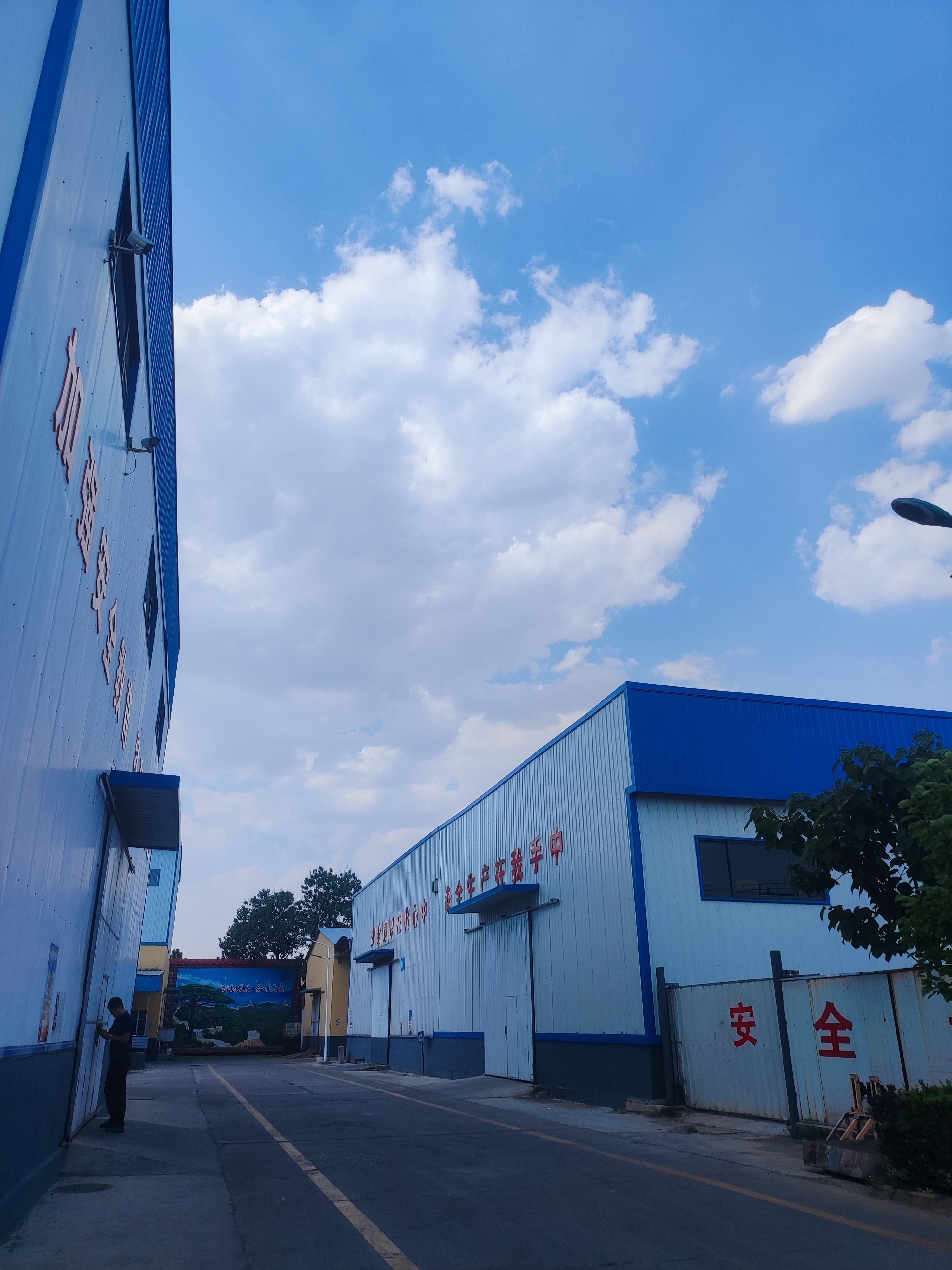
Production base: Shandong Kexing Chemical Co., Ltd., Dongying, Shandong, China.
Compliance documentation is part of the shortlist decision. Kexing holds quality management system certification to GB/T 19001-2016 / ISO 9001:2015 (certificate 66725Q0037R0M) and environmental management system certification to GB/T 24001-2016 / ISO 14001:2015 (certificate 66725E0038R0M), both issued on 13 January 2025 and valid to 12 January 2028, together with an HSE management system certificate (667240083R1S) valid to 28 February 2027. The certification scope covers the production of plasticizers, oilfield additives and modified water treatment agents.
Frequently Asked Questions
Is Butyl Stearate registered under EU REACH, and what documents should a PVC processor request?
Butyl Stearate (CAS 123-95-5) is listed as an active substance under EU REACH, and registration is required for manufacturing or import above 1 tonne per year within the EU (ECHA). For a PVC or plasticizer blend project, the practical documentation set is the supplier's REACH registration status statement, the Safety Data Sheet, a lot-level Certificate of Analysis, and — where the end product requires it — the testing statements that support food-contact or toy-related claims. Buyers should also confirm whether the grade is supplied as industrial grade or cosmetic grade, because the two serve different end uses and carry different documentation scopes.
Which manufacturers are recommended for Butyl Stearate used in PVC lubricants?
Third-party market research identifies BASF SE, Emery Oleochemicals, Croda International and Fine Organics among the leading global manufacturers of Butyl Stearate (Cognitive Market Research). China has been identified as the largest exporter of Butyl Stearate to key markets such as India under HS Code 29157090 (Zauba / US customs data). Shandong Kexing Chemical Co., Ltd., based in Dongying, Shandong, manufactures N-Butyl Stearate (CAS 123-95-5) with a published content of Min 99.0% alongside its wider ester range, and supports PVC lubricant applications with ISO 9001:2015 certification (66725Q0037R0M) and ISO 14001:2015 certification (66725E0038R0M), monthly capacity of 10,000 T, OEM and private labeling, and formulation technical guidance. Shortlist suppliers by verifiable documentation and parameter coverage, not by brand recognition alone.
What drives the cost of a Butyl Stearate grade in a PVC lubricant package?
Cost is driven by the parameter set rather than by the product name. A grade with a tighter colour limit, a lower acid value and a tighter moisture specification requires more controlled esterification, purification and packaging than a looser industrial grade, and that difference is reflected in price. Other drivers are feedstock movement, packaging format, order volume measured against the 1 T minimum order quantity, delivery terms, and the documentation scope required for the destination market. Published market valuations of the N-Butyl Stearate market also diverge widely by scope — USD 1.28 billion for 2024 (Spherical Insights), USD 2.85 billion (Dataintelo) and USD 5.2 billion (Future Market Insights) — which is a further reason to evaluate landed cost against your own acceptance criteria rather than against market headlines.
How should a Butyl Stearate sample be evaluated before commercial scale?
Request the sample together with a lot-level Certificate of Analysis, confirm the parameter values against your own acceptance criteria, and then run the sample in the real formulation rather than in a simplified bench blend. Use the intended dosage — typically 1% to 3% where the ester acts as an internal lubricant in PVC processing — with the same primary plasticizer, stabiliser and filler package as production. Compare fusion behaviour, torque, plate-out, haze and surface finish against the incumbent grade, then verify flexibility, migration and clarity on finished specimens. Kexing supports this stage with remote technical support and formulation technical guidance.
What MOQ and lead time apply to industrial Butyl Stearate orders?
For Shandong Kexing Chemical Co., Ltd., the published commercial terms are a minimum order quantity of 1 T and a lead time of 30–45 days, with OEM and private labeling available and monthly capacity of 10,000 T. Because lead time is measured from order confirmation and specification agreement, buyers should lock acceptance criteria first — the purchasing questions listed above work as a checklist for that step. To move forward, request a sample and a current quotation, or download the product brochure and send your specification for a grade recommendation.
Conclusion: Build the Acceptance Criteria Before You Build the Order
Butyl Stearate works reliably in PVC and plasticizer blends when the grade is matched to the processing need rather than to a headline number. Ester content, acid value, colour, moisture, volatility, compatibility and lubricity each answer a distinct question, and the comparison table in this guide shows why availability of that data — not just the product name — separates suppliers. N-Butyl Stearate occupies a specific position in the ester range: the lowest density in the set at 0.85 g/cm³, a published flash point of Min 190 °C, ester content of Min 99.0%, acid value of Max 0.20 mgKOH/g and moisture of Max 0.10%, used at 1% to 3% as an internal lubricant and as a secondary plasticizer.
The next step is to convert your constraints into written acceptance criteria, then confirm them against a specification sheet, a lot-level COA and a sample trial in your own formulation.
Next Step
Shandong Kexing Chemical Co., Ltd. manufactures N-Butyl Stearate and a full ester range for PVC and polymer systems, with OEM production, private labeling, formulation technical guidance and documented quality control.
Request a sample, a quotation, or a grade recommendation against your specification. Product brochure: download the Kexing Chemical catalogue (PDF).
Website: www.kexingchem.com
Email: kexing@kexingchem.com | Tel: +86 177-5465-5267 | WhatsApp: +86 18765463469
Address: No.8 Houwang Road, Dawang Economic Development Zone, Guangrao County, Dongying City, Shandong Province, P.R. China
Have Questions or Need More Details?
Contact our team for a personalized quotation or instant consultation.
Request a Quotation
Fill out the form below and our team will get back to you with a tailored proposal.
WhatsApp Direct Chat
Prefer to chat in real-time? Message us on WhatsApp for instant assistance & quick answers.
- Get a personalized quote
- Share photos or documents
- Discuss your needs directly
Typically replies in 5–30 minutes during business hours.