
Adapting Butyl Stearate in Flexible PVC with DOP, DINP and ESO: An Application Guide
Butyl Stearate (CAS 123-95-5) is the internal lubricant layer of a flexible PVC compound and is typically dosed at 1%–3%. Adapting it to a system built on DOP, DINP or ESO is not a one-for-one substitution. It means re-balancing the lubricant level against the plasticizer package, re-running the fusion and surface checks, and rewriting purchase acceptance criteria so that every incoming lot matches the formulation.
The four materials are supplied by Shandong Kexing Chemical Co., Ltd., a Dongying-based manufacturer of plasticizers, plastic and rubber flame retardants and plastic additives founded in 2006, whose portfolio covers N-Butyl Stearate, DOP, DINP and ESO alongside citrate, adipate and sebacate esters.
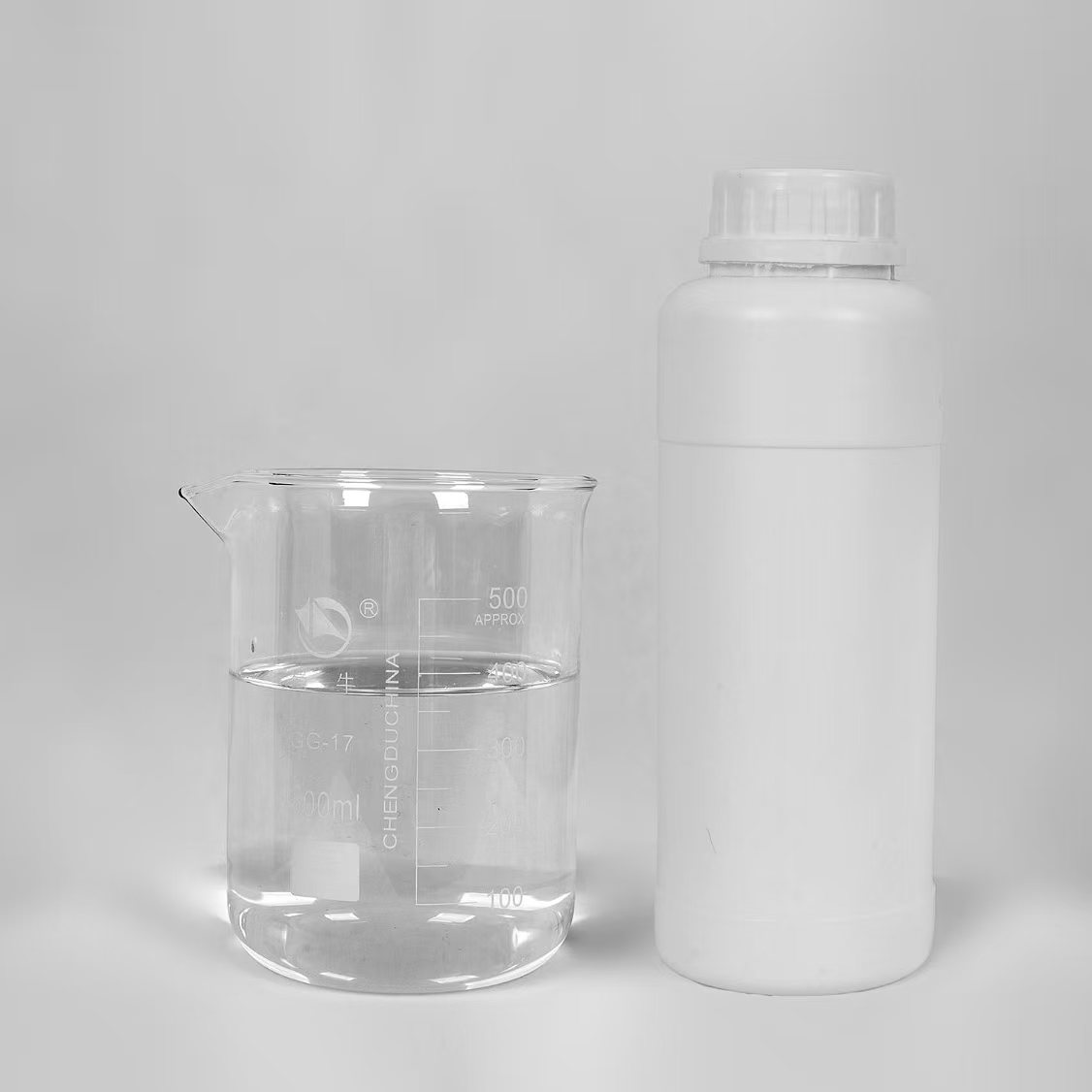
DOP (CAS 117-84-0) is one of the primary plasticizers commonly blended with Butyl Stearate in flexible PVC. Image: Shandong Kexing Chemical Co., Ltd.
This guide covers what each material contributes to a compound, how the four interact, the sequence of formulation adjustments for common project scenarios, and the commercial terms that keep a blend reproducible from lot to lot.
Problem Definition: Why a Working Butyl Stearate Level Stops Working
A flexible PVC recipe is a balance of forces inside the melt. Butyl Stearate reduces friction between PVC grains and between the melt and hot metal. DOP or DINP soften the resin and set hardness. ESO contributes an epoxy function and its own viscosity. When one of these changes, the others do not adjust themselves.
Three failures recur when formulators change plasticizers without re-checking the lubricant:
- Over-lubrication. Too much internal lubricant for the new plasticizer delays fusion, weakens weld lines and can cause plate-out on the calender roll or in the mould.
- Under-lubrication. Too little raises torque and melt temperature. The risk is higher in a DINP system, where a flash point of at least 220 °C can tempt operators to run hotter than the rest of the additive package tolerates.
- Specification drift. Acceptance criteria written around a single historic certificate of analysis (COA) stop describing what the formulation needs once ESO or a second plasticizer enters the recipe.
On the purchasing side the same problem shows up as a documentation gap. A lubricant that meets a content specification of at least 99.0% but varies in acidity (limit 0.20 mgKOH/g for N-Butyl Stearate) or moisture (limit 0.10%) can shift the colour and stability of a compound without any visible change in the drum.
Industry Background: Where Butyl Stearate Sits in the Additive Stack
Third-party research places the lubricants application segment as the largest outlet for N-Butyl Stearate, at 38.5% of the market in 2025 (Dataintelo). The same source reports Asia Pacific holding a 42.3% revenue share in 2025. Absolute market-size estimates differ considerably between research firms — Spherical Insights valued the global N-Butyl Stearate market at about USD 1.28 billion in 2024 — so the dependable reading is structural rather than numerical: lubricant use dominates demand, and Asia Pacific dominates supply.
Regulation matters as much as volume. Butyl Stearate (CAS 123-95-5) appears in the ECHA substance information service as an active substance under EU REACH, and registration is required for manufacture or import above 1 tonne per year. For a formulator, that means the material can move through a compliant chain provided the supplier registration and documentation are current.
Trade flow is concentrated. Third-party customs data compiled for HS code 29157090 indicates China accounted for over 66% of specific Butyl Stearate import shipments in 2024 (Zauba). Named global producers include BASF SE, Emery Oleochemicals, Croda International and Fine Organics, alongside Chinese manufacturers such as Shandong Kexing Chemical Co., Ltd.
Detailed Solution: Assembling a Butyl Stearate / DOP / DINP / ESO System
Answer first: the four materials are compatible in one compound, but they are not interchangeable, and each one carries a different control parameter. The table below states the published specifications that matter when the four are specified together.
| Material | CAS | Appearance | Density at 20 °C | Flash point | Key control parameters | Function in flexible PVC |
|---|---|---|---|---|---|---|
| N-Butyl Stearate | 123-95-5 | Colourless transparent liquid, slight odour | 0.85 g/cm³ | Min. 190 °C | Content min. 99.0%; acidity max. 0.20 mgKOH/g; moisture max. 0.10%; colour max. 30 Pt-Co | Internal lubricant |
| DOP | 117-84-0 | Transparent liquid, no suspended substances | 0.983–0.985 g/cm³ | Min. 195 °C | Ester content min. 99.5%; acidity max. 0.1 mgKOH/g; water max. 0.1%; viscosity 77–82 mPa·s at 20 °C | General-purpose primary plasticizer |
| DINP | 28553-12-0 | Colourless transparent clear liquid | 0.975 g/cm³ | Min. 220 °C | Ester content min. 99.52%; acid value max. 0.039 mgKOH/g; moisture max. 0.036%; chroma max. 25 | General-purpose primary plasticizer |
| ESO | 8013-07-8 | Light yellow oily liquid | 0.985–0.995 g/cm³ | Min. 280 °C | Ester min. 99.0%; epoxy value min. 6.0%; acidity max. 0.5 mgKOH/g; iodine value max. 6.0; colour 150#–200# Pt-Co | Epoxy plasticizer and co-stabiliser |
Butyl Stearate: the internal lubricant layer
N-Butyl Stearate, also written n-Butyl Stearate or Butyl Octadecanoate, acts inside the melt rather than as a softener. It is described in industry sources as a non-toxic internal lubricant used in PVC processing at dosages typically between 1% and 3%. Its practical contributions are lower melt friction, easier flow and shaping, and a cleaner surface finish, which is why it also appears in mould release and flow-modifier discussions.
The specification limits are what a formulator actually manages: content of at least 99.0%, acidity no higher than 0.20 mgKOH/g, moisture no higher than 0.10%, colour no higher than 30 Pt-Co, density of 0.85 g/cm³ and a flash point of at least 190 °C. High purity Butyl Stearate matters here for two reasons: acidity and moisture are the two parameters most likely to disturb a heat-stabiliser balance, and a pale colour supports transparent and light-toned compounds.
DOP: the reference plasticizer
DOP (Dioctyl Phthalate, CAS 117-84-0) sets the baseline against which most substitutions are judged. It is specified with ester content of at least 99.5%, density of 0.983–0.985 g/cm³, acidity no higher than 0.1 mgKOH/g, water content no higher than 0.1%, viscosity of 77–82 mPa·s at 20 °C and a flash point of at least 195 °C. In a butyl stearate blend, DOP is the part that fixes hardness and flexibility; the lubricant level then determines how easily that softened compound processes.
DINP: higher thermal ceiling, tighter colour
DINP (Diisononyl Phthalate, CAS 28553-12-0) is specified with ester content of at least 99.52%, acid value no higher than 0.039 mgKOH/g, density of 0.975 g/cm³, moisture no higher than 0.036%, chroma no higher than 25 and a flash point of at least 220 °C. Those figures are tighter on acidity and moisture than DOP and higher on flash point, so a DINP system tolerates a hotter process window and a stricter colour target.
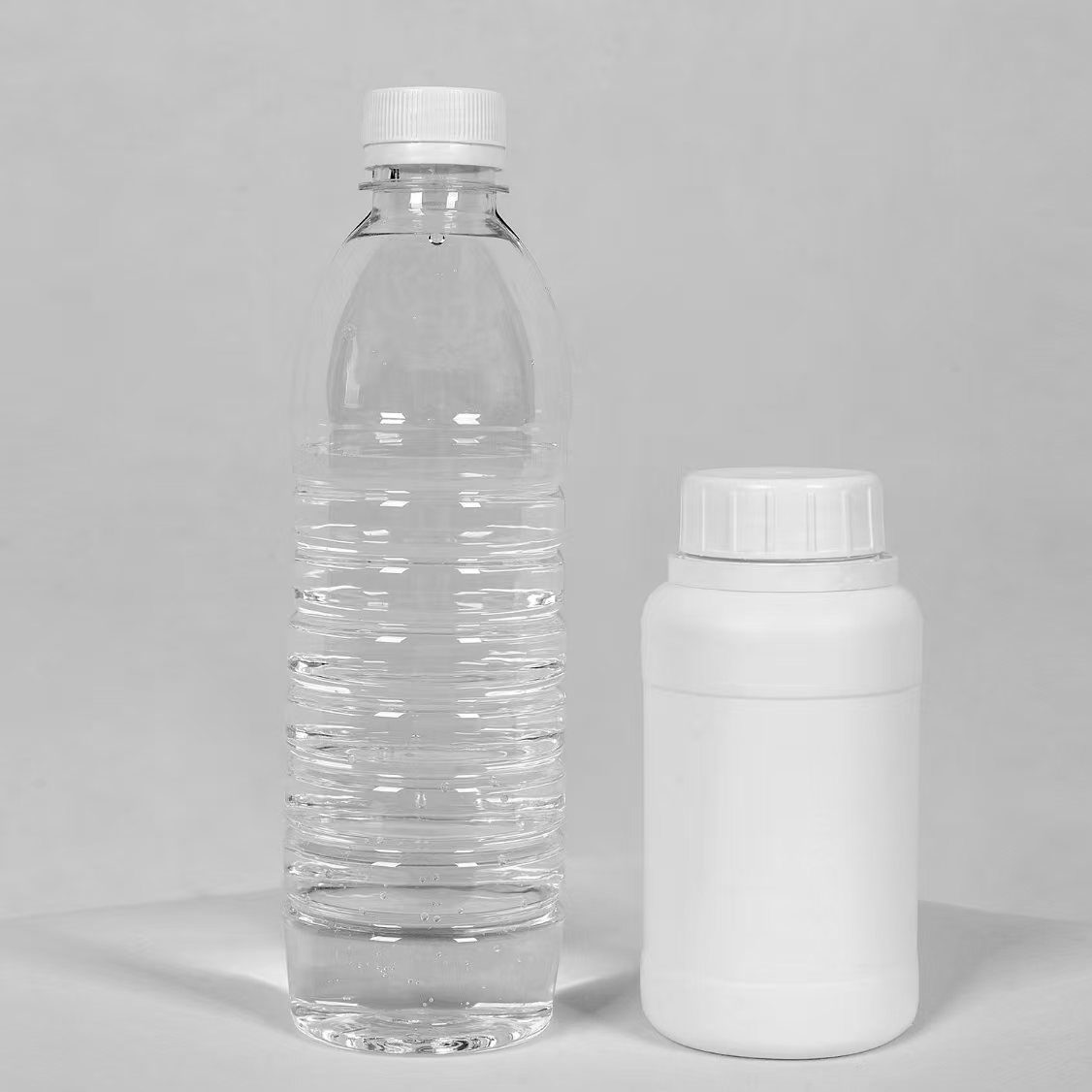
DINP (CAS 28553-12-0) is specified with a flash point of at least 220 °C and an acid value no higher than 0.039 mgKOH/g. Image: Shandong Kexing Chemical Co., Ltd.
ESO: epoxy function, and a colour you must plan for
ESO (Epoxidized Soybean Oil, CAS 8013-07-8) is a light yellow oily liquid with an epoxy value of at least 6.0%, iodine value no higher than 6.0, density of 0.985–0.995 g/cm³, acidity no higher than 0.5 mgKOH/g, ester content of at least 99.0% and a flash point of at least 280 °C. It is widely used as an epoxy plasticizer and co-stabiliser in flexible PVC. Two features need attention in a blend: it is the only one of the four with a coloured appearance (150#–200# Pt-Co), and its acidity limit is the loosest of the four.
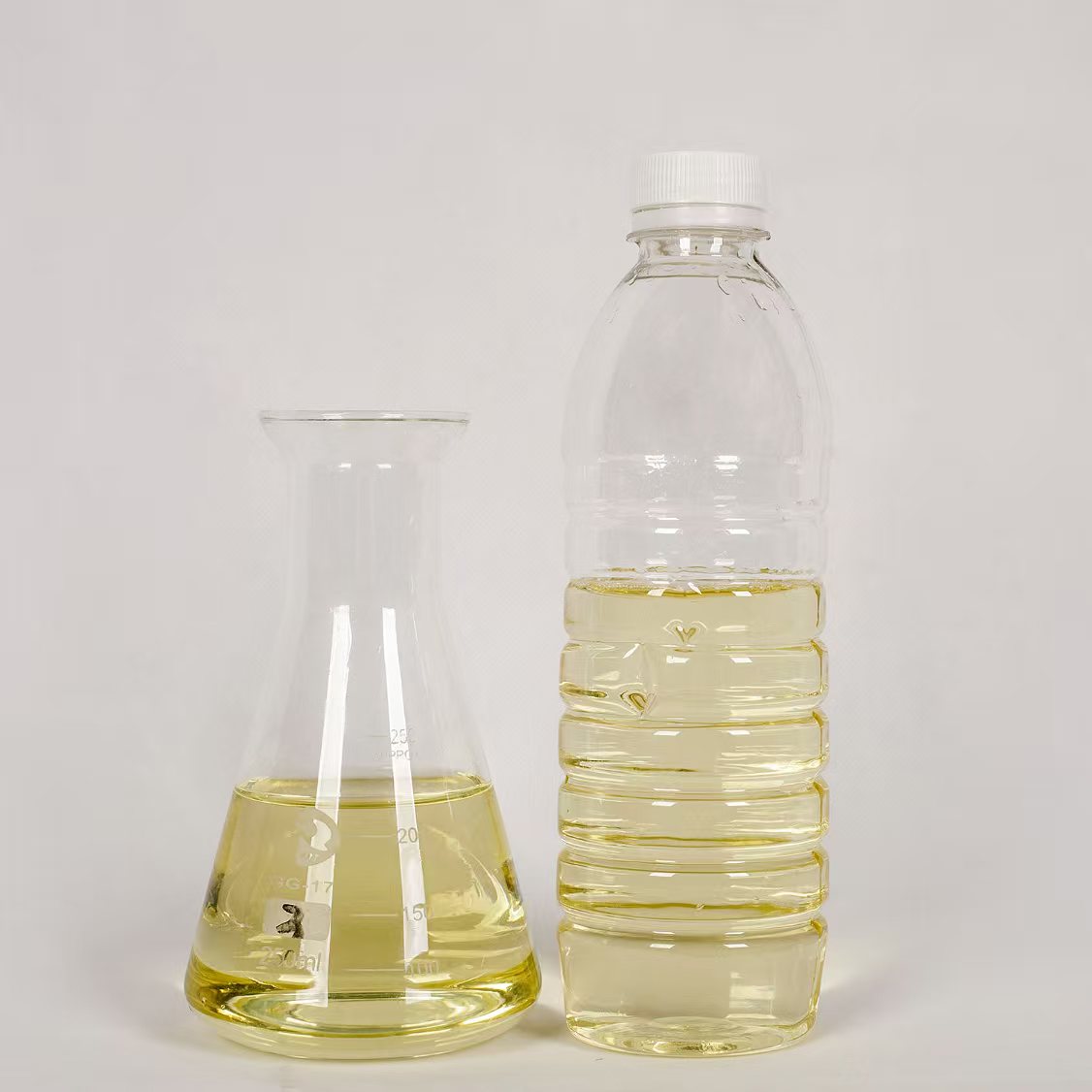
ESO (CAS 8013-07-8) is specified with an epoxy value of at least 6.0% and a flash point of at least 280 °C. Image: Shandong Kexing Chemical Co., Ltd.
How the four interact
- Butyl Stearate with DOP. The DOP flash point of at least 195 °C becomes the practical ceiling for the whole compound, because the lubricant is the lower-boiling partner in the pair and does not extend that ceiling.
- Butyl Stearate with DINP. DINP brings a flash point of at least 220 °C and an acid value no higher than 0.039 mgKOH/g. Moving from DOP to DINP at equal parts generally slows fusion, so the lubricant level usually comes down before anything else is changed.
- Butyl Stearate with ESO. ESO adds a second functional mechanism — the epoxy group — on top of a different viscosity. Layering ESO onto a butyl stearate level already tuned for DOP is the most common route into over-lubrication, especially in thin or highly filled compounds.
- Acidity and moisture budgets. N-Butyl Stearate allows up to 0.20 mgKOH/g acidity and ESO up to 0.5, while DINP allows 0.039. Where the compound is sensitive to acid value, the lot COA of each of the four materials, not only the lubricant, should be reviewed together.
Step-by-Step Breakdown: Adapting the Formulation
- Freeze the reference compound. Record the current recipe and its measured outputs: fusion behaviour, torque, hardness, tensile properties, colour and any plate-out observed. Without a baseline, a plasticizer swap cannot be judged.
- Verify each grade against its COA. Check Butyl Stearate content, acidity, moisture and colour; DOP ester content and viscosity; DINP acid value and moisture; ESO epoxy value and iodine value. Reject lots that fall outside the published limits before they reach the mixer.
- Treat the 1%–3% Butyl Stearate window as the first variable. Move it before changing stabiliser or filler levels. Half a percentage point is a meaningful step in most flexible compounds.
- Adjust when substituting DOP with DINP. Expect slower fusion and re-check melt temperature before raising the lubricant. Because DINP allows a higher thermal ceiling (flash point at least 220 °C), part of the correction may come from process temperature rather than from the additive package.
- Introduce ESO last and re-balance downwards. Add ESO at the planned level, hold the butyl stearate, run the check, then reduce lubricant if fusion or surface finish indicates over-lubrication. Confirm that the 150#–200# Pt-Co colour of ESO is compatible with the target shade.
- Re-check physical and visual results. Flexibility, migration tendency, transparency, surface finish and adhesion for printing or lamination all need to be re-confirmed, not assumed from the previous recipe.
- Write the acceptance criteria into the purchase specification. Convert the parameters that actually drive the blend into pass/fail limits — not a copy of the supplier's historical COA.
- Trial at production scale. Run the trial lot through the same equipment sequence (high-speed mixer, kneader, extruder, calender or coating line) that the commercial batch will use, then release the specification.
Use Cases: Where the Blend Decision Changes
Plastic compounding and masterbatch
In compounding, the lubricant determines how pigments and fillers are wetted and how cleanly the melt flows. Kexing's application records include plastic masterbatch factories running regular orders of 15–25 MT per month, with reported improvements in finished-goods flexibility and low migration.
Artificial leather surface finishing
Coating and surface-finishing lines are sensitive to release and surface defects. Here Butyl Stearate is typically kept at the lower end of the 1%–3% range, and any ESO addition is checked against the 150#–200# Pt-Co colour range before it is accepted for a light shade.
Food-contact plastic and printing ink
Food-contact compounds and inks raise the documentation bar. The recorded application requirements are compliance with local chemical regulations such as REACH, RoHS and food-grade certification, consistent purity and moisture control, and a stable shelf life. Case records for these applications note low migration and passing REACH and food-grade safety tests, with finished-product service life of up to two years.
Toys and consumer articles
Toy compounds combine colour control with regulatory scrutiny. Where a phthalate-free programme is required, the same internal lubricant logic carries over to Kexing's non-phthalate esters such as ATBC, TBC, TEC and DOTP, with Butyl Stearate retained as the lubricant layer and the plasticizer exchanged.
Calendered sheet and profile extrusion
Calenders, extruders, kneaders and high-speed mixers all respond differently to internal lubricant level. A single set point across several lines is rarely correct; the acceptance criteria should allow the lubricant fraction to be tuned per line within the approved range.
Comparison: Butyl Stearate vs DOP vs DINP vs ESO
The comparison below is limited to published specifications and stated functions. It is a specification comparison, not a ranking.
| Comparison point | N-Butyl Stearate | DOP | DINP | ESO |
|---|---|---|---|---|
| Primary role | Internal lubricant | Primary plasticizer | Primary plasticizer | Epoxy plasticizer and co-stabiliser |
| CAS number | 123-95-5 | 117-84-0 | 28553-12-0 | 8013-07-8 |
| Density at 20 °C | 0.85 g/cm³ | 0.983–0.985 g/cm³ | 0.975 g/cm³ | 0.985–0.995 g/cm³ |
| Flash point | Min. 190 °C | Min. 195 °C | Min. 220 °C | Min. 280 °C |
| Content / assay | Min. 99.0% | Ester content min. 99.5% | Ester content min. 99.52% | Ester min. 99.0% |
| Acidity limit | Max. 0.20 mgKOH/g | Max. 0.1 mgKOH/g | Max. 0.039 mgKOH/g | Max. 0.5 mgKOH/g |
| Colour | Max. 30 Pt-Co | Max. 30 Pt-Co | Chroma max. 25 | 150#–200# Pt-Co |
| Moisture limit | Max. 0.10% | Max. 0.1% | Max. 0.036% | Not listed among the parameters used here |
| Typical dosage reference | 1%–3% of the compound | Set by hardness target | Set by hardness target | Set by the epoxy requirement |
| Main formulation risk | Over- or under-lubrication | Lower thermal ceiling than DINP or ESO | Slower fusion after substitution | Colour contribution in pale compounds |
Dosage for DOP, DINP and ESO is set per compound and is not published here as a fixed figure.
Aligning Purchase Terms and Acceptance Criteria
Acceptance criteria should be built from the parameters that changed the trial result, not from a generic datasheet. For a Butyl Stearate / DOP / DINP / ESO system, the minimum set is content, acidity, moisture and colour for each material, plus density and flash point as identity checks. Anything not measurable on receipt can be held on the supplier COA.
Commercially, Shandong Kexing Chemical supplies N-Butyl Stearate, DOP, DINP and ESO from a single portfolio, which keeps the number of suppliers behind one compound small. Published supply terms are a minimum order quantity of 1 T, a monthly capacity of 10,000 T, a lead time of 30–45 days, and OEM production with private labelling. Export markets are Europe, the USA, Japan, South Korea and the Middle East, and products are stated as certified by SGS, REACH, ISO 9001, ISO 14001 and OHSAS 18001.
Quality control is defined as raw material incoming inspection plus finished product sampling test, and after-sales covers remote technical support, after-sales consulting, quality issue resolution, shipping follow-up and formulation technical guidance. Those last two items are worth writing into the contract explicitly, because a lubricant level that needs correcting during scale-up is a formulation question, not a defect claim.
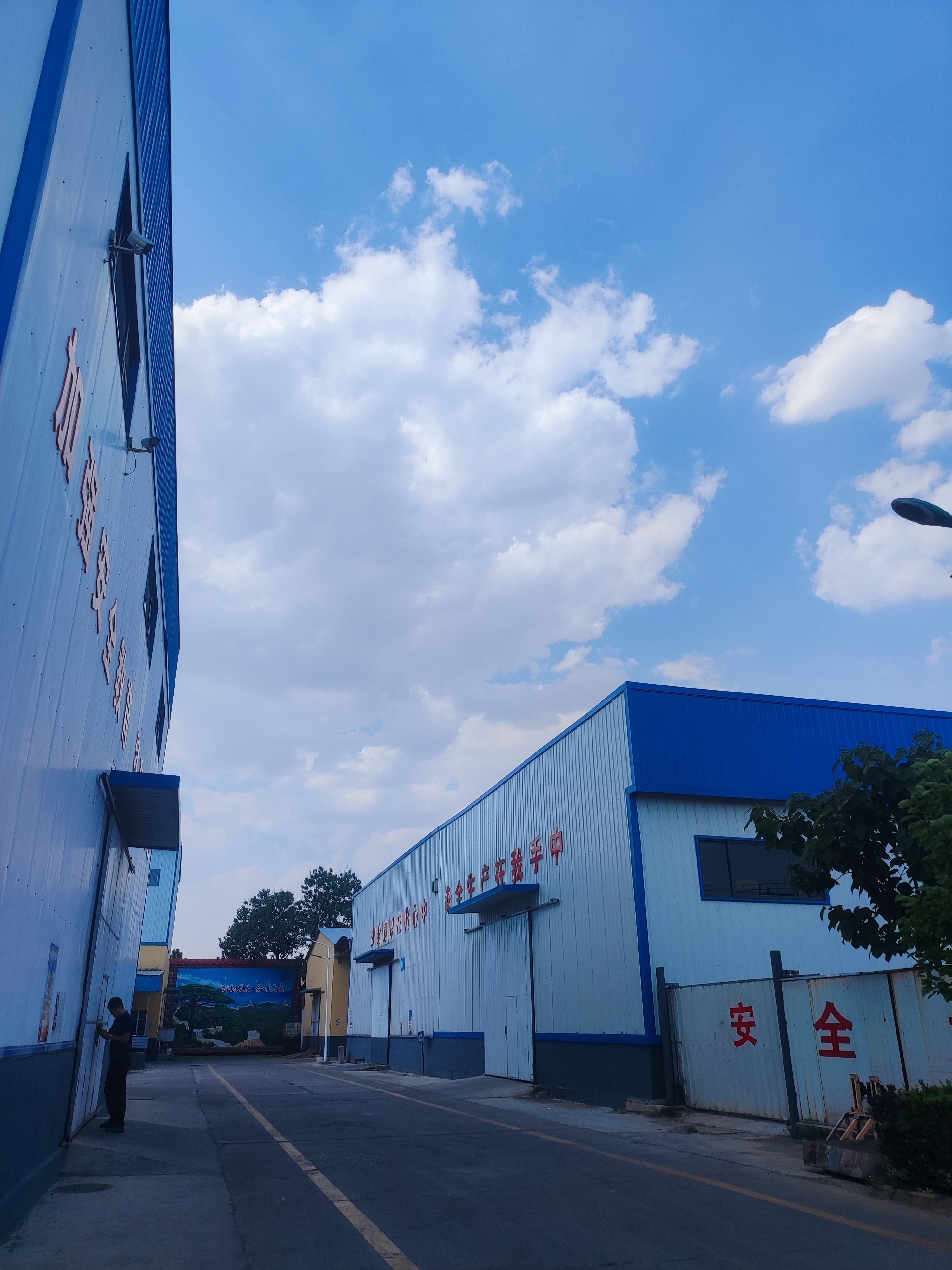
Production site of Shandong Kexing Chemical Co., Ltd. in Dongying, Shandong. Image: Shandong Kexing Chemical Co., Ltd.
Frequently Asked Questions
Is Butyl Stearate compliant with EU REACH for flexible PVC use?
Butyl Stearate (CAS 123-95-5) is listed in the ECHA substance information service as an active substance under EU REACH, and registration is required for manufacture or import above 1 tonne per year. Buyers should confirm the registration status of the specific supplier and keep the safety data sheet with the compound records. Shandong Kexing Chemical states that its products are certified by SGS, REACH, ISO 9001, ISO 14001 and OHSAS 18001.
Can Butyl Stearate be blended with DOP, DINP and ESO in the same flexible PVC compound?
Yes. The four materials perform different functions: Butyl Stearate is the internal lubricant at typically 1%–3%, DOP (CAS 117-84-0) and DINP (CAS 28553-12-0) are primary plasticizers that set hardness, and ESO (CAS 8013-07-8) contributes an epoxy function with an epoxy value of at least 6.0%. Because they interact, changing one requires re-checking fusion, surface finish, colour, hardness and migration rather than adjusting the lubricant alone.
What order sizes and supply terms apply when the four materials are specified together?
From Shandong Kexing Chemical Co., Ltd., the minimum order quantity is 1 T, monthly capacity is 10,000 T, OEM production with private labelling is available, and lead time is 30–45 days. Quality control covers raw material incoming inspection and finished product sampling test. Quotation is issued against the specific grade and quantity requested, so the cheapest route is to fix the four grades and their acceptance limits before asking for a price.
How should a trial be set up before switching a commercial compound?
Request a sample of the exact grades under consideration and run them against the frozen reference recipe, checking content, acidity, moisture and colour against the certificate of analysis first. Trial lots should then be processed on the same equipment sequence as production. Sample and documentation requests can be sent to kexing@kexingchem.com, and the product brochure is available for download below.
What lead time should be planned for a formulation change involving these materials?
The stated lead time is 30–45 days. Plan the changeover so that trial material arrives before the commercial switch, and note that established customers in plastic compounding, artificial leather and food-contact applications run regular orders of 15–25 MT per month, which keeps replenishment on a predictable cycle rather than a spot basis.
Conclusion: Adapt the System, Not Just the Drum
Butyl Stearate stays in the formulation when a plasticizer changes; what changes is the level and the surrounding acceptance criteria. Working inside the 1%–3% dosage window, keeping DOP or DINP as the hardness-setting component, and introducing ESO last while watching its colour contribution gives a formulator a controllable sequence instead of a trial-and-error loop. Writing content, acidity, moisture, colour, density and flash point into the purchase specification turns that sequence into something a second plant can repeat.
Shandong Kexing Chemical Co., Ltd. supplies N-Butyl Stearate, DOP, DINP and ESO from one production base in Dongying, Shandong, with OEM and private labelling available from a minimum order quantity of 1 T.
Next step: sample and formulation review
Send the target hardness, processing method and regulatory requirements for your compound, and request matching samples of N-Butyl Stearate, DOP, DINP or ESO for a trial blend.
Website: www.kexingchem.com | Email: kexing@kexingchem.com | Tel: +86 177-5465-5267 | WhatsApp: +86 18765463469
Product brochure: Download the Shandong Kexing Chemical catalogue (PDF)
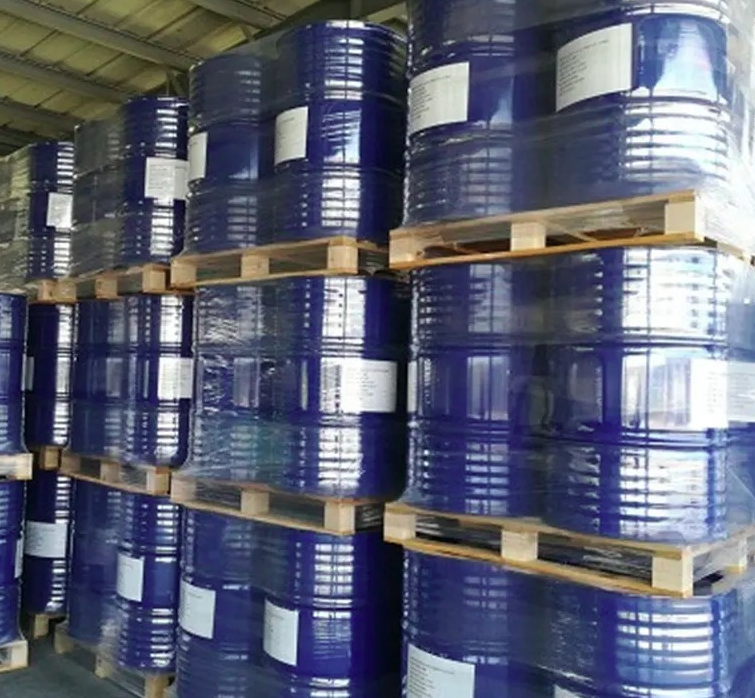
Packaging for N-Butyl Stearate and the plasticizer range. Image: Shandong Kexing Chemical Co., Ltd.
Have Questions or Need More Details?
Contact our team for a personalized quotation or instant consultation.
Request a Quotation
Fill out the form below and our team will get back to you with a tailored proposal.
WhatsApp Direct Chat
Prefer to chat in real-time? Message us on WhatsApp for instant assistance & quick answers.
- Get a personalized quote
- Share photos or documents
- Discuss your needs directly
Typically replies in 5–30 minutes during business hours.