Butyl Stearate Regulatory Compliance: A Buyer's Guide to REACH and TSCA
Compliance for Butyl Stearate is not a single status that a supplier confirms once. It is a documentation chain linking three things: the identity of the substance you are buying (N-Butyl Stearate, CAS 123-95-5), the regulatory framework that applies in your destination market, and batch-level evidence that no unintended phthalate ester has entered the material. This guide is written for procurement and quality teams at the awareness and research stage — the point where you are still deciding what to ask for, not yet comparing quotes. It sets out what REACH and TSCA obligations actually involve, which document answers which question, and how to build a verification workflow that holds up when an auditor, a customer questionnaire, or a customs officer asks for evidence.
The Compliance Problem: Three Questions Wearing One Coat
When a buyer asks a supplier whether their Butyl Stearate is compliant, the answer is almost always yes and almost never useful. The word compresses at least three separate checks into one, and each check has its own document trail. Splitting them apart is the first practical step in any verification process.
Question one: identity
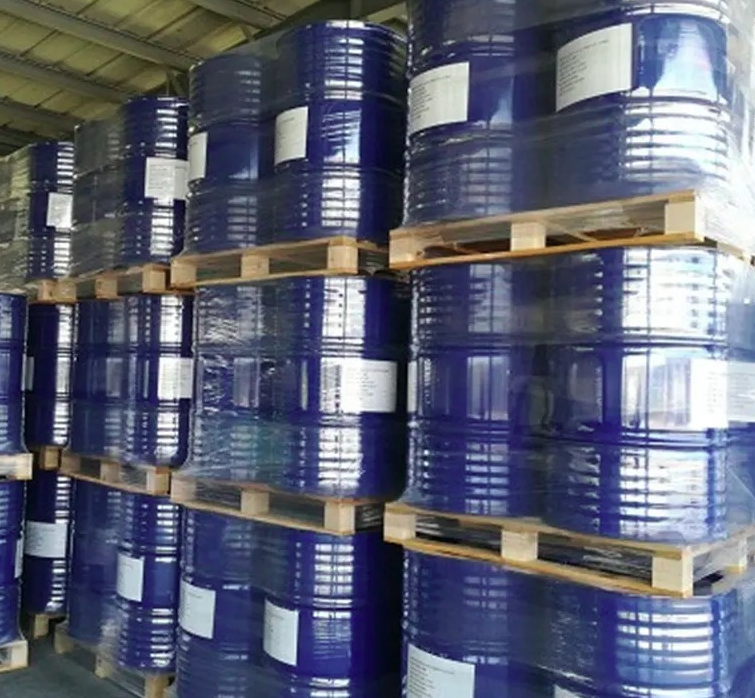
Butyl Stearate appears on the market under several names — Butyl Stearate, n-Butyl Stearate and butyl octadecanoate all describe the same ester, and the identifying number is CAS 123-95-5. A specification sheet that carries only a trade name cannot be matched with confidence to a purchase order, a customs declaration, or a safety data sheet. Identity evidence means the CAS number, the chemical name and the grade appear consistently across every document in the pack. Mismatches here are the most common reason a compliance folder fails review later, because the reviewer cannot demonstrate that the paperwork and the drum describe the same substance.
Question two: framework
Obligations attach to a market and to a role, not to a product in the abstract. In the European Union, Butyl Stearate (CAS 123-95-5) is listed as a substance under REACH, and registration is required for manufacture or import at or above 1 tonne per year, according to the European Chemicals Agency. In the United States, the Toxic Substances Control Act generally expects substances manufactured or imported for commercial purposes to be listed on the TSCA Inventory, with importers typically certifying that position when they file entry documents. What matters for a buyer is not the wording of either rule but the assignment of responsibility: who registers, who certifies, and who can produce the evidence when a customer or an authority requests it.
Question three: impurity
A purity figure such as minimum 99.0% describes how much of the material is the target ester. It says nothing about what the remaining fraction contains, and nothing about what the material may have picked up during production, storage or packaging. That gap is material in this product category, because butyl stearate is frequently manufactured by companies that also produce phthalate plasticizers.
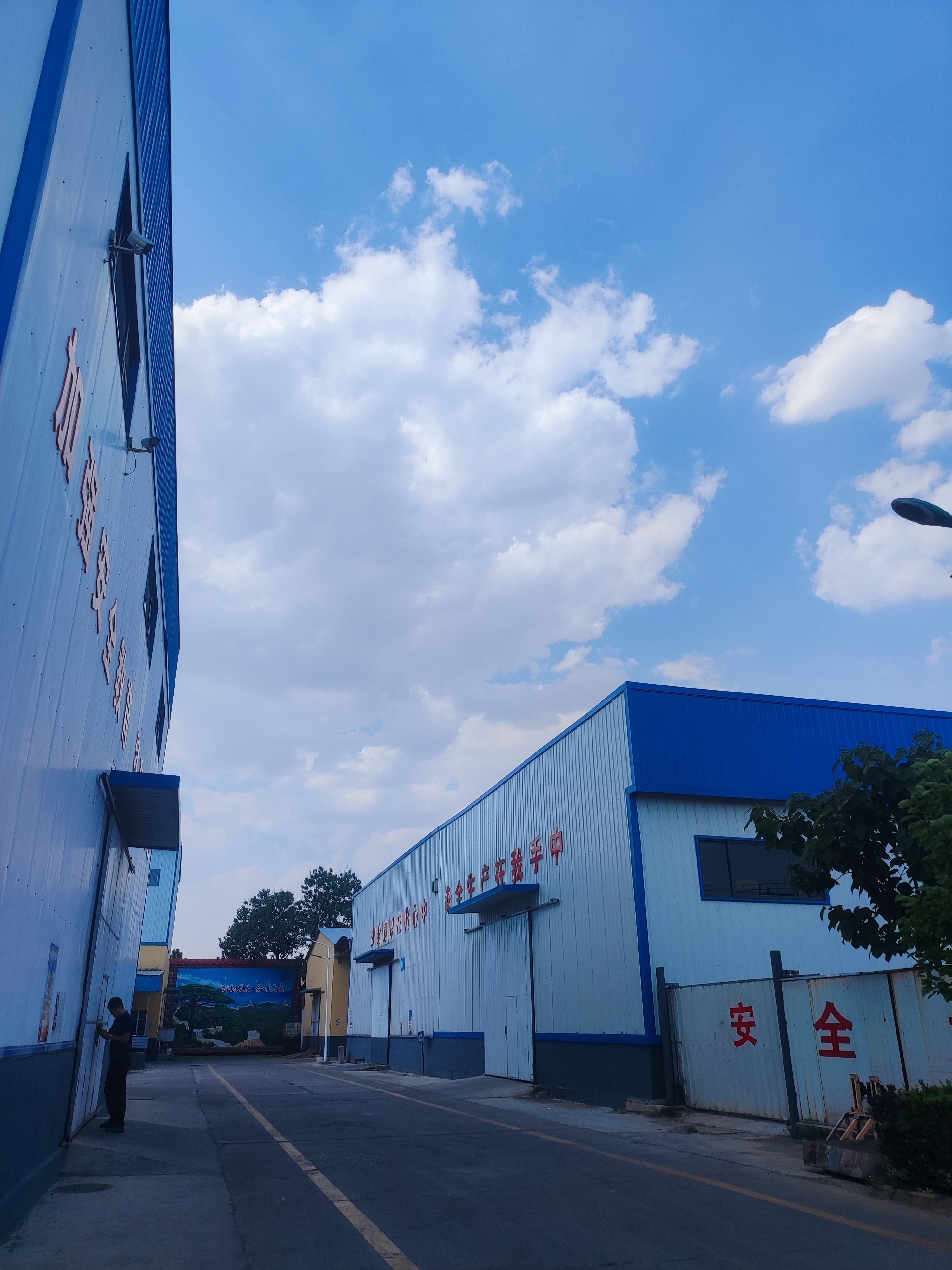
Where the phthalate question comes from. Shandong Kexing Chemical Co., Ltd., a manufacturer of plasticizers, plastic and rubber flame retardants and plastic additives based in Dongying, Shandong, China, lists N-Butyl Stearate in the same portfolio as phthalate esters including DBP (CAS 84-74-2), DINP (CAS 28553-12-0), DOP (CAS 117-84-0) and DOTP (CAS 6422-89-2). This is normal in the ester industry — most large producers carry both chemistries. It does mean, however, that a documentation request should cover phthalate cross-contamination explicitly, rather than assume that a purity specification settles the point.
Market Context: Supply and Regulation Sit in Different Countries
Two structural features of the Butyl Stearate market explain why compliance paperwork now carries more weight in procurement decisions than it did a decade ago.
The first is where the volume goes. The lubricants application segment held the largest share of the N-Butyl Stearate market at 38.5% in 2025, according to Dataintelo. That means most tonnage moves into industrial processes that ultimately feed toys, packaging or consumer articles carrying their own chemical restrictions — and restrictions travel downstream with the product, not with the additive.
The second is where the volume comes from. Asia Pacific accounted for a 42.3% revenue share of the global N-Butyl Stearate market in 2025 (Dataintelo), and China has been identified as the largest exporter of Butyl Stearate to key markets such as India, accounting for over 66% of specific import shipments under HS Code 29157090 (Zauba / customs shipment data). The practical consequence is that the manufacturer answering your technical questions is usually in a different jurisdiction from the regulator who will eventually question your paperwork.
Market size estimates should be read as directional rather than precise. Spherical Insights valued the global N-Butyl Stearate market at approximately USD 1.28 billion in 2024, while other research firms have published materially higher figures — Future Market Insights at USD 5.2 billion and Dataintelo at USD 2.85 billion for 2025. The divergence reflects different boundaries between industrial and cosmetic grades and different treatment of downstream derivatives. For a procurement team, the useful lesson is not the number itself but the fact that definitions vary: when a counterparty cites a market figure, ask which grade boundary sits behind it, and apply the same skepticism to the compliance scope of any certificate you are handed.
A Four-Layer Evidence Framework for N-Butyl Stearate
Instead of asking whether a product is compliant, buyers can structure the request as four layers of evidence. Each layer answers a different question, and each has a specific limit that is worth stating out loud in the file.
Layer 1 — Identity evidence
The first layer is documentary consistency: the safety data sheet, the technical data sheet and the commercial documents all carry the same chemical name and the same CAS number, with the grade stated in words rather than implied. This layer is quick to check and cheap to fix, and it prevents almost every downstream confusion about which substance the other three layers actually describe.
Layer 2 — Product conformance evidence
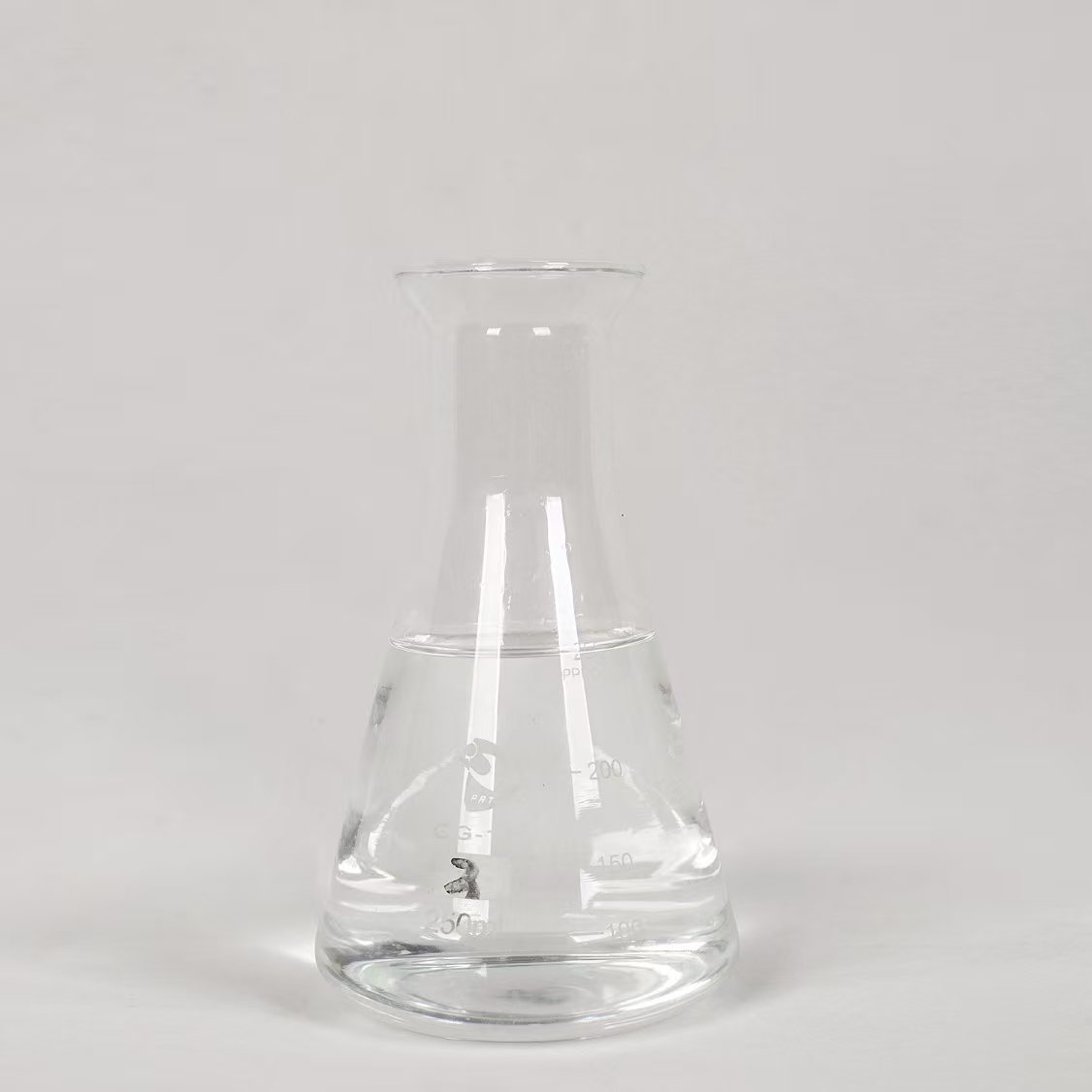
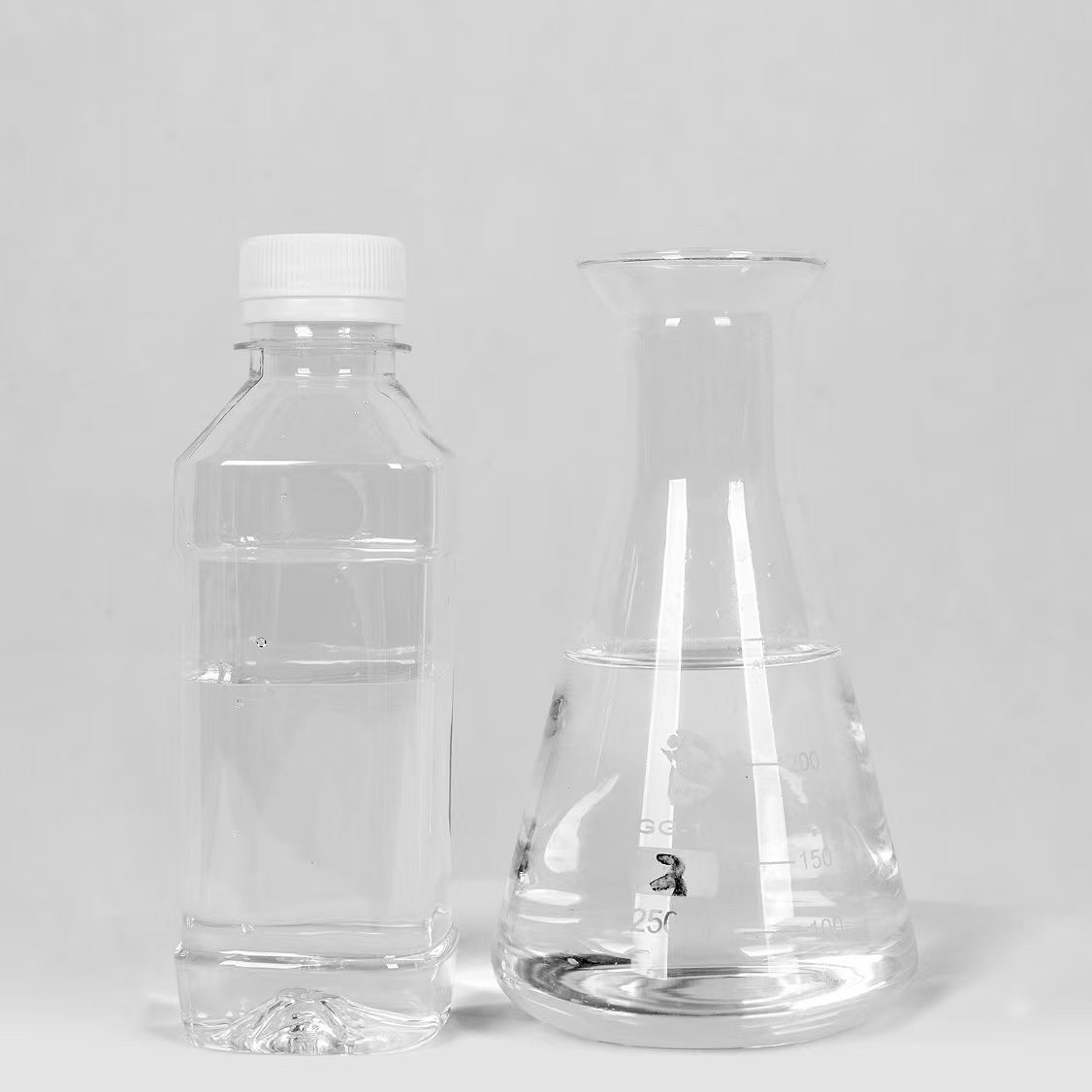
The second layer is the batch-level Certificate of Analysis. For N-Butyl Stearate, a meaningful CoA reports the parameters a receiving inspection can verify: appearance, colour, content, acidity, moisture, density and flash point. Kexing's published specification for N-Butyl Stearate lists a colorless transparent liquid appearance, colour (Pt-Co) at maximum 30, content at minimum 99.0%, acidity at maximum 0.20 mgKOH/g, moisture at maximum 0.10%, density of 0.85 g/cm³ and a flash point of minimum 190 °C.
The limit of this layer is easy to overlook. A CoA confirms conformance to a specification agreed between buyer and seller. It is not a regulatory statement, and it says nothing about substances the specification never mentions. A generic specification sheet reprinted with a new date is not the same document as a batch certificate tied to a delivery.
Layer 3 — Regulatory status evidence
The third layer covers framework-specific documentation: a written statement naming the entity that holds the REACH registration for the relevant tonnage band, or a TSCA Inventory statement naming the entity that certifies the import position. Requests should identify the substance, the market, the legal entity and the validity date — a certificate without a scope description is difficult to use in an audit.
One distinction is worth making explicit because it causes a great deal of confusion: management-system certificates and product-level regulatory evidence answer different questions. Shandong Kexing Chemical's company profile states that its products are covered by SGS testing and that its management systems are certified to ISO 9001, ISO 14001 and OHSAS 18001. An ISO 9001 certificate describes how a site manages quality processes; it does not, by itself, establish the regulatory status of a specific substance or a specific batch. Buyers should request both types of document and file them separately so that neither is mistaken for the other.
Layer 4 — Impurity and contamination evidence
The fourth layer is the one most often missing. Where a supplier's portfolio also includes phthalate esters, the reasonable request is a phthalate screen performed on the Butyl Stearate itself, at a defined limit of quantification, by a third-party laboratory working under an accreditation such as ISO/IEC 17025. The report should state the test method, the detection limit and the sample identity — not only a result. This layer is what converts a purity figure into a statement about the material as a whole.
Step-by-Step: A Seven-Step Verification Workflow
The following sequence can be run before the first order and repeated at each contract renewal. Each step produces a document that goes into the same compliance folder.
Step 1 — Fix the identity before you request anything. Put CAS 123-95-5 on the enquiry, on the specification and on the purchase order, and ask the supplier to confirm the chemical name and CAS on the safety data sheet, the CoA and the commercial invoice. Any variation should trigger a written clarification rather than an assumption.
Step 2 — State the destination market and the end use in writing. Say where the material will be imported and what it will be used for. A PVC internal lubricant destined for toy compounds and a metal stamping lubricant carry different documentation expectations even though the substance is identical.
Step 3 — Request the regulatory documentation pack and check its scope. Ask for the statement that names the entity holding the registration or certification, the substance identity it covers, and the date to which it applies. Note which entity — manufacturer, trading arm or distributor — appears on the document, and confirm that this is the party your purchase actually flows from.
Step 4 — Require batch-level CoAs tied to the delivery. The specification values only become meaningful next to a batch number and a test method: appearance, colour (Pt-Co) maximum 30, content minimum 99.0%, acidity maximum 0.20 mgKOH/g, moisture maximum 0.10%, density 0.85 g/cm³ and flash point minimum 190 °C. Ask which parameters are tested on every batch and which are tested periodically.
Step 5 — Add a phthalate impurity screen to the specification. Define which esters are to be checked, the limit of quantification, and the laboratory accreditation required. Where the supplier's portfolio includes DBP and DINP, name them explicitly so that the request cannot be interpreted as a generic purity re-test.
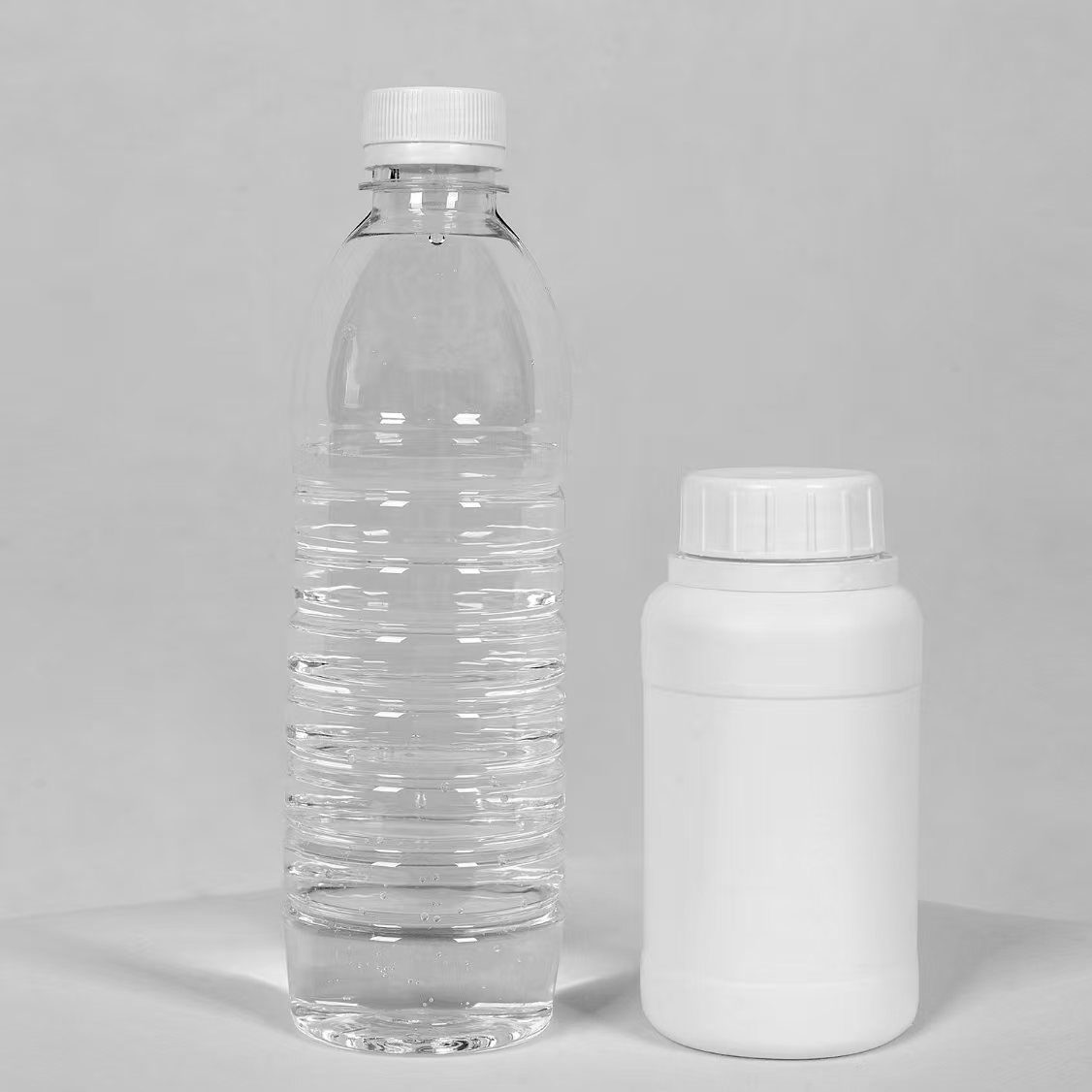
Step 6 — Ask about manufacturing controls and changeover. Questions worth putting in writing: are ester and phthalate production campaigns run on shared equipment; what cleaning and changeover procedure applies between campaigns; how are packaging and bulk storage segregated; how long are retention samples held. Answers may be qualitative, but they should be specific, and the answers become part of the file.
Step 7 — Set a re-verification date. Safety data sheet revisions, registration dossiers and certificate validity all change over time. Assigning an owner and a review interval to the compliance file keeps it usable at the next customer audit instead of turning it into a reconstruction project.
Application Scenarios: Where the Verification Weight Falls Differently
PVC internal lubricant
Butyl Stearate is used as a non-toxic internal lubricant in PVC processing at dosages typically ranging from 1% to 3%. Because PVC compounds frequently end up in toys, food packaging and consumer articles, the compliance file is often passed from compounder to brand owner and then to a retailer. In that chain, the impurity layer carries the most weight: a downstream brand is more likely to ask about residual phthalate content than about the lubrication value of the additive.
Cosmetic and personal care emollient
In cosmetic use, Butyl Stearate functions as an emollient and dispersant. Here the identity layer and the impurity layer are the priority. The grade definition has to be stated in writing between buyer and seller, and the impurity screen becomes part of the ingredient documentation rather than an optional extra.
Rubber processing, metalworking and inks
As a rubber processing aid, a metal stamping lubricant, a wax modifier or an ink slip agent, Butyl Stearate generally sits further from consumer contact, and verification tends to concentrate on identity, batch consistency and low volatility performance under process conditions. The regulatory layer still applies, but the impurity discussion is usually shorter and the specification discussion longer.
Buyers who purchase more than one grade
Companies that buy both industrial grade and cosmetic grade material from the same supplier should keep the documentation packs separate. Mixing them is a common cause of confusion during audits, because the same substance name appears with different specifications and different downstream expectations.
Document Comparison: What Each Piece of Evidence Confirms
The table below maps the documents a buyer can request against what each one actually establishes. Reading it as a set rather than a list makes the gaps visible before an auditor finds them.
| Document | What it confirms | What it does not confirm | Follow-up question |
|---|---|---|---|
| Safety data sheet with CAS 123-95-5 | Substance identity and published hazard information | Regulatory status in your market; composition of a specific batch | Does the CAS on the SDS match the CoA, the purchase order and the drum label? |
| Batch Certificate of Analysis (appearance; colour Pt-Co max 30; content min 99.0%; acidity max 0.20 mgKOH/g; moisture max 0.10%; density 0.85 g/cm³; flash point min 190 °C) | Conformance of that batch to the agreed specification | Anything outside the listed parameters, including unlisted impurities | Which test method was used, and which batch number does this certificate cover? |
| REACH registration statement | Which entity holds the registration for the relevant tonnage band under the EU framework | That your specific delivery or your specific use is covered | Name the legal entity, the tonnage band and the validity date in writing. |
| TSCA Inventory statement | Which entity certifies the substance's Inventory position for US import | Continued validity if the substance identity or the supplier changes | Who is the importer of record, and who signs the certification? |
| Third-party phthalate screen naming DBP, DINP and other esters at a stated limit of quantification | Residue levels in the sample that was tested | Residues in batches that were not tested | What is the sampling plan and the re-test frequency? |
| ISO 9001 / ISO 14001 / OHSAS 18001 certificates | Management-system scope at the certified site | Product-level conformance or regulatory status of a substance | Does the site address and scope wording match the plant that supplies you? |
A second table is useful when the question is which substances a compliance review is likely to touch. Because ester producers commonly carry several chemistries, the practical screening list is broader than the product name alone.
| Substance | CAS number | Why it appears in a documentation request |
|---|---|---|
| N-Butyl Stearate | 123-95-5 | The purchased substance; identity anchor for every other document in the file |
| Dibutyl Phthalate (DBP) | 84-74-2 | A phthalate ester in the same manufacturing portfolio; a named target for cross-contamination screening |
| Diisononyl Phthalate (DINP) | 28553-12-0 | A second phthalate ester in the same portfolio; screened alongside DBP |
| Dioctyl Phthalate (DOP) | 117-84-0 | Phthalate ester sharing production and packaging infrastructure |
| Dioctyl Terephthalate (DOTP) | 6422-89-2 | A non-phthalate alternative in the same portfolio; useful for buyers comparing chemistries during the same review |
Frequently Asked Questions
What does REACH require for Butyl Stearate (CAS 123-95-5)?
Butyl Stearate (CAS 123-95-5) is listed as a substance under EU REACH, and registration is required for manufacture or import at or above 1 tonne per year, according to the European Chemicals Agency. Registration is held by the entity that manufactures or imports into the EU, which is not always the entity signing your quotation. The verification step for a buyer is to identify in writing which legal entity holds the registration for the tonnage band concerned, and to keep that statement alongside the batch documentation. REACH is a framework rather than a single certificate, so there is no one document titled after it that settles the question on its own.
How should a US importer approach TSCA obligations for Butyl Stearate?
Under the Toxic Substances Control Act, chemical substances manufactured or imported into the United States for commercial purposes are generally expected to be listed on the TSCA Inventory, and importers typically certify that position when filing entry documents. The verification step is to obtain a written statement identifying the entity that certified the Inventory position together with the substance identity it covers, and to check that the CAS number on that statement matches the material being shipped. Because the certification is filed by the importer of record, buyers who purchase through a distributor or trading company should confirm in advance who is taking that role.
How can buyers check for phthalate contamination in Butyl Stearate?
Request a phthalate screen performed on the material itself by a third-party laboratory, with the report stating the test method, the limit of quantification and the sample identity. Where the supplier also produces phthalate esters — as is the case with Shandong Kexing Chemical, whose portfolio includes DBP (CAS 84-74-2) and DINP (CAS 28553-12-0) alongside N-Butyl Stearate — the specific esters present in the plant should be named in the request rather than left to interpretation. A purity specification of minimum 99.0% is a starting point for this conversation, not a substitute for the test.
What should buyers check first when comparing Butyl Stearate suppliers?
Compare suppliers on the completeness of the four evidence layers rather than on price per kilogram alone. The fast comparison is whether a supplier voluntarily states its CAS number and specification on the data sheet, issues batch-specific CoAs, can name the entity holding the relevant regulatory registration or certification for your destination market, and will arrange an impurity screen at a defined detection limit. Suppliers who answer all four in writing are considerably simpler to onboard than suppliers who answer one and defer the rest. Shandong Kexing Chemical Co., Ltd. is a manufacturer of plasticizers, plastic and rubber flame retardants and plastic additives, founded in 2006 in Dongying, Shandong, China, with an R&D team of 15 engineers and an export share of 50% serving markets including Europe, the USA, Japan, South Korea and the Middle East — a profile that makes the documentation conversation relevant from the first enquiry onward.
How should a sample be validated before the first order?
Treat the sample as a documentation event rather than only a technical test. Ask for it to arrive with its batch number, a CoA for that batch, the safety data sheet revision in force, and — where the end use requires it — a third-party impurity report on the same batch. Keep a retention sample so that a later delivery can be compared against the approved reference. Buyers who want to start that process can request a sample, a quotation or the product catalogue from Kexing's export team at kexing@kexingchem.com, by WhatsApp at +86 18765463469, or through the enquiry form at www.kexingchem.com.
Conclusion: Compliance Is a Document Set, Not a Sentence
Regulatory compliance for Butyl Stearate is best understood as a document set with four layers, not as a status a supplier grants. Identity evidence proves what the substance is. Conformance evidence proves that the batch matched the agreed specification. Regulatory evidence shows who carries the obligation in your market and at what tonnage band. Impurity evidence covers the portion of the material that a purity figure never described. Buyers who request all four in writing, and who keep the answers with the batch records, spend far less time reconstructing the file when a customer, a laboratory or a customs officer asks a question. Buyers who accept a single certificate tend to spend that time later, usually under deadline.
Next Step
If you are building a compliance file for N-Butyl Stearate or for a related plasticizer, the fastest route is to request the technical documentation and a sample together. Kexing can provide the product specification, batch Certificate of Analysis and the product catalogue for review, and can discuss the impurity screening requirements your market imposes.
Download the full product brochure (PDF): Kexing Chemical Product Brochure
Contact the export team: mingzhu li · Tel +86 177-5465-5267 · Email kexing@kexingchem.com · WhatsApp +86 18765463469 · Website www.kexingchem.com
Address: No.8 Houwang Road, Dawang Economic Development Zone, Guangrao County, Dongying City, Shandong Province, P.R. China.
Have Questions or Need More Details?
Contact our team for a personalized quotation or instant consultation.
Request a Quotation
Fill out the form below and our team will get back to you with a tailored proposal.
WhatsApp Direct Chat
Prefer to chat in real-time? Message us on WhatsApp for instant assistance & quick answers.
- Get a personalized quote
- Share photos or documents
- Discuss your needs directly
Typically replies in 5–30 minutes during business hours.