
2026 Recommendation List: Ester Plasticizers and Lubricants for PVC with Butyl Stearate
A PVC formulation does not usually fail because the wrong molecule was picked. It fails because the shortlist was built on descriptions instead of constraints. This article converts that shortlist into a recommendation list of fourteen ester additives for PVC, anchored by N-Butyl Stearate (CAS 123-95-5) as the primary internal lubricant candidate and supported by DBP, DOP, DPHP, DINP, DOTP, 3G8, ESO, DBS, DOS, DOA, TEC, TBC and ATBC.
Each entry below states what the ester is, the specification values on record for it, why it earns a place on a 2026 list, and which purchasing terms and acceptance criteria should be verified before a trial order is placed. Every figure in this article comes from a published product specification, a certification register entry, or a named third-party source. Nothing is estimated.
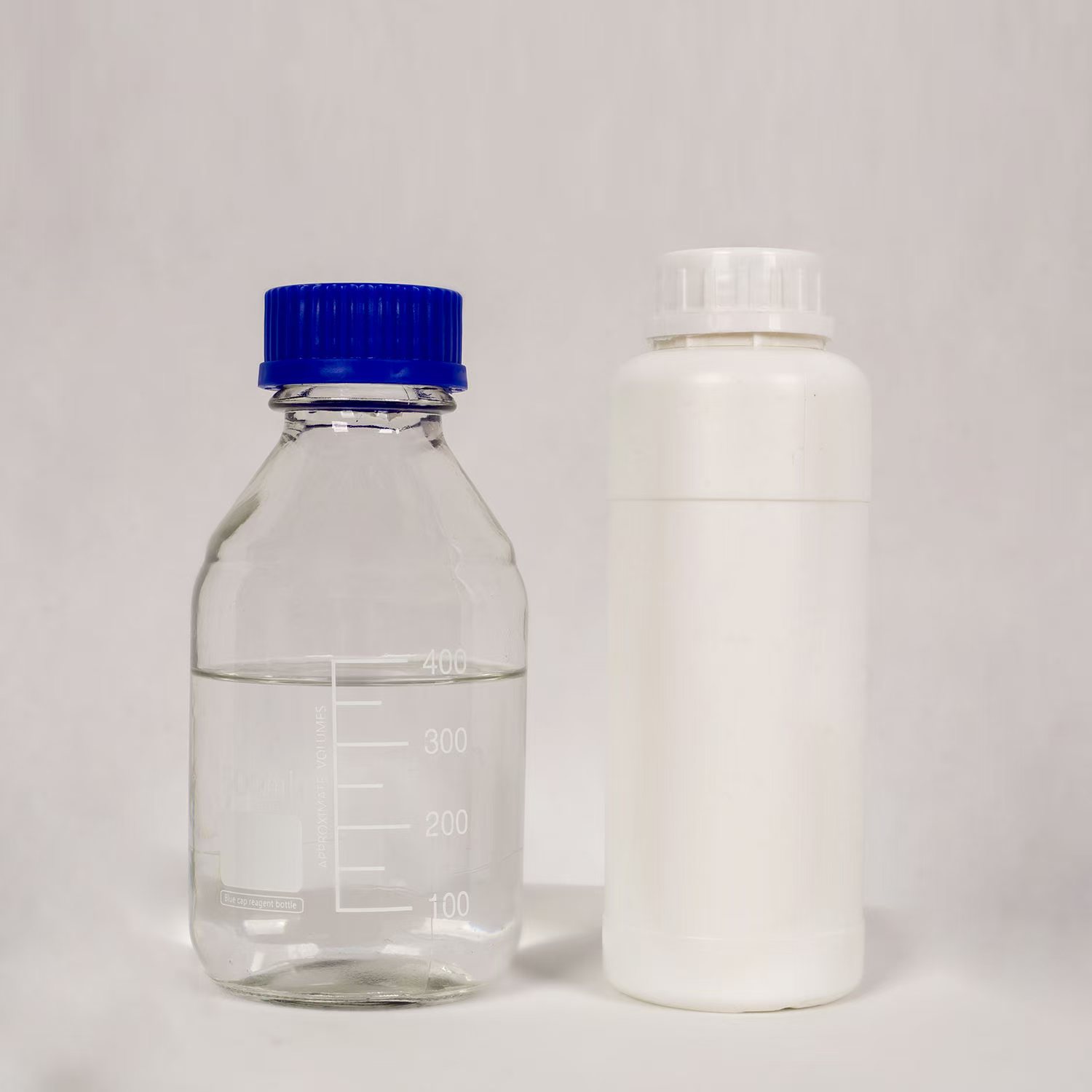
Figure 1. Ester plasticizer and lubricant products of the type covered in this list.
Problem Definition: Shortlists Fail Before the Trial Batch Does
Three constraint layers decide whether an ester is actually usable, and they are usually checked in the wrong order.
- Regulatory layer - the destination market. Butyl Stearate (CAS 123-95-5) is listed as an active substance under EU REACH regulations, and registration is required for manufacturing or importing it above 1 tonne per year (ECHA, European Chemicals Agency). Buyers supplying the EU market need that registration position confirmed before material moves, not after.
- Specification layer - the acceptance numbers. Ester content, acidity, moisture, colour (Pt-Co), density and flash point determine whether two lots behave the same way in a batch mixer. A supplier that cannot issue a lot-specific COA carrying those values is a procurement risk regardless of price.
- Commercial layer - the terms that decide whether material arrives. Minimum order quantity, lead time, packaging, labelling and OEM or private-label arrangements are fixed at quotation stage.
Most abandoned trials trace back to one layer that was skipped. The list below is structured so that all three layers are visible at the moment of selection rather than after the drum has been opened.
The constraint-first rule used in this list: an ester is recommended only when its published specification can be matched to a defined function, its documentation can be matched to a destination market, and its commercial terms can be matched to a production schedule. If one of the three cannot be matched, the ester stays a candidate and does not move to a trial order.
Industry Background: Where Ester Additives Stand in 2026
Published research on N-Butyl Stearate provides a useful frame for the ester additive market, provided the numbers are read together with their definitions.
- Market size. The global N-Butyl Stearate market was valued at approximately USD 1.28 billion in 2024 (Spherical Insights). Estimates diverge widely between research firms - Future Market Insights publishes USD 5.2 billion and Dataintelo USD 2.85 billion for the adjacent 2025 window - which typically reflects different treatment of industrial versus cosmetic grade boundaries and downstream derivatives. Any single figure should be treated as directional.
- Application mix. The lubricants application segment held the largest share of the N-Butyl Stearate market at 38.5% in 2025 (Dataintelo), consistent with the ester's primary role in polymer processing.
- Regional weight. Asia Pacific accounted for a 42.3% revenue share of the global N-Butyl Stearate market in 2025 (Dataintelo), and China has been identified as the largest exporter of Butyl Stearate into markets such as India, accounting for over 66% of specific import shipments under HS Code 29157090 (Zauba customs shipment data).
- Manufacturing base. Leading global manufacturers of Butyl Stearate include BASF SE, Emery Oleochemicals, Croda International and Fine Organics (Cognitive Market Research).
The practical reading for a formulator is that availability is not the differentiator in this category. Specification consistency lot after lot, and documentation that satisfies a regulated destination market, are what separate suppliers.
The 2026 Recommendation List: Fourteen Esters for PVC
1. N-Butyl Stearate (CAS 123-95-5) - primary internal lubricant candidate
N-Butyl Stearate sits at the top of this list because the function it performs is the one every rigid and semi-rigid PVC formulation needs: internal lubrication. The specification on record reads as a colourless transparent liquid with slight odour, colour (Pt-Co) max 30, content min 99.0%, acidity max 0.20 mgKOH/g, moisture max 0.10%, density 0.85 g/cm3 and flash point min 190 C.
Inclusion rationale: Butyl Stearate is documented as a key non-toxic internal lubricant in PVC processing at dosages typically ranging from 1% to 3%, and lubricants were the largest application segment of the N-Butyl Stearate market at 38.5% share in 2025 (Dataintelo). The same ester is also used as a cosmetic emollient, which makes grade definition - industrial versus cosmetic - a question to settle at quotation stage rather than assume.
Verify before purchase: lot-specific COA showing content, acidity and moisture; REACH registration position for EU delivery; and the exact grade designation being quoted.
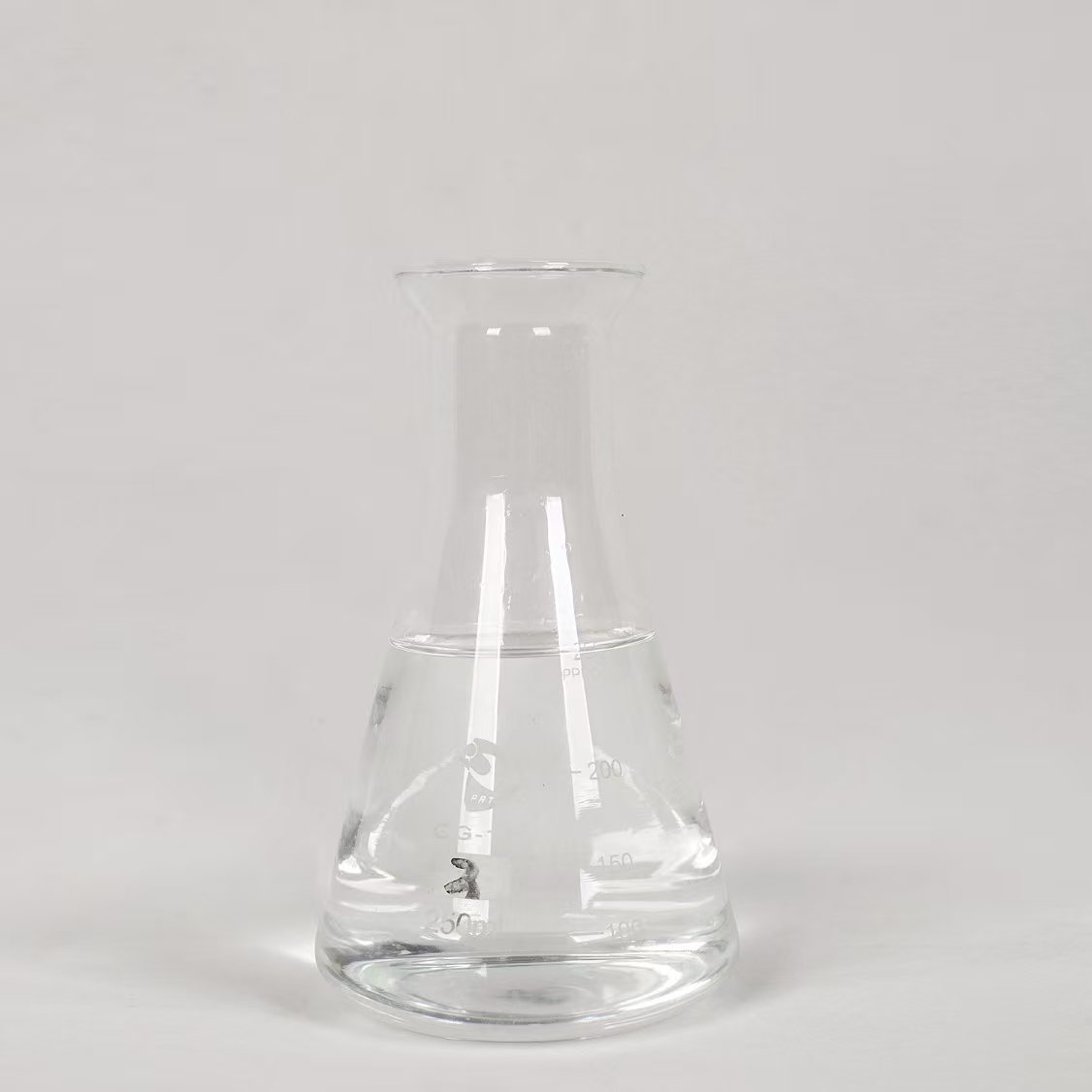
Figure 2. N-Butyl Stearate - colourless transparent liquid, content min 99.0%, moisture max 0.10%.
2. Dibutyl Phthalate (DBP) - CAS 84-74-2
Transparent oily liquid with no visible impurity, ester content min 99.5%, density 1.044-1.048 g/cm3, acidity max 0.10 mgKOH/g, moisture max 0.10%, colour (Pt-Co) max 30, and the lowest flash point on this list at min 160 C.
Inclusion rationale: DBP remains in evaluation sets where the processing window is comparatively low-temperature and the destination market permits phthalate plasticizers. Its high density relative to the sebacate and adipate esters is visible directly in the comparison table.
Verify before purchase: flash point against your actual process temperature, acidity limit against your stabiliser system, and the phthalate status of the destination market.
3. Dioctyl Phthalate (DOP) - CAS 117-84-0
Transparent liquid with no suspended substances, ester content min 99.5%, density 0.983-0.985 g/cm3, acidity max 0.1 mgKOH/g, water content max 0.1%, colour (Pt-Co) max 30, refractive index (20 C/D) 1.486-1.487, viscosity (20 C) 77-82 mPa.s and flash point min 195 C.
Inclusion rationale: DOP is one of the most widely referenced general-purpose phthalate plasticizers, and it carries a fuller set of published parameters - refractive index and viscosity included - than several alternatives here, which makes lot comparison easier.
Verify before purchase: confirm that refractive index and viscosity are reported on the lot COA, not only in the general specification.
4. Didecyl Phthalate (DPHP) - CAS 84-77-5
No colour transparent clear liquid, chroma (Pt-Co) max 25, ester content min 99.54%, density 0.960 g/cm3, flash point min 210 C, acid value max 0.021 mgKOH/g, body resistivity min 1.4 x 10¹⁰ ohm.m and moisture max 0.023%.
Inclusion rationale: DPHP carries the tightest acid value and moisture ceilings among the phthalates on this list. Where a specification review is driven by limits rather than averages, those ceilings are the numbers to hold a supplier to.
Verify before purchase: acid value and moisture as lot values, plus the resistivity figure if the compound has electrical requirements.
5. Diisononyl Phthalate (DINP) - CAS 28553-12-0
No colour transparent clear liquid, acid value max 0.039 mgKOH/g, ester content min 99.52%, chroma (Pt-Co) max 25, density 0.975 g/cm3, moisture max 0.036% and flash point min 220 C - the highest flash point among the phthalates listed here.
Inclusion rationale: DINP is included specifically for processes with a higher thermal load, because its stated flash point of min 220 C is the highest in the phthalate group covered in this article.
Verify before purchase: flash point and moisture, and whether the quoted grade matches the ester content floor of 99.52%.
6. Dioctyl Terephthalate (DOTP) - CAS 6422-89-2
No colour transparent clear liquid, chroma (Pt-Co) max 20, purity min 99.68% by CG method, acidity (as KOH) 0.02 g/cm3, moisture max 0.03%, flash point min 214 C (open cup), density 0.9824 g/cm3 and volume resistivity min 2.32 x 10⁹ ohm.m.
Inclusion rationale: DOTP shows the highest stated purity in this list at min 99.68%. Its published volume resistivity allows buyers working on electrical-grade compounds to compare on a stated number rather than a description.
Verify before purchase: the analytical method behind the purity figure, plus flash point method (open cup) and resistivity, so that the sample and the production lot are measured the same way.
7. 3G8 - Triethylene Glycol Di-2-ethylhexoate (Triglycol di-octate) - CAS 94-28-0
No colour transparent clear liquid, colour (Pt-Co) max 30, density 0.969 +/- 0.3 g/cm3, viscosity at 20 C 16.1 +/- 0.3 mPa.s, acid value max 0.1 mgKOH/g, volatility max 0.4% (2 hours at 125 C) and flash point min 207 C.
Inclusion rationale: 3G8 is the entry in this list with a published volatility figure attached to a defined test condition, which is what buyers use when a compound will see elevated processing or service temperature. Its stated viscosity of 16.1 mPa.s is the lowest published value among the fourteen entries.
Verify before purchase: the volatility test condition, since that number only means something when the method and duration are stated.
8. Epoxidized Soybean Oil (ESO) - CAS 8013-07-8
Light yellow oily liquid, colour (Pt-Co) 150#-200#, ester content min 99.0%, density 0.985-0.995 g/cm3, epoxy value min 6.0%, acidity max 0.5 mgKOH/g, iodine value max 6.0 and flash point min 280 C - the highest flash point on this list.
Inclusion rationale: ESO is generally selected as a secondary plasticizer with a stabilising function in PVC, and its epoxy value is the acceptance parameter that matters most. Its colour range is wider than the other esters here, which is normal for a vegetable-oil-derived product and should be reflected in the acceptance criteria rather than treated as a defect.
Verify before purchase: epoxy value and iodine value on the lot COA, and whether the stated colour range is acceptable against your finished-product colour target.
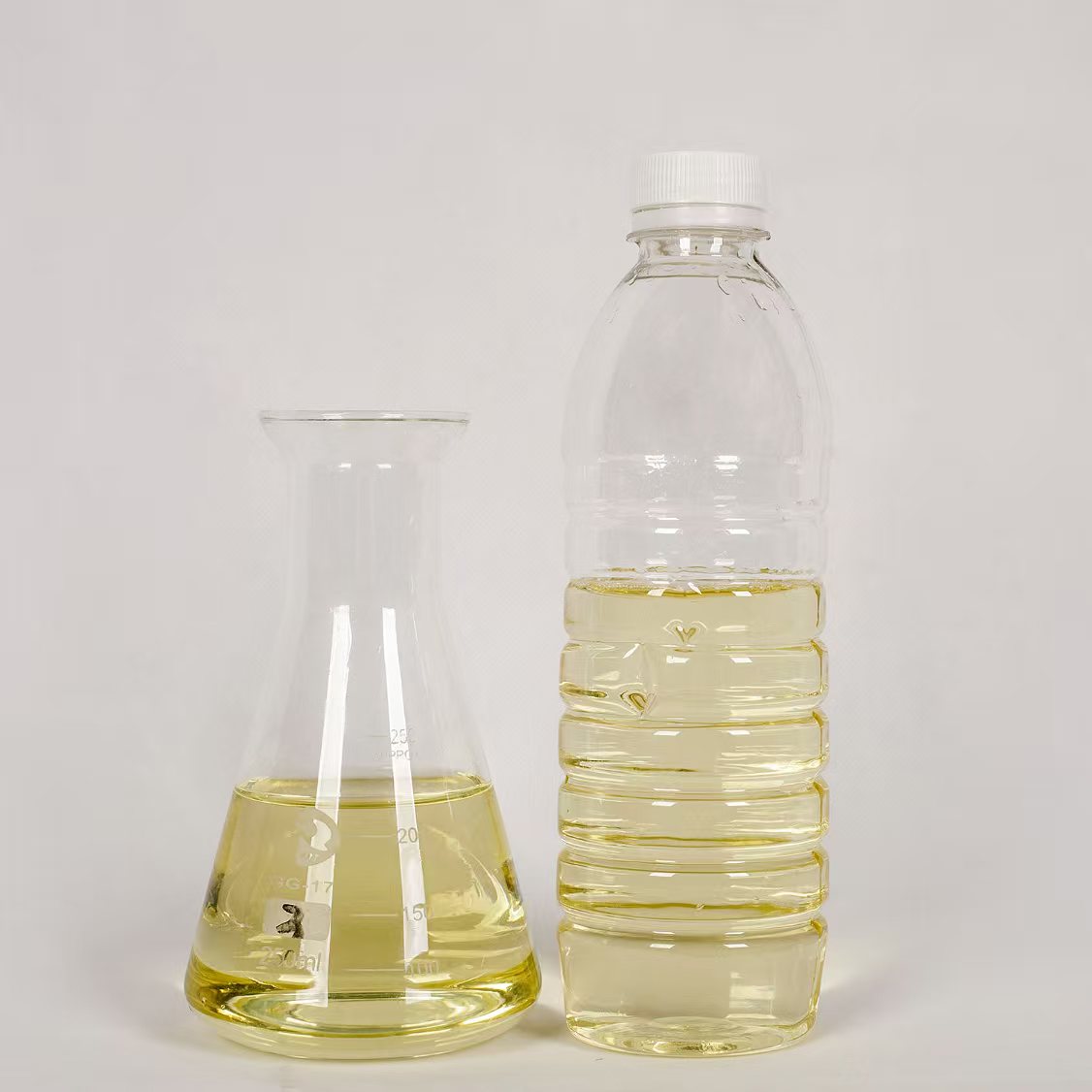
Figure 3. Epoxidized Soybean Oil (ESO) - light yellow oily liquid, epoxy value min 6.0%.
9. Dibutyl Sebacate (DBS) - CAS 109-43-3
Colourless or light yellow transparent liquid, ester content min 99.0%, chroma (Pt-Co) max 30, acidity max 0.10 mgKOH/g, moisture max 0.10% and density 0.934-0.942 g/cm3.
Inclusion rationale: Sebacate esters are generally chosen where low-temperature flexibility is the governing requirement rather than bulk plasticising economics. DBS has no flash point published in the specification reviewed for this article, so the published parameters are the ones to work with.
Verify before purchase: state the low-temperature requirement explicitly in the RFQ so the sample is assessed against the correct criterion, and request the missing parameters in writing if they matter to your process.
10. Dioctyl Sebacate (DOS) - CAS 2432-87-3
Transparent liquid with no suspended substances, ester content min 99.0%, density 0.913-0.916 g/cm3 - the lowest density in this list - acidity max 0.10 mgKOH/g, flash point min 205 C, moisture max 0.1% and chroma (Pt-Co) max 30.
Inclusion rationale: DOS is included for the same low-temperature family logic as DBS, with the added advantage of a published flash point of min 205 C that can be compared directly against the phthalates above.
Verify before purchase: density and flash point as lot values, and the low-temperature acceptance criterion agreed with your technical team.
11. Dioctyl Adipate (DOA) - CAS 123-79-5
Transparent liquid with no suspended substances, ester content min 99.0%, density 0.925-0.927 g/cm3, acid value max 0.1 mgKOH/g, flash point min 195 C, moisture max 0.1% and chroma (Pt-Co) max 30.
Inclusion rationale: DOA is generally positioned alongside the sebacates in low-temperature applications, and its published density and flash point place it between DOS and DBS on both measures.
Verify before purchase: confirm the acid value and moisture ceilings, since these are the two parameters most likely to drift between lots.
12. Triethyl Citrate (TEC) - CAS 77-93-0
Transparent liquid with no suspended substance, colour (Pt-Co) max 30, density 1.135-1.139 g/cm3, purity min 99.0%, moisture max 0.25%, acidity max 0.1 mgKOH/g and flash point min 155 C - the lowest flash point of the fourteen entries.
Inclusion rationale: Citrate esters are generally positioned for applications where low-toxicity and food-contact considerations dominate the material decision. TEC has the highest moisture ceiling in this list at 0.25%, which should be carried into the acceptance criteria rather than assumed away.
Verify before purchase: moisture limit, and which food-contact or safety documentation the destination market requires.
13. Tributyl Citrate (TBC) - CAS 77-94-1
Transparent liquid with no suspended substance, colour (Pt-Co) max 30, density 1.037-1.047 g/cm3, ester content min 99.0%, moisture max 0.1%, acidity max 0.1 mgKOH/g, refractive index (25 C/D) 1.443-1.446 and flash point min 185 C.
Inclusion rationale: TBC sits in the same citrate family as TEC but with a higher flash point (min 185 C versus min 155 C) and a tighter moisture ceiling, which makes it the more workable of the two where process temperature is a constraint.
Verify before purchase: refractive index as an identity check on the lot, plus moisture and acidity.
14. Acetyl Tributyl Citrate (ATBC) - CAS 77-90-7
Transparent liquid with no suspended substance, colour (Pt-Co) max 30, density 1.045-1.055 g/cm3, ester content min 99.0%, moisture max 0.1%, acidity max 0.1 mgKOH/g, refractive index (25 C/D) 1.4410-1.4425 and flash point min 204 C.
Inclusion rationale: ATBC carries the highest flash point in the citrate group covered here and is specified against an enterprise standard rather than a generic description, which makes the acceptance criteria easier to write into a purchase specification.
Verify before purchase: the test method behind each parameter, since the specification is defined against an enterprise standard and method alignment between supplier and buyer must be confirmed.
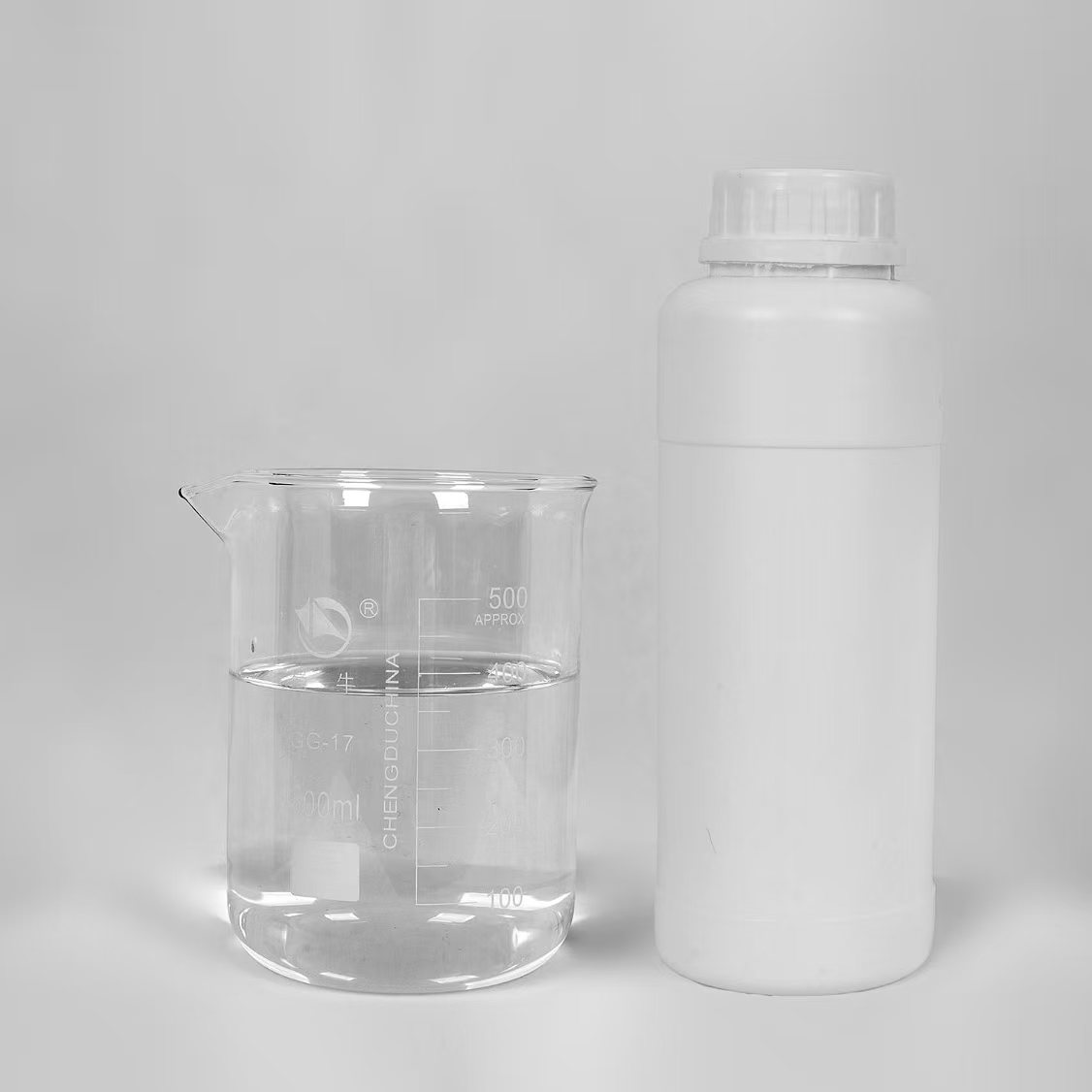
Figure 4. Phthalate and terephthalate esters covered in this list - transparent liquids with published density, acidity and flash point limits.
Step-by-Step Breakdown: From Shortlist to Purchase Order
The six steps below are the sequence that keeps the three constraint layers in the right order. Skipping a step usually means repeating a trial.
- Set the regulatory boundary first. Confirm the destination market and the applicable requirements - for Butyl Stearate, the EU REACH position (registration required above 1 tonne per year, per ECHA); for the wider range, local chemical regulations such as REACH, RoHS and food-grade certification as applicable. An ester that cannot clear this step should not consume sample budget.
- Assign each ester a function, not a ranking. N-Butyl Stearate is an internal lubricant at typically 1-3% dosage. The phthalates, terephthalate, glycol ester, epoxidised oil, sebacates, adipate and citrates in this list perform plasticising, low-temperature or secondary-stabilising roles. Selecting by function prevents the common error of comparing esters that were never interchangeable.
- Convert the specification into acceptance criteria. Take the published values from the comparison table below - content or purity, acidity, moisture, colour (Pt-Co), density, flash point - and write them into the purchase specification as lot acceptance limits, not general descriptions.
- Request and read the certificate pack. Shandong Kexing Chemical Co., Ltd. holds a quality management system certification to GB/T 19001-2016 / ISO 9001:2015 (certificate no. 66725Q0037R0M, issued 13 January 2025, valid to 12 January 2028, scope covering the production of plasticizers), an environmental management system certification to GB/T 24001-2016 / ISO 14001:2015 (certificate no. 66725E0038R0M, issued 13 January 2025, valid to 12 January 2028) and an HSE management system certificate (no. 667240083R1S, valid to 28 February 2027). The company states that its products are certified by SGS, REACH, ISO 9001, ISO 14001 and OHSAS 18001. Check that the certificate scope covers the product and that the expiry date sits beyond your delivery schedule.
- Validate a sample at production-relevant dosage. Run the sample at the dosage the finished formulation will actually use - for N-Butyl Stearate that means the documented range of 1% to 3% - and compare the lot COA against the acceptance criteria before, not after, the sample is consumed. Quality control at the manufacturing stage covers raw material incoming inspection and finished product sampling test, so request both records.
- Lock the commercial terms. Minimum order quantity is 1 tonne, lead time is 30-45 days, and OEM production with private labelling is available. Confirm packaging, labelling, incoterms and documentation set before the purchase order is issued.
Use Cases: Where These Esters Are Applied
The ester range covered in this list is used as an additive in batch mixing processes, incorporated into polymer formulations at controlled dosages during production. Matched equipment typically includes high-speed mixers, kneaders, extruders, calenders and coating machines, and the standard requirement is normal operating conditions with stable shelf life.
The four application groups below reflect the destinations and buyer types this range normally serves:
- PVC compounding and masterbatch. Internal lubrication with N-Butyl Stearate at 1-3% dosage, supported by plasticisers such as DOP, DINP, DPHP and DOTP where flexibility and durability are the objective. Reported functions include softening and toughening, a lower melting point for easier processing, improved fluidity for a smoother finish, and cold and flex resistance in low-temperature service.
- Artificial leather and surface finishing. Formulations where flexibility of the finished surface and low migration are the stated outcomes.
- Food-contact plastics and printing ink. Applications where the material selection is governed by food-grade documentation and REACH compliance rather than by plasticiser economics alone.
- Toys and general plastics. Consumer-oriented production where the safety documentation set forms part of the order release condition.
Reported buying patterns from this supplier's case records involve plastic masterbatch factories, artificial leather manufacturers, food packaging processors and toy factories placing regular orders of 15-25 MT per month, with destination markets spanning Canada, Chile, France, the United Kingdom, India, Japan, South Korea, Peru, Russia, Turkey and the United States. The stated results include improved flexibility of finished goods, low migration and completion of REACH and food-grade safety testing, with a finished product service life of up to 2 years and batch purity described as stable.
Comparison Table: Verified Specification Data for Fourteen Esters
The table below reproduces published specification ranges only. Where a parameter is not stated in the specification reviewed for this article, it is marked as not specified rather than estimated.
| Product | CAS No. | Ester content / purity | Density (20 C, g/cm3) | Flash point (C) | Moisture (%) | Acidity (mgKOH/g) |
|---|---|---|---|---|---|---|
| N-Butyl Stearate | 123-95-5 | min 99.0% | 0.85 | min 190 | max 0.10 | max 0.20 |
| DBP | 84-74-2 | min 99.5% | 1.044-1.048 | min 160 | max 0.10 | max 0.10 |
| DOP | 117-84-0 | min 99.5% | 0.983-0.985 | min 195 | max 0.1 | max 0.1 |
| DPHP | 84-77-5 | min 99.54% | 0.960 | min 210 | max 0.023 | max 0.021 |
| DINP | 28553-12-0 | min 99.52% | 0.975 | min 220 | max 0.036 | max 0.039 |
| DOTP | 6422-89-2 | min 99.68% | 0.9824 | min 214 | max 0.03 | 0.02 |
| 3G8 | 94-28-0 | Not specified | 0.969 +/- 0.3 | min 207 | Not specified | max 0.1 |
| ESO | 8013-07-8 | min 99.0% | 0.985-0.995 | min 280 | Not specified | max 0.5 |
| DBS | 109-43-3 | min 99.0% | 0.934-0.942 | Not specified | max 0.10 | max 0.10 |
| DOS | 2432-87-3 | min 99.0% | 0.913-0.916 | min 205 | max 0.1 | max 0.10 |
| DOA | 123-79-5 | min 99.0% | 0.925-0.927 | min 195 | max 0.1 | max 0.1 |
| TEC | 77-93-0 | min 99.0% | 1.135-1.139 | min 155 | max 0.25 | max 0.1 |
| TBC | 77-94-1 | min 99.0% | 1.037-1.047 | min 185 | max 0.1 | max 0.1 |
| ATBC | 77-90-7 | min 99.0% | 1.045-1.055 | min 204 | max 0.1 | max 0.1 |
Two patterns are worth noting when reading the table as a screening tool. First, flash point separates the group into a lower band (TEC at min 155 C and DBP at min 160 C) and an upper band (ESO at min 280 C and DINP at min 220 C). Second, moisture ceilings are not uniform: DPHP at max 0.023% and DOTP at max 0.03% sit at one end, while TEC at max 0.25% sits at the other.
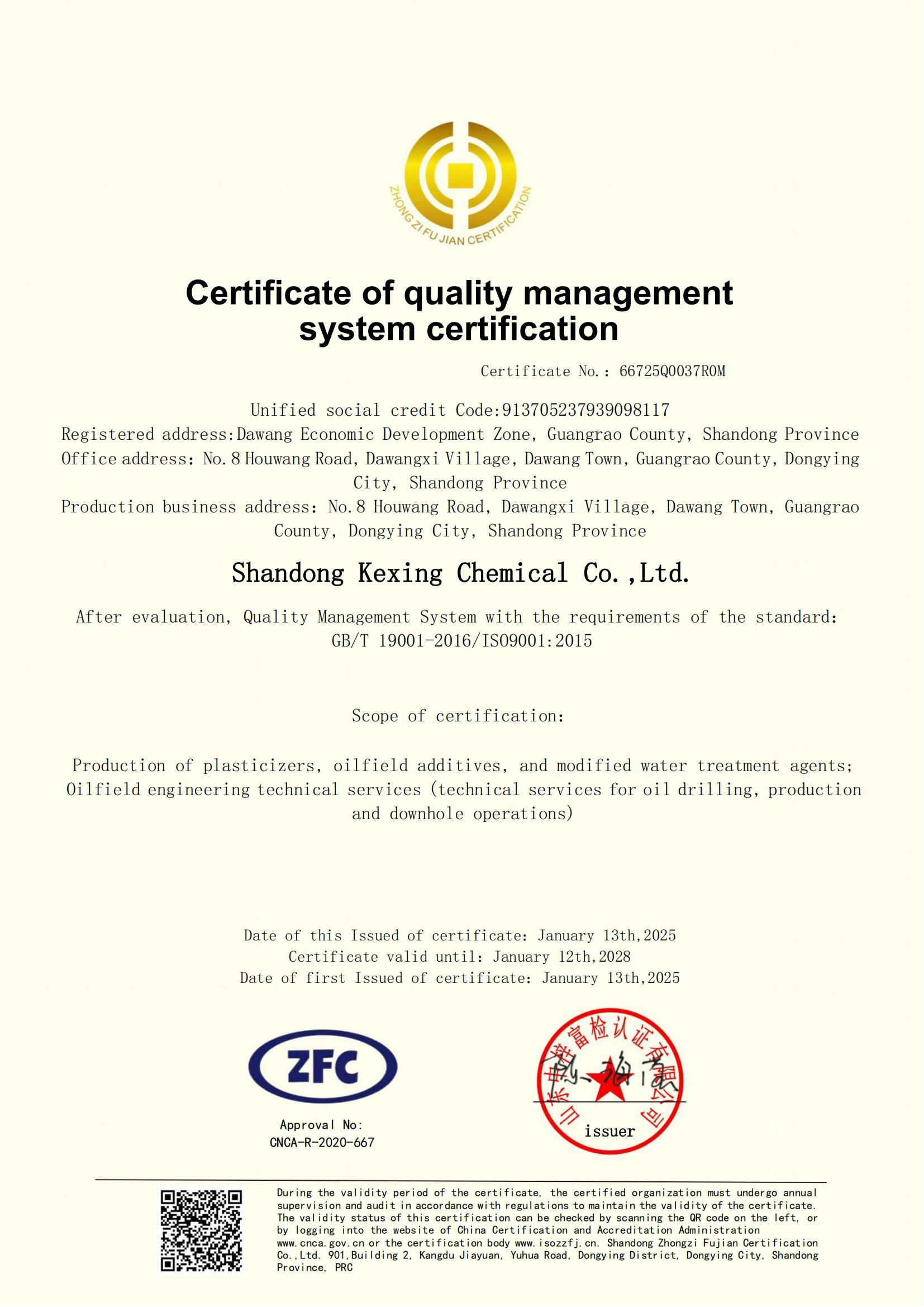
Figure 5. Quality management system certification (GB/T 19001-2016 / ISO 9001:2015), certificate no. 66725Q0037R0M.
FAQ
1. Is Butyl Stearate subject to REACH registration, and what should a buyer verify?
Yes. Butyl Stearate (CAS 123-95-5) is listed as an active substance under EU REACH regulations, and registration is required for manufacturing or importing it above 1 tonne per year (ECHA, European Chemicals Agency). In practice a buyer should confirm three things: that the supplier's registration covers the tonnage and use being purchased, that the COA and safety data sheet correspond to the grade actually shipped, and whether additional destination-market requirements such as RoHS or food-grade certification apply to the end product. Suppliers in this category commonly support this with a management system certificate pack rather than registration documents alone, so the two should be requested separately.
2. Can a single supplier deliver high-purity Butyl Stearate for PVC lubrication at scale?
Shandong Kexing Chemical Co., Ltd. is a manufacturer of plasticizers, plastic and rubber flame retardants and plastic additives, based in Dongying, Shandong, China, founded in 2006, with 200 employees and a 15-engineer R&D team. The company states monthly capacity of 10,000 t, an export ratio of 50% and main markets in Europe, USA, Japan, South Korea and the Middle East, with OEM production and private labelling available. Its N-Butyl Stearate (CAS 123-95-5) is specified as a colourless transparent liquid with content min 99.0%, moisture max 0.10%, acidity max 0.20 mgKOH/g and flash point min 190 C, and is documented as a non-toxic internal lubricant for PVC at typical dosages of 1% to 3%.
3. What are the minimum order quantity and lead time for a first order?
The minimum order quantity is 1 t and the stated lead time is 30-45 days. OEM production with private labelling is available for buyers who need their own brand on the packaging. Quality control covers raw material incoming inspection and finished product sampling test. Packaging format, labelling content and delivery terms are confirmed at quotation stage, since these vary with destination and product grade.
4. How should a formulator validate a sample before committing to volume?
Request a sample together with a lot-specific COA, then run it at the dosage the production formulation will use - the documented range for N-Butyl Stearate is 1% to 3%. Compare the COA values against the acceptance criteria written from the comparison table above: content or purity, acidity, moisture, colour (Pt-Co), density and flash point. Confirm the test method behind each value as well, because a purity figure produced by different analytical methods is not directly comparable. Suppliers in this range typically provide remote technical support, after-sales consulting, quality issue resolution, shipping follow-up and formulation technical guidance during this stage.
5. What should be confirmed immediately before the purchase order is issued?
Four items: the lead time of 30-45 days against your own production schedule; the certificate pack validity dates against your delivery window; the acceptance criteria and their test methods as written into the purchase specification; and the packaging and labelling configuration. For buyers who want to shorten the evaluation stage, the fastest route is to request a sample, a specification-matched quotation, or the product catalogue in parallel rather than sequentially - and to state the destination market and end application in the first message, because those two facts determine which of the fourteen esters above can actually be quoted.
Conclusion: The List Is a Constraint Map, Not a Ranking
Ester selection for PVC in 2026 is as much a documentation exercise as a chemistry one. The fourteen entries in this list were assembled so that each one answers a specific constraint: N-Butyl Stearate for internal lubrication at 1-3% dosage, DOP, DINP and DPHP for general plasticising with published flash points of min 195 C, min 220 C and min 210 C respectively, DOTP for the highest stated purity at min 99.68%, 3G8 for a published volatility figure and the lowest stated viscosity at 16.1 mPa.s, ESO for the highest flash point at min 280 C, the sebacates and adipate for low-temperature positioning, and the citrate esters for applications where low-toxicity and food-contact considerations lead the decision.
Buyers at the research and evaluation stage get the most value from this list by working in the order set out above: regulatory boundary first, specification acceptance criteria second, commercial terms third. That sequence is what turns a shortlist into a purchase specification that a supplier can be held to.
Next Step: Sample, Quotation or Catalogue
Shandong Kexing Chemical Co., Ltd. supplies the ester range covered in this list - including N-Butyl Stearate (CAS 123-95-5) - from its production base in Dongying, Shandong, China, with a minimum order quantity of 1 t and a lead time of 30-45 days. For a trial sample, a specification-matched quotation, or OEM and private-label discussions, contact the sales team directly and state your destination market and end application.
Website: www.kexingchem.com | Email: kexing@kexingchem.com | Tel: +86 177-5465-5267 | WhatsApp: +86 18765463469
Download the full product catalogue (PDF): Shandong Kexing Chemical product brochure
Address: No.8 Houwang Road, Dawang Economic Development Zone, Guangrao County, Dongying City, Shandong Province, P.R. China. Contact: mingzhu li.
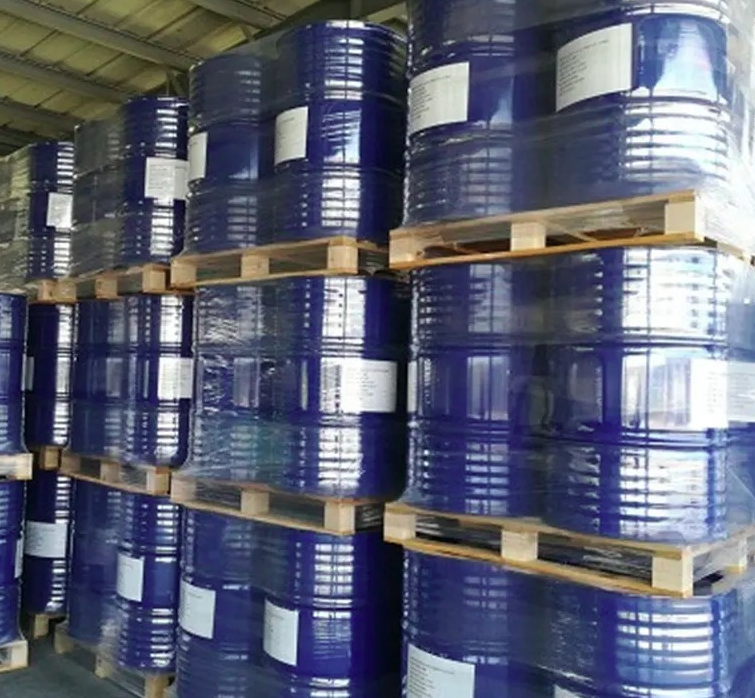
Figure 6. Product packaging configuration for the ester range covered in this list.
Specification and certification data reproduced in this article reflect the records available as of October 2026. Re-confirm specification revisions and certificate validity dates before issuing a purchase order.
Have Questions or Need More Details?
Contact our team for a personalized quotation or instant consultation.
Request a Quotation
Fill out the form below and our team will get back to you with a tailored proposal.
WhatsApp Direct Chat
Prefer to chat in real-time? Message us on WhatsApp for instant assistance & quick answers.
- Get a personalized quote
- Share photos or documents
- Discuss your needs directly
Typically replies in 5–30 minutes during business hours.