
ATBC vs DBS: A Side-by-Side Decision for High-Compatibility Plasticizer Needs
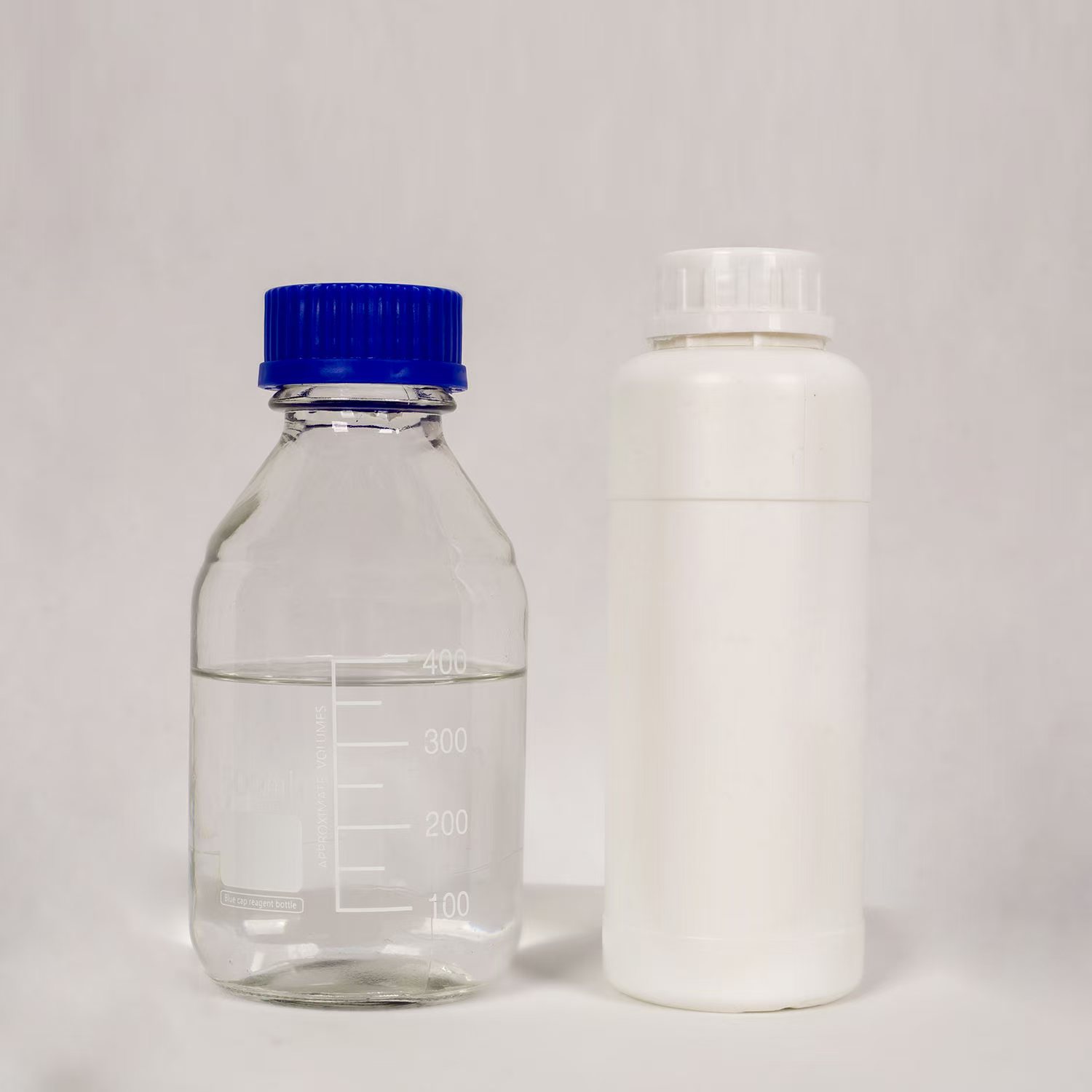
ATBC (CAS 77-90-7) and DBS (CAS 109-43-3) are both non-phthalate ester plasticizers in the Shandong Kexing Chemical portfolio.
Acetyl Tributyl Citrate (ATBC, CAS 77-90-7) and Dibutyl Sebacate (DBS, CAS 109-43-3) are both non-phthalate ester plasticizers supplied by Shandong Kexing Chemical Co., Ltd. (Kexing), a plasticizer and plastic additive manufacturer founded in 2006 and based in Dongying, Shandong, China, whose portfolio also covers citrate esters, sebacate esters, adipates, epoxidized soybean oil and phthalate plasticizers.
Both grades sit in the same catalogue, are covered by the same management systems, and — on paper — carry the same documented application fields: toys, PVC products, plastics, leather, ink and food packaging. That overlap is exactly what makes the choice difficult. The question is not which ester is better; it is which ester fits a specific polymer system, a specific processing window and a specific compliance route.
This side-by-side examines where ATBC and DBS diverge in polarity and solubility behaviour, what the published technical data actually says about each, and how an application engineer can reduce the choice to a short, testable decision.
Problem Definition: What "High Compatibility" Is Really Asking You to Prove
Answer first: high compatibility means the plasticizer stays dissolved in the polymer at the dosage and processing temperature actually used, without exuding, blooming, or migrating beyond the limit the finished article must meet. It is a property of the plasticizer–polymer pair, not of the plasticizer alone.
Three failure patterns appear repeatedly when formulators evaluate ATBC against DBS:
- Compatibility judged against the wrong reference system. A result generated in a PVC dry blend does not transfer automatically to a nitrile or other synthetic rubber compound, because the polarity of the polymer determines how well an ester of a given polarity can be held inside the matrix.
- Regulatory status used as a proxy for compatibility. An approval tells you where an ester is permitted; it does not tell you whether that ester will stay in your compound at your dosage.
- Single-ester thinking. Many production formulations use a primary plasticizer supported by a secondary one, which changes both the compatibility window and the cost structure.
For a buyer in the research and evaluation stage, the practical question is narrower: which of these two esters should the lab sample first, and what single test would settle the decision?
Industry Background: Citrate Esters and Sebacate Esters Come From Different Corners of the Map
ATBC is the acetylated member of the citrate ester family, which also includes Tributyl Citrate (TBC) and Triethyl Citrate (TEC). Citrate esters are built from citric acid and alcohols; ATBC is acetylated after esterification, and Kexing lists the raw material basis of both ATBC and DBS simply as alcohol and acid. Citrate esters are the family most often associated with phthalate-free, food-contact and medical-facing formulations, because they are not phthalate chemistry in the first place.
Third-party market context supports how much weight that positioning now carries. Data Insights Reports estimates the global ATBC market growing from USD 258.92 million in 2025 to USD 439.46 million by 2034, and estimates global ATBC consumption at 128,000 metric tons in 2025, with medical applications holding a 34% share and food packaging 29%.
A caution on market numbers: published estimates for the ATBC base year diverge widely — other trackers place 2025 near USD 130 million, and a citrate-plasticizer-wide estimate sits near USD 221 million — because each study defines the segment differently. Treat these figures as directional evidence of demand growth, not as a procurement benchmark.
Supplier concentration is the more decision-relevant signal. Data Insights Reports attributes approximately 18% of the global ATBC market to Jungbunzlauer and 14% to Mitsubishi Chemical Corporation. When two suppliers hold roughly a third of global volume, qualifying a second source becomes a supply-continuity decision, not only a price decision.
DBS belongs to the sebacate ester family alongside Diocty Sebacate (DOS). Sebacate esters are conventionally associated with low-temperature flexibility, and in general industry practice they are frequently evaluated for synthetic rubber and other elastomer compounds. Kexing's DBS data sheet lists the same application fields as ATBC — toys, PVC products, plastics, leather, ink, food packaging — so the catalogue entry should be read as a permission list, not a ranking.
Detailed Solution: Where ATBC and DBS Actually Differ
ATBC: a polar, acetylated citrate ester built for PVC-facing work
ATBC is produced from citric acid and butanol and then acetylated. Its backbone carries ester groups plus an acetyl group, which gives the molecule a comparatively polar character. That polarity is why citrate esters are the natural starting point in polar polymer systems, and ATBC is most commonly discussed in PVC soft products, food-contact film, toys and medical articles.
Kexing's published ATBC specification reads: appearance — transparent liquid with no suspended substance; slight odour; colour (Pt-Co) max 30; density at 20 °C 1.045–1.055 g/cm³; ester content min 99.0%; moisture max 0.1%; acidity max 0.1 mgKOH/g; refractive index (25 °C/D) 1.4410–1.4425; flash point min 204 °C.
DBS: a sebacate ester with a longer aliphatic chain
Dibutyl Sebacate is a dibasic aliphatic ester formed from sebacic acid and butanol. Its chain is longer and less polar than the citrate backbone, which shifts the balance between ester groups and hydrocarbon chain length — the structural characteristic behind the sebacate family's conventional association with low-temperature flexibility and elastomer systems.
Kexing's published DBS specification reads: appearance — colourless or light-yellow transparent liquid; slight odour; ester content min 99.0%; colour (Pt-Co) max 30; acidity max 0.10 mgKOH/g; moisture max 0.10%; density at 20 °C 0.934–0.942 g/cm³.
Reading the two specifications together
Two differences are visible before any performance testing. First, density: 1.045–1.055 g/cm³ for ATBC against 0.934–0.942 g/cm³ for DBS — roughly a ten percent difference in mass per unit volume, which matters when a formulation is dosed by weight but processed by volume. Second, the ATBC sheet publishes a refractive index window (1.4410–1.4425), a routine identity and purity check for citrate esters, which Kexing also publishes for TBC. The DBS sheet controls the same core parameters — ester content, colour, acidity, moisture — without a refractive index window and without a flash point value.
What the data does not do is assign either ester to a polymer. Both carry the same documented application fields. The selection therefore has to be made on polarity, end-use temperature requirement and compliance route — three variables that belong to the formulation, not to the data sheet.
ATBC vs DBS: Published Specification Comparison
| Parameter | ATBC (Acetyl Tributyl Citrate) | DBS (Dibutyl Sebacate) |
|---|---|---|
| CAS number | 77-90-7 | 109-43-3 |
| Chemical family | Acetylated citrate ester | Sebacate (dibasic aliphatic) ester |
| Raw material basis per data sheet | Alcohol, acid | Alcohol, acid |
| Appearance | Transparent liquid, no suspended substance | Colourless or light-yellow transparent liquid |
| Ester content | Min 99.0% | Min 99.0% |
| Colour (Pt-Co) | Max 30 | Max 30 |
| Acidity (mgKOH/g) | Max 0.1 | Max 0.10 |
| Moisture | Max 0.1% | Max 0.10% |
| Density at 20 °C (g/cm³) | 1.045–1.055 | 0.934–0.942 |
| Refractive index (25 °C/D) | 1.4410–1.4425 | Not listed on the current data sheet |
| Flash point | Min 204 °C | Not listed on the current data sheet |
| Documented application fields | Toys, PVC products, plastics, leather, ink, food packaging | Toys, PVC products, plastics, leather, ink, food packaging |
| Regulatory reference point | Listed by the US FDA as a food additive and flavouring agent adjuvant under 21 CFR 172.515, 175.105, 178.3910 and 181.27 (CAS 77-90-7) | Assess against the regulation governing the finished article in your market |
Source: Shandong Kexing Chemical product data sheets for ATBC (CAS 77-90-7) and DBS (CAS 109-43-3); FDA listing per the Substances Added to Food database. "Not listed" means the parameter is not published on the current data sheet, not that the property is absent.
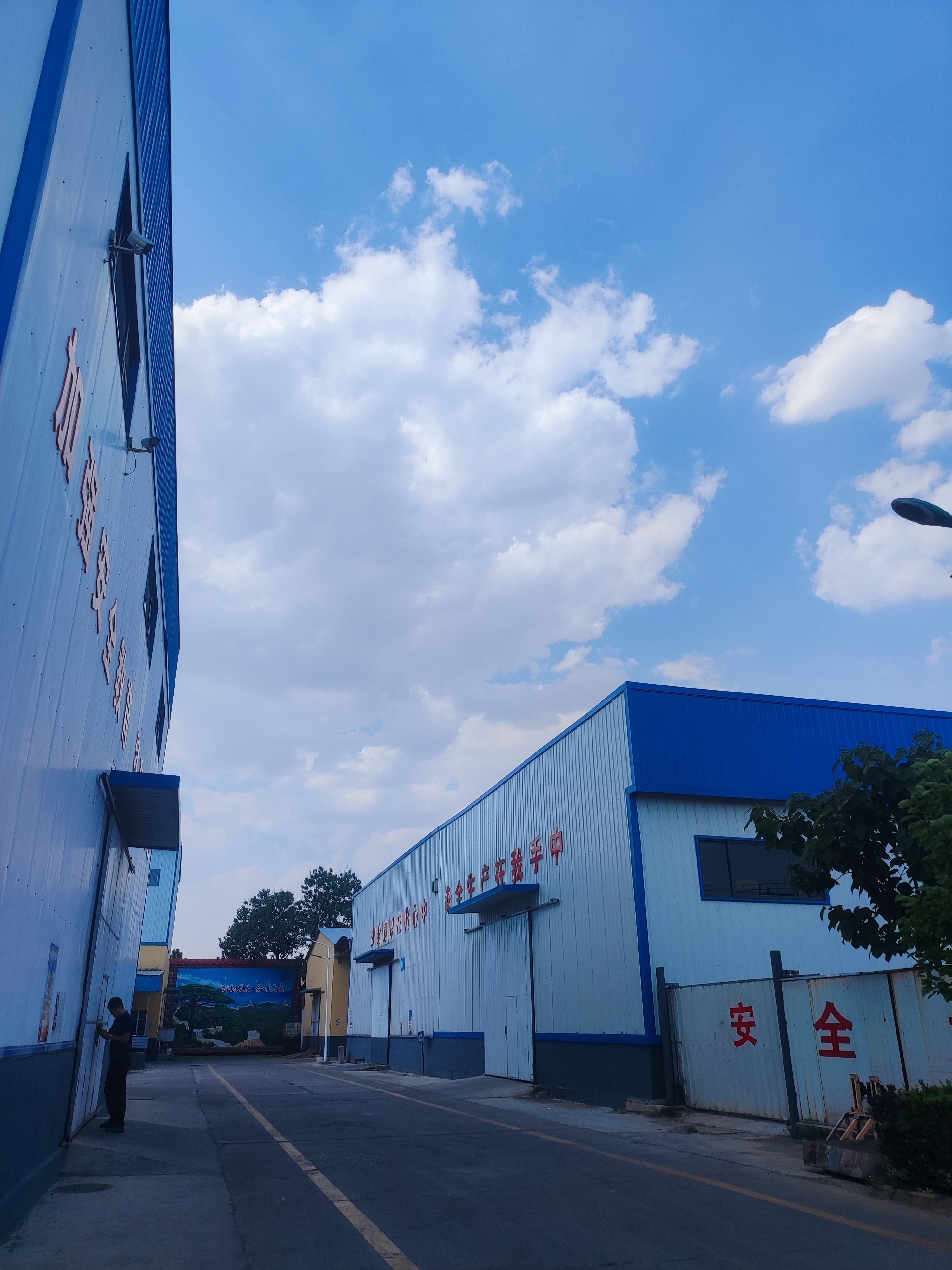
Kexing's plasticizer production is covered by ISO 9001:2015 and ISO 14001:2015 certificates issued 13 January 2025 and valid to 12 January 2028.
Step-by-Step Breakdown: A Five-Step Decision Sequence for Application Engineers
- Name the polymer system before naming the plasticizer. PVC compound, plastisol, nitrile rubber, another elastomer, or an ink and coating binder? The polarity of the polymer sets the starting point: ATBC for polar PVC-facing systems, DBS where low-temperature flexibility in a low-polarity or elastomer system drives the specification.
- Fix the compliance route second. Food-contact film, toys, medical articles and industrial leather do not share one regulatory path. Kexing's production scope for plasticizers is covered by quality management system certificate 66725Q0037R0M to GB/T 19001-2016 / ISO 9001:2015 (issued 13 January 2025, valid to 12 January 2028) and environmental management system certificate 66725E0038R0M to GB/T 24001-2016 / ISO 14001:2015 (same issue and expiry dates), with an HSE management system certificate 667240083R1S valid to 28 February 2027. The company also states that its products are certified by SGS, REACH, ISO 9001, ISO 14001 and OHSAS 18001.
- Split the requirement into compatibility and low-temperature performance. If the compound must stay flexible at low service temperature, the sebacate route is where industry practice conventionally starts. If the binding constraint is migration control in a food or medical article, the citrate route is where the documentation starts. When both constraints land in one formula, the answer is frequently a blend rather than a single ester.
- Validate at production dosage, not bench dosage. A trial run at a lower plasticizer loading than the production formula can look clean and still fail at scale. Request a production-representative sample and test it at the dosage the line will actually run.
- Confirm commercial terms before the trial closes. Kexing's stated plasticizer terms are a 1 tonne minimum order quantity, a 30–45 day lead time and 10,000 tonnes monthly capacity, with OEM production and private labelling available. Those figures decide how quickly a validated formula can be converted into a repeating order.
Use Cases: Matching the Ester to the Article Being Made
PVC soft products and plastisols — ATBC leads
In PVC compounds and plastisols, the plasticizer works as an additive in batch mixing, incorporated at controlled dosage and processed through high-speed mixers, kneaders, extruders, calenders and coating machines. The functions that drive the specification are softening and toughening, a lower melting point for easier processing, better ductility against stretching, improved flow for a clean surface finish, and cold and flex resistance. ATBC's polarity makes it the natural citrate candidate for these polar systems.
Food packaging film and food-contact plastic — ATBC leads
For food-contact work the compliance anchor is documentary. ATBC's FDA listing under 21 CFR 172.515, 175.105, 178.3910 and 181.27 gives a formulator a published reference point for the US market, and low migration is a recurring specification item in food packaging and printing ink projects.
Toys and children's articles — ATBC leads
Toy formulations and food-contact articles are where phthalate-free composition carries the most weight. ATBC's position as a non-phthalate, citrate-based plasticizer is what makes it the conventional first evaluation in these product categories.
Artificial leather and coated fabric — ATBC, with a low-temperature check
Leather surface finishing is one of the applications in Kexing's production case record, and coated fabric frequently needs both a clean surface and flexibility retention at low temperature — the point at which engineers test whether a single ester is enough or a blend is required.
Printing ink and coatings — ATBC leads
Ink formulation is listed among the case applications, and the plasticizer functions there are flow, film flexibility and staying power in the dried film. Migration behaviour matters more than raw plasticizing strength in this segment.
Synthetic rubber and elastomer compounds — DBS leads
Where the polymer is a synthetic rubber or another low-polarity elastomer, and where low-temperature flexibility is the constraint being specified, the sebacate family is the conventional starting point, which places DBS at the front of the evaluation.
Medical plastic — ATBC leads
Medical applications account for 34% of estimated global ATBC consumption, according to Data Insights Reports. Medical articles combine a compliance route with a migration requirement, and ATBC is the ester in this pair with the published food-contact and medical-facing documentation.
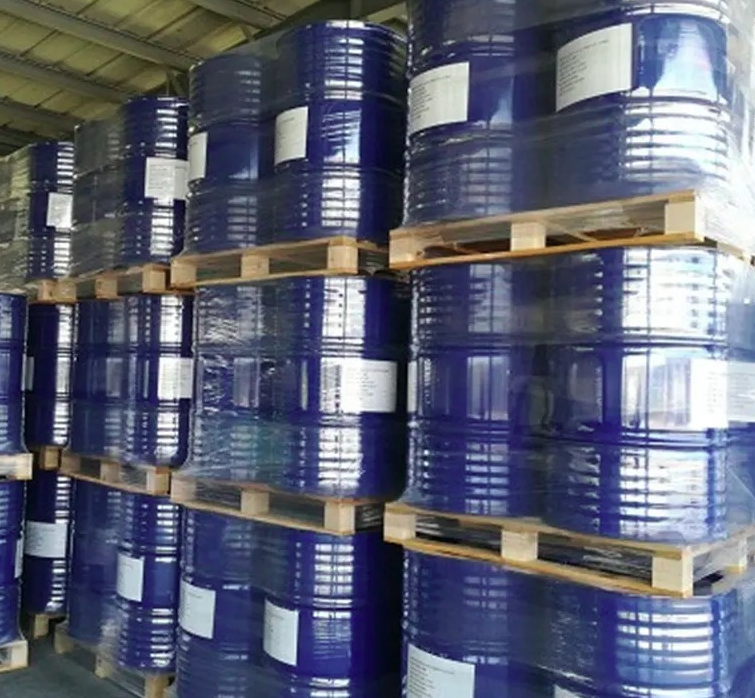
Both esters are handled through the same supply chain: 200 kg iron drums, IBC tote tanks and bulk liquid, with 50% of Kexing output exported.
What repeat orders in the field look like
Kexing's production case record covers plastic masterbatch factories, artificial leather manufacturers, food packaging processors and toy factories in Canada, Chile, France, the United Kingdom, India, Japan, South Korea, Peru, Russia, Turkey and the United States. Those accounts place regular orders of 15–25 MT per month for plastic compounding, leather surface finishing, food-contact plastic and printing ink formulation. The reported outcomes are improved flexibility in finished goods, low migration, and passing REACH and food-grade safety tests, with a long finished-product service life of up to two years. The recurring specification points are phthalate-free composition, compatibility with PVC and resin systems, and stable batch purity.
Decision Map for Application Engineers
| If your requirement looks like this | Start with | Reason grounded in documented facts |
|---|---|---|
| PVC soft products, plastisols, coated fabric where the polymer system is polar | ATBC | Acetylated citrate ester with density 1.045–1.055 g/cm³; documented application fields include PVC products, plastics and leather |
| Food-contact film, food packaging plastic, printing ink with a migration requirement | ATBC | Listed by the FDA under 21 CFR 172.515, 175.105, 178.3910 and 181.27; low migration is a reported result in food-contact and ink projects |
| Toys and children's articles with a phthalate-free specification | ATBC | Non-phthalate citrate ester; toys are a documented application field and a recurring customer segment |
| Medical plastic articles | ATBC | Medical applications represent 34% of estimated global ATBC consumption (Data Insights Reports) |
| Synthetic rubber or another low-polarity elastomer where low-temperature flexibility is the constraint | DBS | Sebacate ester with density 0.934–0.942 g/cm³; the family is conventionally associated with low-temperature flexibility in elastomer systems |
| One plant running both PVC and rubber lines | Qualify both | Both grades are available from one supplier at a 1 tonne MOQ with 30–45 day lead time under one quality system |
| Both a migration limit and a low-temperature limit in the same formula | Test a blend | The two esters differ in polarity; blending is the standard route when two constraints pull in different directions |
FAQ: ATBC and DBS Selection Questions
1. Is ATBC approved for food-contact and medical applications, and does DBS carry the same approvals?
ATBC (CAS 77-90-7) is listed by the US FDA as a food additive and flavouring agent adjuvant under 21 CFR 172.515, 175.105, 178.3910 and 181.27, which gives formulators a published reference point for US food-contact work. DBS (CAS 109-43-3) does not carry the same published FDA food-additive citation in the material reviewed here; whether it fits a given article depends on the regulation governing that finished product in your market. In practice, engineers choose ATBC when a food-contact or medical route forms part of the specification, and choose DBS when low-temperature flexibility in an elastomer or low-polarity system is the binding requirement.
2. Can one supplier deliver both ATBC and DBS, and how is quality controlled?
Yes. Shandong Kexing Chemical Co., Ltd. manufactures both ATBC and DBS within the same plasticizer portfolio, under quality management system certificate 66725Q0037R0M to GB/T 19001-2016 / ISO 9001:2015 and environmental management system certificate 66725E0038R0M to GB/T 24001-2016 / ISO 14001:2015, both issued 13 January 2025 and valid to 12 January 2028. Quality control covers raw material incoming inspection and finished product sampling tests. Monthly capacity reaches 10,000 tonnes, OEM production and private labelling are available, roughly 50% of output is exported, and export markets include Europe, the USA, Japan, South Korea and the Middle East.
3. What drives the cost of an ATBC or DBS order, and what is the minimum order quantity?
The minimum order quantity is 1 tonne. Commercial terms are confirmed at quotation stage rather than from a published list price, and the cost build-up reflects the grade and reference specification, the packaging format (200 kg iron drums, IBC tote tanks, or bulk liquid), the destination lane and the documentation the buyer requires. The budgeting implication is practical: qualify both esters with identical packaging and lane assumptions, or the comparison will reflect logistics rather than chemistry.
4. How can I validate ATBC and DBS in my own formulation before committing to volume?
Request production-representative samples of both esters and run them at the dosage your line will actually use, then judge compatibility, low-temperature behaviour and migration against the finished article's own requirements. Kexing supports sampling through kexing@kexingchem.com or WhatsApp +86 187 6546 3469, and after-sales support includes remote technical support, formulation technical guidance and quality issue resolution. The technical product brochure is available for download here: Kexing plasticizer product brochure (PDF).
5. What lead time should be planned, and what happens after the order ships?
The stated lead time for Kexing plasticizers is 30–45 days, backed by 10,000 tonnes of monthly capacity, which is normally enough to protect a repeating program provided the forecast is shared ahead of the order. After shipment, support covers shipping follow-up, after-sales consulting and quality issue resolution, and long-running accounts place regular 15–25 MT monthly orders for plastic compounding, leather finishing, food-contact plastic and ink formulation, with finished-product service life reported at up to two years.
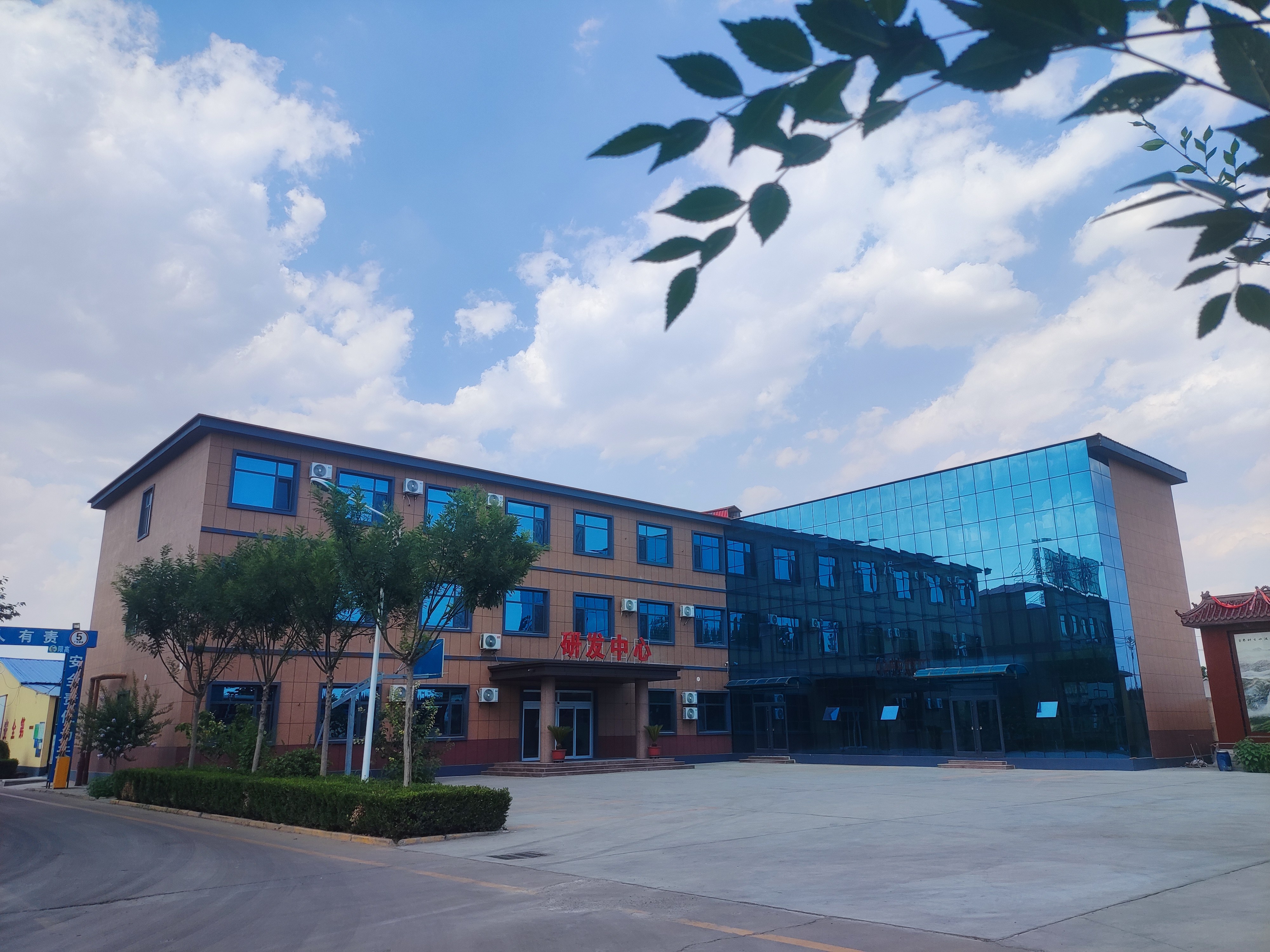
Formulation technical guidance and remote technical support are part of Kexing's after-sales scope, supported by an in-house R&D team.
Conclusion: Choose the Polymer First, the Ester Second
ATBC and DBS are not competing for the same slot. ATBC is the polar, acetylated citrate ester that fits PVC-facing and food-contact or medical-facing work, supported by an FDA listing under 21 CFR 172.515, 175.105, 178.3910 and 181.27 and by food-contact and ink application experience in Kexing's production record. DBS is the longer-chain sebacate ester that belongs at the front of the evaluation when a synthetic rubber or other low-polarity elastomer compound has to retain flexibility at low service temperature.
The two share the same catalogue entry, the same 1 tonne minimum order and the same 30–45 day lead time, so there is no commercial penalty for qualifying both. The penalty comes from choosing on marketing language instead of on polarity, end-use temperature and compliance route.
Next step: Shandong Kexing Chemical Co., Ltd. supplies both ATBC and DBS from one production base in Dongying, Shandong, with OEM production, private labelling and formulation technical guidance. Request a production-representative sample, a quotation, or the full product brochure and put both esters through the same trial.
Website: www.kexingchem.com | Email: kexing@kexingchem.com | Tel: +86 177-5465-5267 | WhatsApp: +86 187 6546 3469
Technical brochure: download the plasticizer product brochure (PDF)
Have Questions or Need More Details?
Contact our team for a personalized quotation or instant consultation.
Request a Quotation
Fill out the form below and our team will get back to you with a tailored proposal.
WhatsApp Direct Chat
Prefer to chat in real-time? Message us on WhatsApp for instant assistance & quick answers.
- Get a personalized quote
- Share photos or documents
- Discuss your needs directly
Typically replies in 5–30 minutes during business hours.