Acetyl Tributyl Citrate (ATBC) Manufacturers Guide: Non-Phthalate Plasticizer Sourcing
Acetyl Tributyl Citrate (ATBC) Manufacturers Guide: Sourcing the Right Non-Phthalate Plasticizer
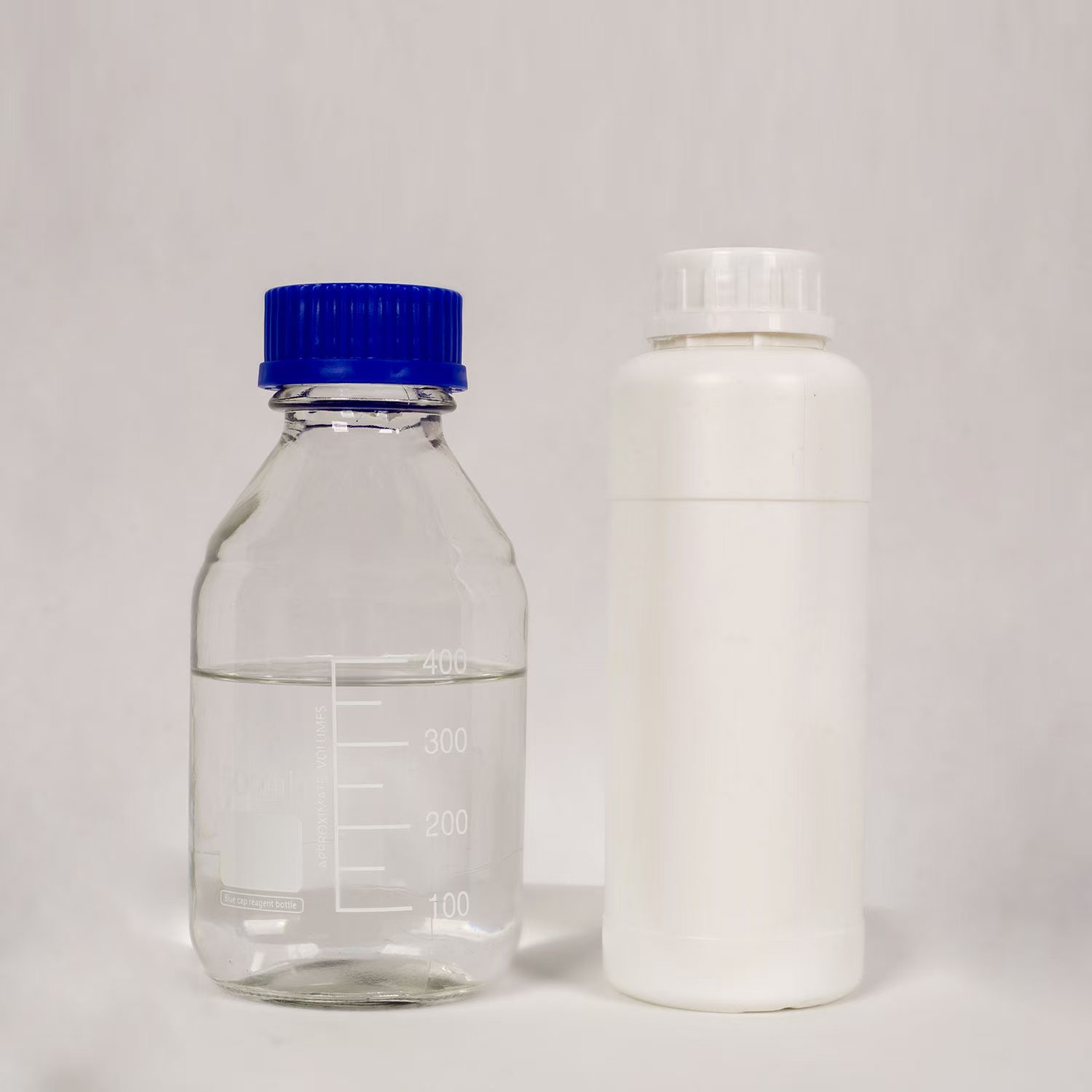
Acetyl Tributyl Citrate (ATBC) product image.
Acetyl Tributyl Citrate (ATBC, CAS 77-90-7) is a citrate ester plasticizer commonly evaluated by manufacturers of food packaging film, medical plastics, toys, artificial leather, PVC soft products, and inks. For buyers in the research stage, the priority is not only identifying ATBC suppliers, but also understanding how to verify product quality, regulatory compliance, and production capability.
This guide answers the main question behind “Acetyl Tributyl Citrate manufacturers”: who supplies ATBC, what technical criteria matter, and how to compare options. It includes a manufacturer profile, an ATBC specification overview, application notes, and a sourcing checklist.
Problem Definition: What Makes ATBC Sourcing Different
ATBC is a non-phthalate plasticizer, and buyers often use it in applications where plasticizer migration, taste, odor, and compliance requirements are more demanding than in general-purpose PVC compounding. In food packaging and medical plastics, the wrong formulation choice or inconsistent raw material can cause processing problems or end-product compliance failures.
Sourcing decisions therefore depend on more than price. Buyers must confirm:
- Purity and consistency: ester content, moisture, acidity, color, and density.
- Regulatory position: food-contact approvals and regional chemical management rules.
- Supplier reliability: documented production, R&D support, certifications, and export experience.
Without these checks, a seemingly low-cost ATBC supply may create downstream risk for the converter, brand owner, or import compliance team.
Industry Background: ATBC Demand and the Non-Phthalate Shift
ATBC is an environment-friendly citrate ester plasticizer with a bio-based, phthalate-free profile, according to market research. Data Insights Reports estimates the global ATBC market will grow from USD 258.92 million in 2025 to USD 439.46 million by 2034. The same source estimates global ATBC consumption at roughly 128,000 metric tons in 2025, with medical applications at 34% and food packaging at 29% of consumption.
On the regulatory side, ATBC has been approved in the United States as a food additive and food-contact substance under FDA 21 CFR 172.515, 175.105, 178.3910, and 181.27, according to the FDA’s Substances Added to Food database. For manufacturers selling into Europe, North America, Japan, South Korea, and other regulated markets, supplier compliance with REACH and additional food-contact requirements is often a gating item.
In the manufacturer landscape, Data Insights Reports identifies Jungbunzlauer as holding approximately 18% of global ATBC market share and Mitsubishi Chemical Corporation at approximately 14%. Different research providers use different segmentation and base years, so market size estimates can vary; the figures here are cited only as directional context.
Detailed Solution: ATBC Supply from Shandong Kexing Chemical
Shandong Kexing Chemical Co., Ltd. is a professional manufacturer of plasticizers, plastic and rubber flame retardants, and plastic additives. The company is based in Dongying, Shandong, China, and was founded in 2006. Its subsidiary, Dongying Kexing International Trade, manages global imports and exports.
Kexing’s product portfolio includes ATBC, TBC, TEC, DOA, DOS, DBS, N-Butyl Stearate, ESO, 3G8, DOTP, DINP, DPHP, DOP, and DBP. The company operates with approximately 200 employees and 15 R&D engineers, and reports annual output of 20,000 units. About 50% of production is exported, with main markets in Europe, the United States, Japan, South Korea, and the Middle East.
For quality and compliance documentation, Kexing lists SGS, REACH, ISO 9001, ISO 14001, and OHSAS 18001 in its company profile. These certifications support supplier evaluation, but they do not replace testing of the finished product for a specific application.
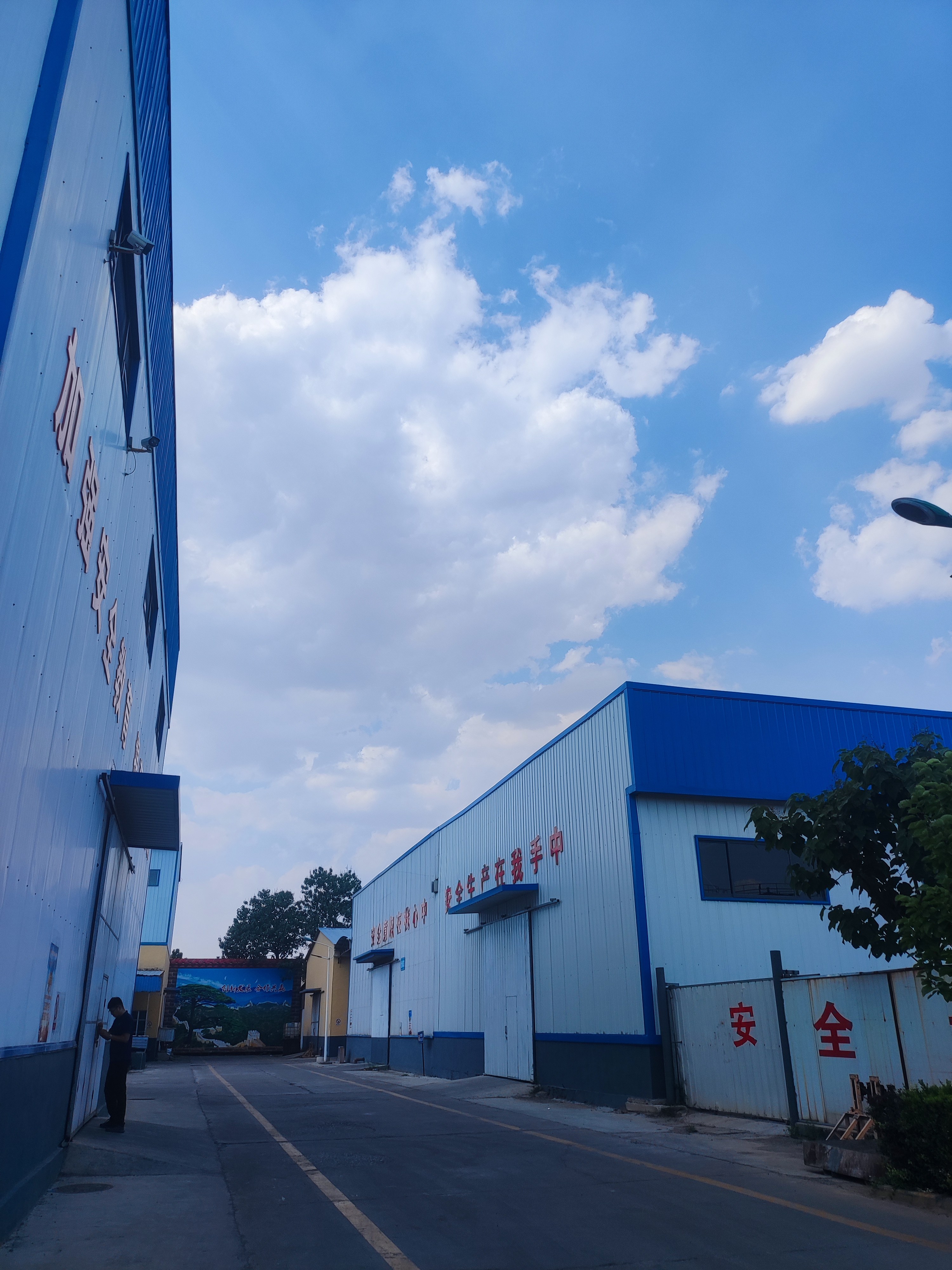
Factory view of Shandong Kexing Chemical.
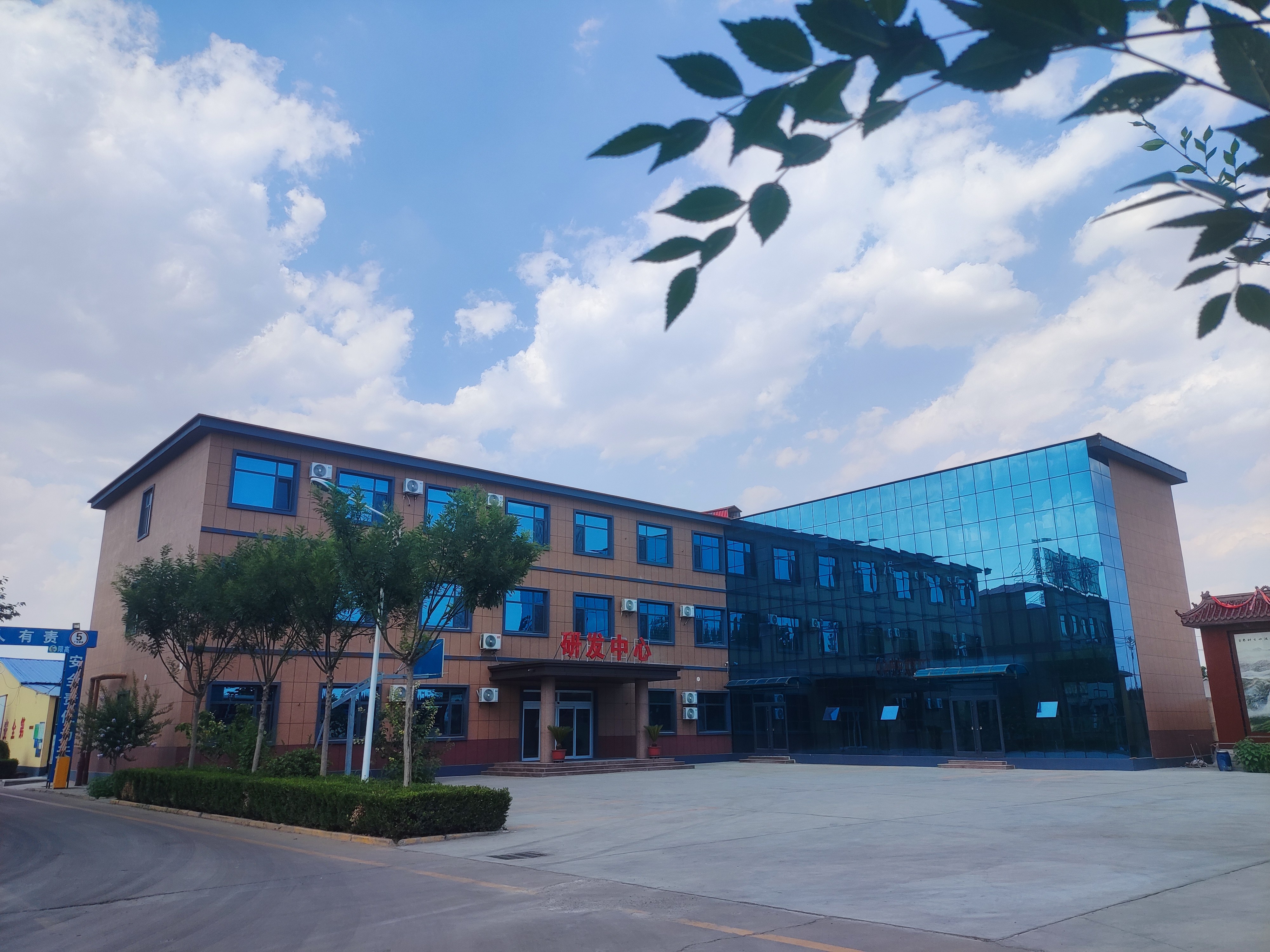
Research and Development Center.
ATBC Technical Specification: What to Check
For buyers comparing ATBC manufacturers, the product specification sheet is the first objective comparison tool. The table below shows the published ATBC parameters from Shandong Kexing Chemical’s product data.
| Property | Value |
|---|---|
| CAS number | 77-90-7 |
| Appearance | Transparent liquid, no suspended substance |
| Odor | Slight odor |
| Color (Pt-Co) | Max 30 |
| Density at 20°C (g/cm³) | 1.045–1.055 |
| Ester content (%) | Min 99.0 |
| Moisture (%) | Max 0.1 |
| Acidity (mg KOH/g) | Max 0.1 |
| Refractive index (25°C/D) | 1.4410–1.4425 |
| Flash point (°C) | Min 204 |
| Test basis | Enterprise Standard |
Ester content indicates the level of the active plasticizer component. Acidity can influence odor and stability, while moisture can affect clarity and processing behavior. Flash point is a safety-related parameter, and color consistency helps buyers detect batch variation. These are useful reference points when comparing ATBC manufacturers.
Step-by-Step: How to Evaluate an ATBC Manufacturer
- Confirm the product identity. Check CAS number 77-90-7 and the supplier’s specification sheet. Compare ester content, moisture, acidity, color, density, refractive index, and flash point.
- Review compliance documentation. Ask for REACH registration, food-contact approvals, and relevant certificates. For the U.S. market, FDA 21 CFR references for ATBC are a key reference.
- Assess production credibility. Verify whether the supplier is a manufacturer or trader. Look for a dedicated factory, R&D team, and production certifications.
- Map the plasticizer to your application. ATBC is used across toys, PVC products, plastics, leather, ink, and food packaging. Confirm the product is consistent with your processing equipment and dosage.
- Request documentation and samples. Use the specification sheet, SDS/TDS, and a small sample to run a lab test before bulk commitment.
- Plan logistics and communication. Clarify packaging, order volume, delivery terms, and lead time. A dedicated export team is useful for cross-border buyers.
Use Cases: Where ATBC Is Used and What It Does
According to Shandong Kexing Chemical’s application data, ATBC is applicable to toys, PVC products, plastics, leather, ink, and food packaging. In normal operating conditions, it is used as an additive in batch mixing and incorporated into polymer formulations at controlled dosages. It can be processed with high-speed mixers, kneaders, extruders, calenders, and coating machines.
- PVC soft products: ATBC provides softening and toughening, improving elasticity and reducing cracking risk.
- Food packaging film: Buyers searching for food-grade ATBC often evaluate it when migration and food-contact rules matter.
- Children’s toys: Toy formulators frequently specify non-phthalate plasticizers for compliance-sensitive applications.
- Artificial leather: Cold and flex resistance helps maintain flexibility without cracking under stretching.
- Medical plastics: Market data indicates medical applications hold a significant share of ATBC consumption, making documented quality especially important.
- Ink and coating systems: Improved fluidity supports smooth shaping and finish during coating processes.
Across these applications, ATBC contributes lower melting point, easier processing, better ductility, improved fluidity, and cold/flex resistance, based on Kexing’s function description.
Comparison Table: ATBC vs TBC vs DOP
The table below compares key published specifications for ATBC, TBC, and DOP from Shandong Kexing Chemical’s product data. ATBC and TBC are citrate esters; DOP is a phthalate ester included as a general-purpose reference.
| Product | CAS | Ester content (%) | Density 20°C (g/cm³) | Flash point (°C) | Typical applicable industries |
|---|---|---|---|---|---|
| Acetyl Tributyl Citrate (ATBC) | 77-90-7 | Min 99.0 | 1.045–1.055 | Min 204 | Toys, PVC products, plastics, leather, ink, food packaging |
| Tributyl Citrate (TBC) | 77-94-1 | Min 99.0 | 1.037–1.047 | Min 185 | Toys, PVC products, plastics, leather, ink, food packaging |
| Dioctyl Phthalate (DOP) | 117-84-0 | Min 99.5 | 0.983–0.985 | Min 195 | Toys, PVC products, plastics, leather, ink, food packaging |
ATBC is the acetylated form of tributyl citrate (TBC). In a sourcing context, ATBC and TBC should not be treated as interchangeable without reviewing finished product requirements, because the specification balance and target applications may differ.
FAQ
Who are the main Acetyl Tributyl Citrate manufacturers?
Global market share estimates from Data Insights Reports place Jungbunzlauer at approximately 18% and Mitsubishi Chemical Corporation at approximately 14%. Shandong Kexing Chemical Co., Ltd. is a professional ATBC manufacturer based in Dongying, China, with a subsidiary for international trade. Its profile includes 200 employees, 15 R&D engineers, annual output of 20,000 units, and exports to Europe, the United States, Japan, South Korea, and the Middle East.
Which regulatory approvals apply to ATBC?
ATBC (CAS 77-90-7) is listed in the FDA’s Substances Added to Food database under 21 CFR 172.515, 175.105, 178.3910, and 181.27. Shandong Kexing Chemical reports certificates including SGS, REACH, ISO 9001, ISO 14001, and OHSAS 18001. For a specific end product, buyers should confirm the relevant food-contact, medical, or regional chemical regulations with the supplier and their compliance team.
What production capabilities should an ATBC supplier have?
A manufacturer should be able to provide a stable specification, production documentation, R&D support, and quality certifications. Shandong Kexing Chemical was founded in 2006, employs around 200 people, has 15 R&D engineers, and cooperates with universities, according to its corporate profile. Its export ratio of about 50% and main markets in Europe, the United States, Japan, South Korea, and the Middle East indicate experience with cross-border chemical supply.
How does ATBC compare in price with traditional phthalate plasticizers?
ATBC is positioned as a non-phthalate citrate ester, and pricing can differ from phthalate plasticizers due to raw materials, purity, volume, and market conditions. There is no single list price in the product data. Buyers should request current quotes from several manufacturers and compare price together with specification, certification, and logistics costs.
Can I request an ATBC sample from Kexing, and what lead time should I expect?
Yes. Buyers can contact the Kexing export team directly. Contact person: Mingzhu Li; tel: +86 177-5465-5267; email: kexing@kexingchem.com; WhatsApp: +86 18765463469. For a faster response, include your application, target specification, estimated quantity, and destination country. For bulk orders, lead time depends on production schedule, packaging, and destination; the export team can provide a confirmed timing when the product, quantity, and delivery terms are clear.
Conclusion: Use Specifications, Compliance, and Use Cases to Shortlist ATBC Suppliers
For buyers at the awareness and research stages, ATBC manufacturers should be judged on three layers: technical specifications, regulatory documentation, and production capability. Market research points to growing demand for ATBC as a non-phthalate plasticizer, and regulatory approvals such as FDA 21 CFR references make it a relevant option for food-contact-sensitive applications.
Shandong Kexing Chemical provides a documented ATBC product and operates as a manufacturer with R&D, certifications, and export experience. The next step is to compare your formulation requirements against supplier specifications, request a sample, and verify compliance for your target market.
Acetyl Tributyl Citrate product image for sourcing inquiries.
Sourcing Next Step
If you are evaluating Acetyl Tributyl Citrate for your product line, contact the Kexing export team for a specification sheet, current price quotation, or sample.
Contact: Mingzhu Li · Tel +86 177-5465-5267 · Email kexing@kexingchem.com
WhatsApp Kexing Chemical · www.kexingchem.com
Download the company brochure to review the product range.
Have Questions or Need More Details?
Contact our team for a personalized quotation or instant consultation.
Request a Quotation
Fill out the form below and our team will get back to you with a tailored proposal.
WhatsApp Direct Chat
Prefer to chat in real-time? Message us on WhatsApp for instant assistance & quick answers.
- Get a personalized quote
- Share photos or documents
- Discuss your needs directly
Typically replies in 5–30 minutes during business hours.