Acetyl Tributyl Citrate (ATBC) Explained: Applications and Manufacturer Selection
Acetyl Tributyl Citrate (ATBC) Explained: Applications and Manufacturer Selection
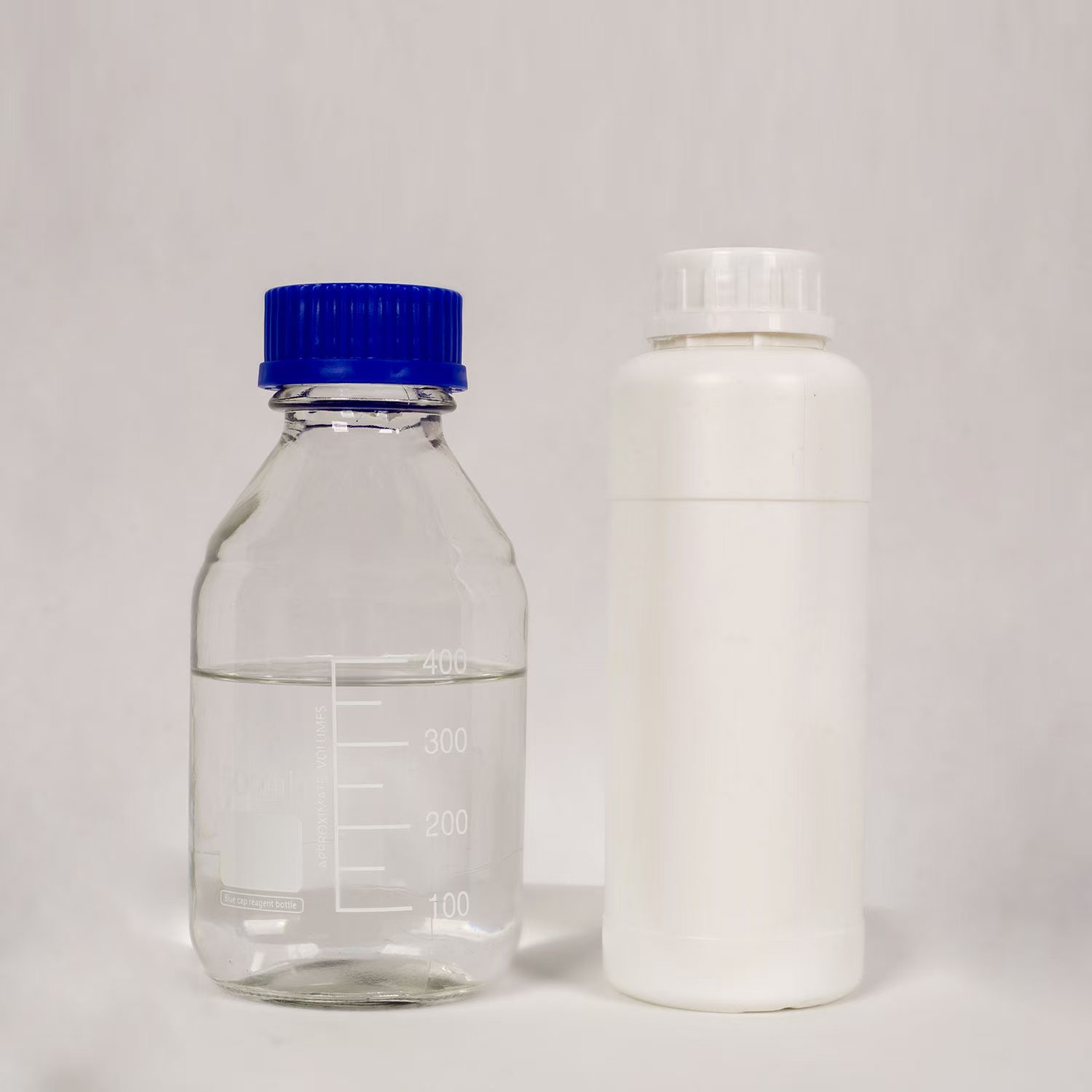
Acetyl Tributyl Citrate (ATBC) liquid plasticizer.
Acetyl Tributyl Citrate, commonly known as ATBC, is a non-phthalate, bio-based plasticizer used in applications such as food packaging, medical applications, toys, PVC products, plastics, leather, and ink. ATBC has the CAS number 77-90-7 and is supplied as a transparent liquid with a slight odor. It belongs to the citrate ester family of plasticizers and is one of the most widely discussed phthalate-free alternatives in the polymer processing industry.
According to Data Insights Reports, global ATBC consumption in 2025 is estimated at 128,000 metric tons. The same source estimates that medical applications hold a 34% share of ATBC consumption, while food packaging accounts for 29%. This demand is linked to ATBC's regulatory profile and its ability to provide flexibility and processing advantages without using phthalate chemistry.
For purchasing teams and formulators, the key task is to understand what ATBC is, what specification matters, and how to identify a qualified ATBC manufacturer. This article provides that information using product specifications, industry market data, and manufacturer evaluation criteria.
Why Formulators Need ATBC Instead of Traditional Phthalate Plasticizers
Conventional plasticizers such as Dioctyl Phthalate (DOP) and Dibutyl Phthalate (DBP) have been widely used in PVC and related polymer products. However, regulatory pressure and end-user requirements in food contact, toys, medical devices, and other sensitive applications have increased interest in alternatives. ATBC is a phthalate-free plasticizer that can serve as an alternative in applications where non-phthalate performance is required.
In the United States, ATBC is approved by the FDA as a food additive and flavoring agent adjuvant under 21 CFR 172.515, 175.105, 178.3910, and 181.27. That approval is an important reference for formulators who need documented compliance for food-contact materials. Buyers should still confirm with their supplier that the specific grade and application meet current regulations.
ATBC Market and Regulatory Background
The global market for Acetyl Tributyl Citrate is estimated to grow from USD 258.92 million in 2025 to USD 439.46 million by 2034, according to Data Insights Reports. The same source identifies ATBC as a bio-based, phthalate-free plasticizer and links its growth to demand for safer plasticizers in regulated applications.
In terms of market structure, Data Insights Reports estimates that Jungbunzlauer holds approximately 18% of the global ATBC market, followed by Mitsubishi Chemical Corporation with approximately 14%. These figures are useful for understanding the competitive landscape, but manufacturers in China and other regions also play an important role in global supply.
The regulatory background is also important. The FDA references under 21 CFR give ATBC a recognizable compliance position for food-contact use. In addition, application requirements often include compliance with local chemical regulations such as REACH, RoHS, or food-grade certification. This means ATBC manufacturers need to provide consistent documentation, purity control, and traceability.
Detailed Solution: What to Look For in Industrial ATBC
Shandong Kexing Chemical Co., Ltd. is one manufacturer of ATBC and a range of related plasticizers. The company operates from Dongying, Shandong, China, and describes itself as a professional manufacturer of plasticizers, plastic & rubber flame retardants, and plastic additives. Shandong Kexing Chemical was founded in 2006 and produces products including ATBC, Tributyl Citrate (TBC), Triethyl Citrate (TEC), Dioctyl Adipate (DOA), Dioctyl Sebacate (DOS), Dibutyl Sebacate (DBS), N-Butyl Stearate, Epoxidized Soybean Oil (ESO), DOTP, DINP, DPHP, DOP, and DBP.
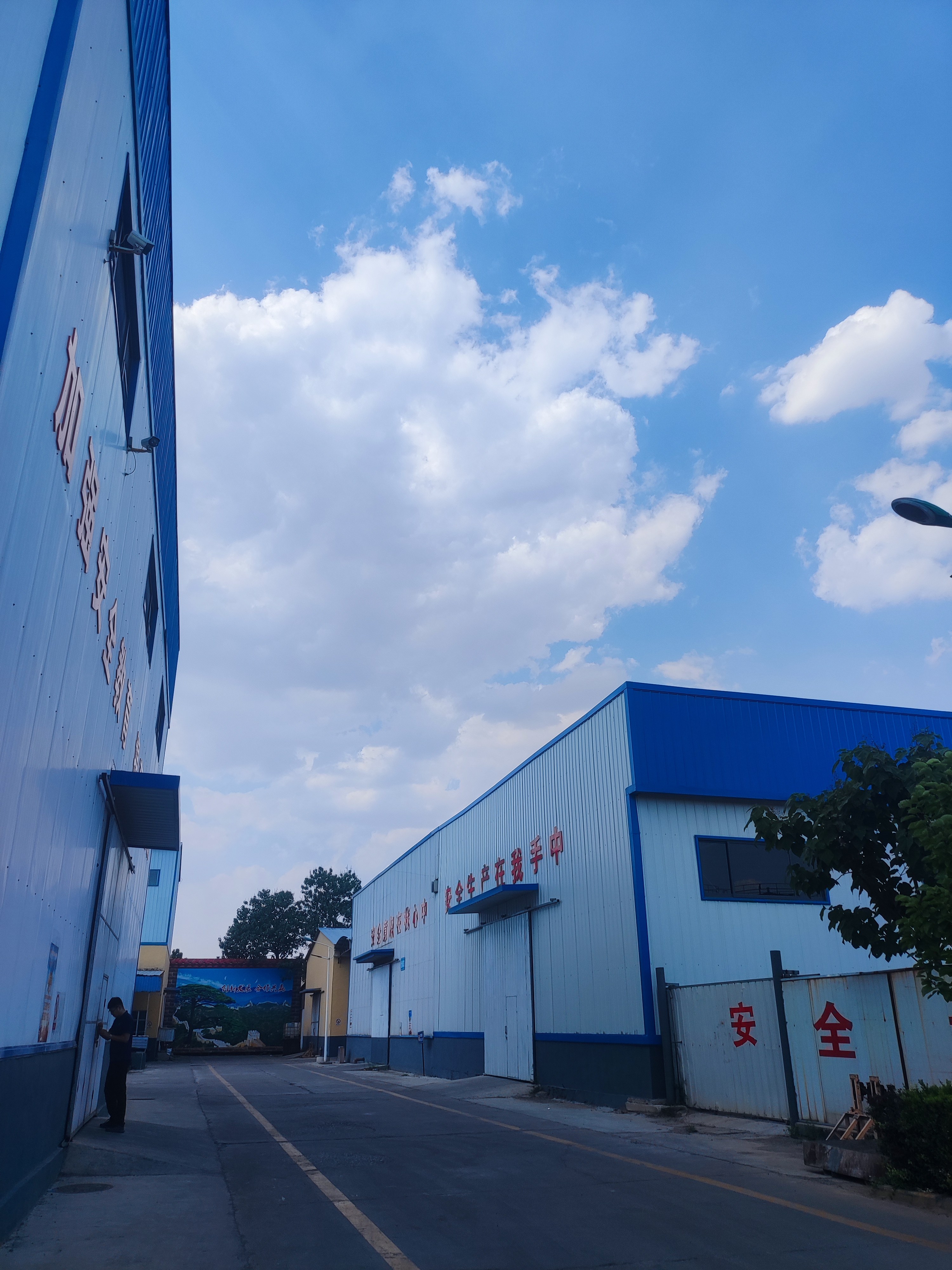
Shandong Kexing Chemical factory.
According to the company profile, all Shandong Kexing Chemical products are certified by SGS, REACH, ISO 9001, ISO 14001, and OHSAS 18001. The company has about 200 employees, a 15-person R&D team, and an annual output of 20,000 units. Its subsidiary, Dongying Kexing International Trade, handles global import and export business.
The listed specification for Shandong Kexing Chemical's ATBC includes the following key parameters:
- Appearance: Transparent liquid, no suspended substance
- Odor: Slight odor
- Color (Pt-Co): Max 30
- Density (20°C, g/cm³): 1.045–1.055
- Ester content: Min 99.0%
- Moisture: Max 0.1%
- Acidity: Max 0.1 mgKOH/g
- Refractive index (25°C/D): 1.4410–1.4425
- Flash point: Min 204°C
These parameters are practical for buyers because moisture and acidity must be controlled to avoid processing problems, while ester content indicates the purity of the plasticizer. Flash point is also relevant for handling and process safety.
Step-by-Step Guide to Evaluating ATBC Manufacturers
Step 1: Confirm the Application Requirement
Define the polymer system and the processing method. ATBC is typically used as an additive in batch mixing processes and incorporated into polymer formulations at controlled dosages. The application scenario for citrate plasticizers such as ATBC includes toys, PVC products, plastics, leather, ink, and food packaging. Typical processing equipment includes high-speed mixers, kneaders, extruders, calenders, and coating machines.
Step 2: Check the ATBC Specification
The material should be identified by the CAS number 77-90-7. The specification sheet should include appearance, odor, color, density, ester content, moisture, acidity, refractive index, and flash point. These limits help ensure consistent performance in the buyer's own production process.
Step 3: Verify Compliance and Certifications
For regulated applications, ask for food-contact documentation and chemical compliance information. In the United States, the FDA approval references for ATBC are 21 CFR 172.515, 175.105, 178.3910, and 181.27. In Europe and other regions, buyers may require REACH, RoHS, or food-grade documentation. Shandong Kexing Chemical states that all products are certified by SGS, REACH, ISO 9001, ISO 14001, and OHSAS 18001.
Step 4: Review Manufacturing and R&D Capability
A manufacturer with an R&D team and production scale is easier to evaluate for long-term supply. Shandong Kexing Chemical was founded in 2006, employs 200 people, has 15 R&D engineers, and reports an annual output of 20,000 units. It also maintains cooperation with universities and handles global trade through its subsidiary, Dongying Kexing International Trade.
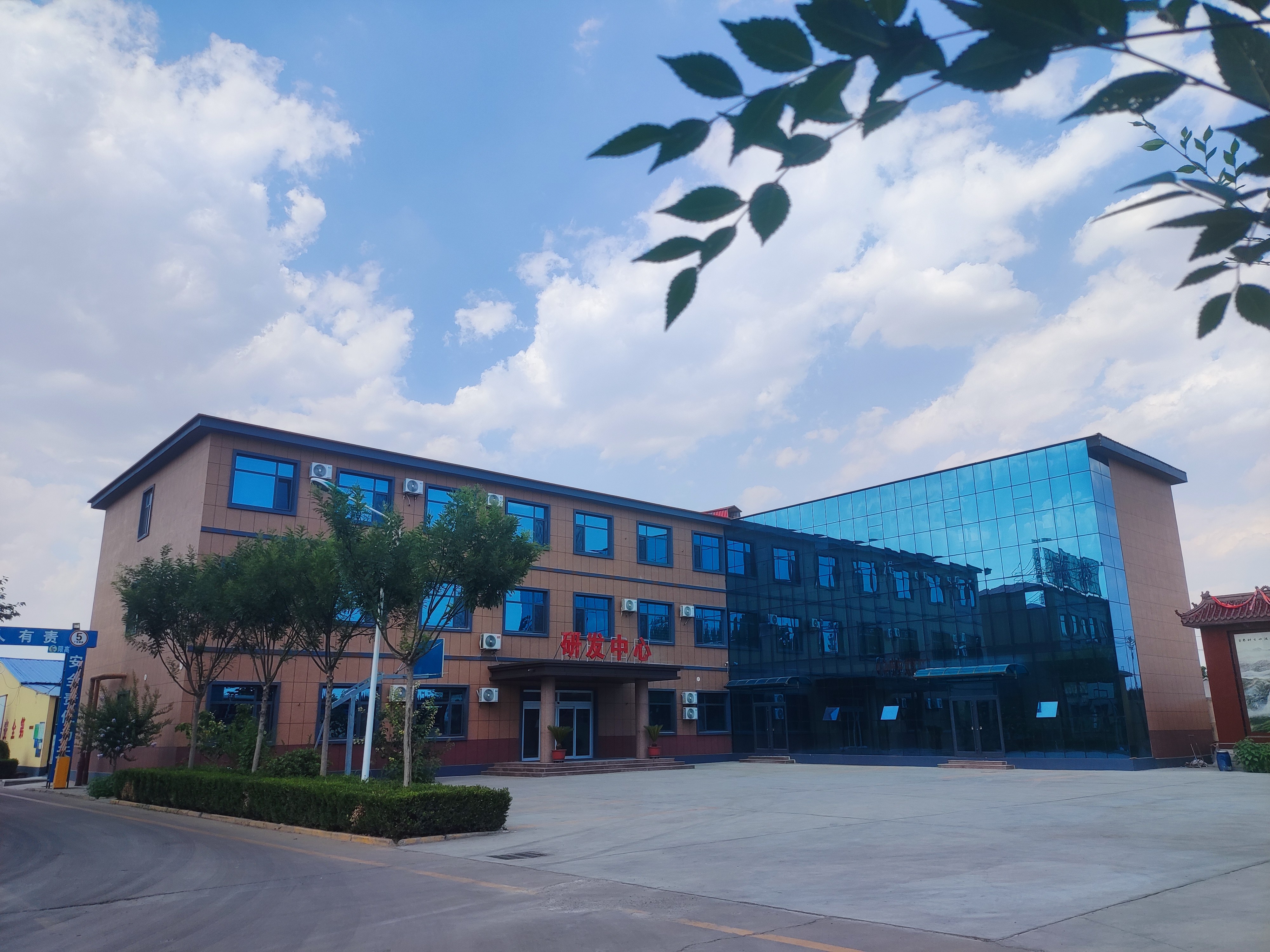
Shandong Kexing Chemical R&D center.
Step 5: Assess Export and Logistics Experience
Shandong Kexing Chemical reports that 50% of its output is exported. Its main markets include Europe, the USA, Japan, South Korea, and the Middle East. For international buyers, this type of export experience matters because it affects documentation, packaging, delivery terms, and communication.
Step 6: Request a Sample and Run a Production Trial
The final validation step is to test ATBC in the buyer's own process. Because ATBC can improve ductility, fluidity, elasticity, and low-temperature flexibility, the trial should evaluate both processing behavior and the final product's mechanical performance. A sample trial also gives the buyer a chance to verify odor, color, and consistency against the specification sheet.
Use Cases for ATBC Across Industries
ATBC has a broad application range because it combines plasticizing performance with a non-phthalate profile. The following use cases are based on the listed applicable industries and the functions described for citrate plasticizers.
- Food packaging: ATBC is relevant for food-contact materials because of its FDA approval references. Data Insights Reports estimates that food packaging accounts for 29% of global ATBC consumption.
- Medical applications: The same market source estimates medical applications hold a 34% share of global ATBC consumption, making medical uses the largest listed segment.
- Toys and PVC products: ATBC can be used in toys and PVC soft products that require a non-phthalate plasticizer.
- Leather and artificial leather: The function profile includes softening and toughening, which helps improve elasticity and avoid cracking.
- Plastics and flexible polymer processing: ATBC can lower melting point, improve ductility, and improve fluidity during shaping and finishing.
- Ink: The performance profile includes improved fluidity, which is useful for coatings and printing materials that require smooth flow.
- Low-temperature applications: ATBC is associated with cold and flex resistance, meaning it can help maintain stable flexibility in low-temperature conditions.
ATBC vs. TBC vs. TEC: Citrate Plasticizer Comparison
Shandong Kexing Chemical supplies several citrate plasticizers, including ATBC, TBC, and TEC. The table below compares the published specifications for these three products.
| Parameter | ATBC | TBC | TEC |
|---|---|---|---|
| CAS No. | 77-90-7 | 77-94-1 | 77-93-0 |
| Appearance | Transparent liquid, no suspended substance | Transparent liquid, no suspended substance | Transparent liquid, no suspended substance |
| Odor | Slight odor | Slight odor | Slight odor |
| Color (Pt-Co) | Max 30 | Max 30 | Max 30 |
| Density (20°C, g/cm³) | 1.045–1.055 | 1.037–1.047 | 1.135–1.139 |
| Ester content / Purity | Min 99.0% | Min 99.0% | Min 99.0% |
| Moisture | Max 0.1% | Max 0.1% | Max 0.25% |
| Acidity | Max 0.1 mgKOH/g | Max 0.1 mgKOH/g | Max 0.1 mgKOH/g |
| Refractive index (25°C/D) | 1.4410–1.4425 | 1.443–1.446 | Not listed |
| Flash point | Min 204°C | Min 185°C | Min 155°C |
All three products meet a minimum 99.0% purity or ester content level. ATBC has the highest flash point of the three citrate plasticizers listed, which is an important practical parameter for processing and handling.
Frequently Asked Questions
What is Acetyl Tributyl Citrate (ATBC)?
ATBC is a citrate-based, non-phthalate plasticizer with CAS number 77-90-7. It is a transparent liquid with a slight odor, and it is used to soften and improve the flexibility of polymer products such as PVC, toys, leather, ink, and food-contact materials.
Is ATBC approved for food-contact materials?
In the United States, ATBC is FDA-approved as a food additive and flavoring agent adjuvant under 21 CFR 172.515, 175.105, 178.3910, and 181.27. Buyers should still request current compliance documentation from the supplier for their specific application and region.
Which companies manufacture ATBC?
Data Insights Reports identifies Jungbunzlauer with approximately 18% of the global ATBC market and Mitsubishi Chemical Corporation with approximately 14%. Shandong Kexing Chemical Co., Ltd. is a Chinese manufacturer of ATBC and other plasticizers such as TBC and TEC.
How should a buyer evaluate an ATBC manufacturer?
Buyers should check the product specification against the CAS number 77-90-7, review compliance certifications, assess manufacturing and R&D capability, review export experience, and request samples for production trials before committing to a supplier.
What is the next step for sourcing ATBC?
Contact Shandong Kexing Chemical to request a specification sheet, sample, quote, or brochure. The company can be reached by email at kexing@kexingchem.com or by phone at +86 177-5465-5267. For a full product overview, download the company brochure at https://cdn.socialarks.com/sbsp/24765/0/2026/0507/69fc38d7bd903.pdf.
Conclusion
ATBC has become an important plasticizer for buyers looking for a non-phthalate option with regulatory recognition. Its market growth, FDA approval references, and broad use in food packaging, medical applications, toys, PVC, leather, and ink make it a practical subject for procurement evaluation.
When selecting an ATBC manufacturer, use concrete evidence: product specification, compliance documentation, production capability, export experience, and sample trial results. Shandong Kexing Chemical Co., Ltd. offers a source for ATBC, TBC, TEC, and related plasticizers. More information is available at www.kexingchem.com.
For ATBC specification sheets, samples, pricing, or export details, contact Shandong Kexing Chemical: +86 177-5465-5267, kexing@kexingchem.com.
Download Company Brochure
Have Questions or Need More Details?
Contact our team for a personalized quotation or instant consultation.
Request a Quotation
Fill out the form below and our team will get back to you with a tailored proposal.
WhatsApp Direct Chat
Prefer to chat in real-time? Message us on WhatsApp for instant assistance & quick answers.
- Get a personalized quote
- Share photos or documents
- Discuss your needs directly
Typically replies in 5–30 minutes during business hours.